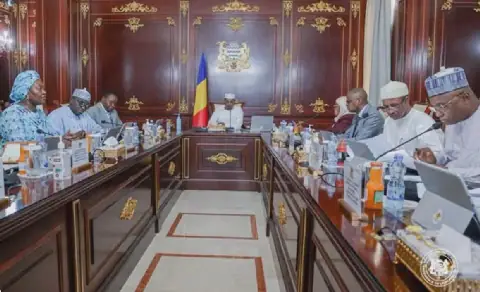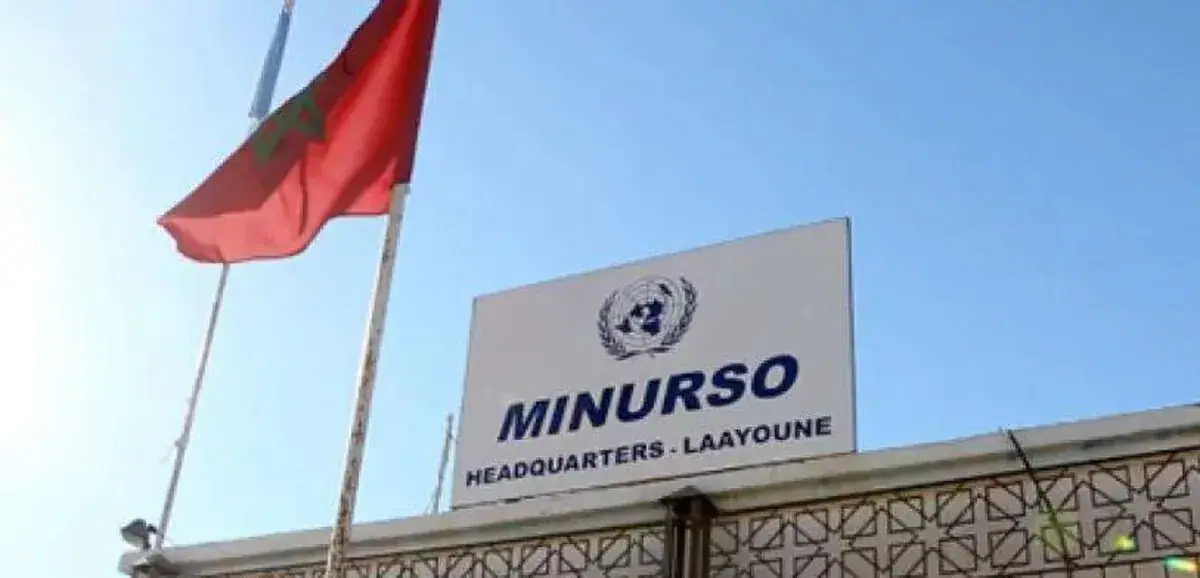
The Moroccan government has reaffirmed its commitment to respecting the ceasefire in Western Sahara, despite the end of the United Nations Mission for the Referendum in Western Sahara (MINURSO) mandate. According to a statement released by the Royal Palace on November 4, King Mohammed VI presided over a meeting where the decision was made to maintain the ceasefire. This move is presented as a voluntary choice, independent of the UN mission's presence.
The decision by the UN Security Council not to renew MINURSO's mandate has elicited mixed reactions. Morocco welcomed the decision, asserting that the mission had not achieved its objectives. In contrast, the Polisario Front expressed concerns, and Algeria voiced "deep regrets." The Polisario Front, supported by Algeria, advocates for the independence of Western Sahara, a territory that has been a disputed region for decades.
The Western Sahara conflict pits Morocco against the Polisario Front, with the former controlling most of the territory and the latter holding positions east of the Moroccan defense wall, approximately 2,700 kilometers long. Tensions escalated in 2020 following the Polisario Front's announcement of resumed hostilities after a Moroccan intervention in the Guerguerat buffer zone near the Mauritanian border.
Despite the end of MINURSO's mandate, Morocco aims to intensify its diplomatic efforts to gain recognition of its positions on Western Sahara. The Moroccan government seeks to have Western Sahara removed from the list of non-autonomous territories monitored by the UN decolonization committee. Moroccan Foreign Minister Nasser Bourita claims that Rabat has the support of two-thirds of UN member states.
The future of the conflict resolution process remains uncertain with the dissolution of the UN device responsible for monitoring the ceasefire. The situation on the ground is described as low-intensity clashes by the UN. Morocco's decision to maintain the ceasefire is seen as a move to reassure the international community about the security situation in Western Sahara.
The conflict in Western Sahara has been ongoing for decades, with the Polisario Front seeking independence and Morocco asserting its sovereignty. The international community, including the UN, has been involved in efforts to resolve the conflict, which has seen periods of relative calm punctuated by escalations. The end of MINURSO's mandate marks a new chapter in the conflict.
Morocco's commitment to the ceasefire and its diplomatic push are part of a broader strategy to solidify its position on Western Sahara. The country is working to garner international support for its stance, while the Polisario Front and its backers continue to advocate for a different solution to the conflict. The situation remains complex, with the involvement of multiple parties and interests.
Key points
- Morocco will maintain its ceasefire in Western Sahara despite the end of the MINURSO mandate.
- The decision has elicited mixed reactions from various parties involved.
- Morocco aims to intensify diplomatic efforts to gain recognition of its positions on Western Sahara.