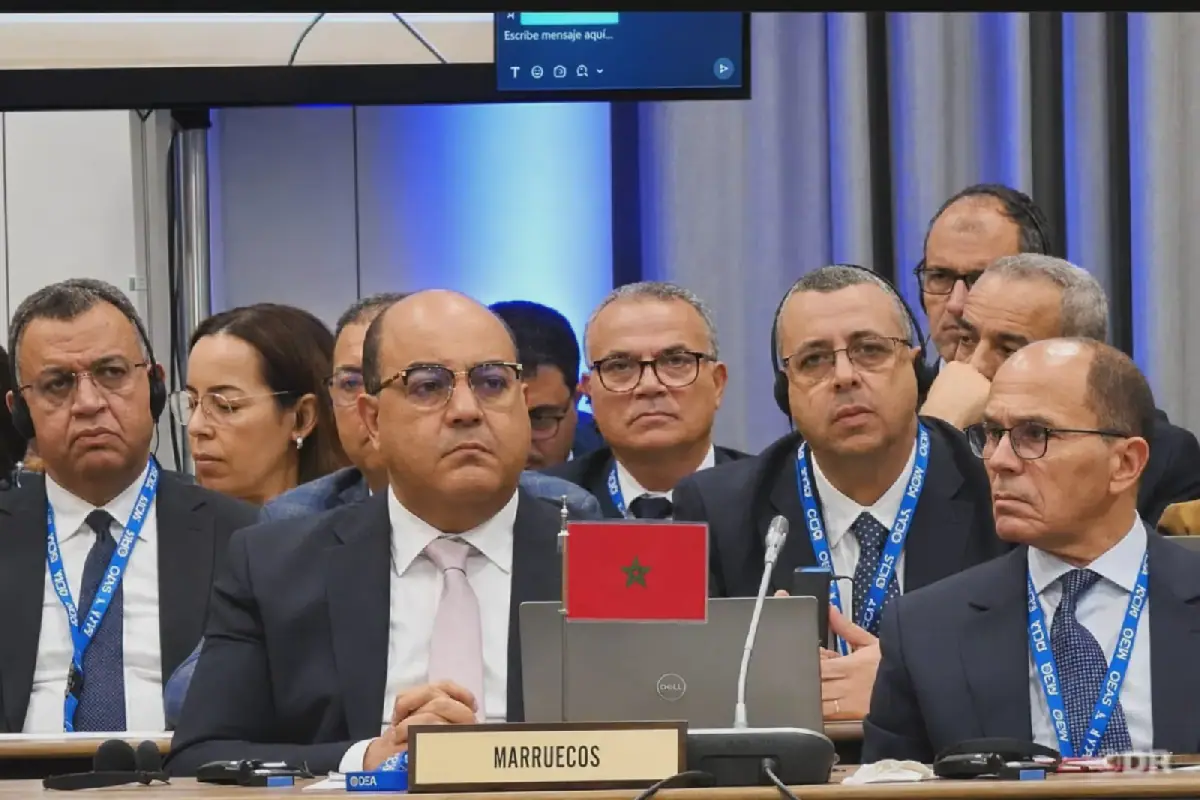
Morocco has reaffirmed its commitment to protecting marine resources and promoting sustainable fisheries at the 25th extraordinary meeting of the International Commission for the Conservation of Atlantic Tunas (ICCAT) in Vilamoura, southern Portugal. Minister Delegate in charge of Maritime Fisheries, Ahmed Mehdi Mezouari, emphasized Morocco's determination to preserve marine resources and develop a sustainable and inclusive blue economy. He stressed that sustainability is a direct responsibility toward fishers, coastal communities, and future generations, as well as a key requirement for food security.
Mezouari highlighted Morocco's efforts to protect marine resources, strengthen scientific monitoring, and combat illegal, unreported, and unregulated (IUU) fishing. He expressed Morocco's readiness to take difficult decisions when necessary to protect fish stocks, provided they are based on scientific evidence, respect principles of fairness, and receive collective support. The minister also called for stronger capacities to monitor and understand marine ecosystems, greater data sharing, expanded training opportunities, and improved scientific capabilities in developing countries.
Morocco's Minister Delegate in charge of Maritime Fisheries emphasized the importance of a fair allocation of fishing quotas that takes into account the rights of developing countries and the need to preserve fish stocks. He noted that these priorities have become increasingly important amid changes in marine ecosystems and the effects of climate change. Mezouari highlighted Morocco's commitment to South-South cooperation and support for its African partners, in line with King Mohammed VI's vision for the Atlantic.
Mezouari expressed Morocco's willingness to contribute to collective efforts to rebuild yellowfin tuna stocks, building on its commitment to preserving Atlantic bluefin tuna and bigeye tuna. He also called for consensus on a fair allocation of the total allowable catch (TAC), taking into account developing countries' right to expand their fisheries and support stable employment while meeting sustainability requirements. Regarding Mediterranean swordfish, Mezouari reiterated Morocco's support for developing a science-based approach to evaluating fisheries management strategies.
The minister stressed the need for a balanced and equitable distribution of fishing quotas, and that the same principles should guide efforts to combat illegal fishing. He emphasized the importance of protecting operators who comply with regulations from unfair competition by those who circumvent them. Mezouari also highlighted Morocco's continued efforts to preserve marine biodiversity through the protection of vulnerable species and stronger scientific monitoring.
Mezouari concluded his remarks by stating that the Moroccan delegation attended the ICCAT meeting with a "firm determination to achieve results" and help bridge differences while identifying practical solutions. He emphasized that the preservation of marine resources is a responsibility that falls on all nations. The minister's statement reflects Morocco's commitment to sustainable fisheries and its role in international efforts to protect marine resources.
The ICCAT meeting, held from November 16 to 23, brought together representatives from various countries to discuss the conservation of Atlantic tunas and other marine species. Morocco's participation in the meeting demonstrates its commitment to international cooperation on sustainable fisheries and marine conservation. The country's efforts to promote sustainable fisheries and protect marine resources align with its national priorities and its role as a responsible player in the global fishing industry.
Key points
- Morocco reaffirms commitment to sustainable fisheries at ICCAT meeting in Portugal.