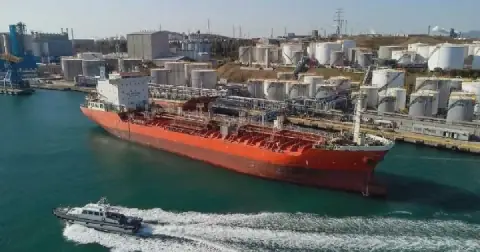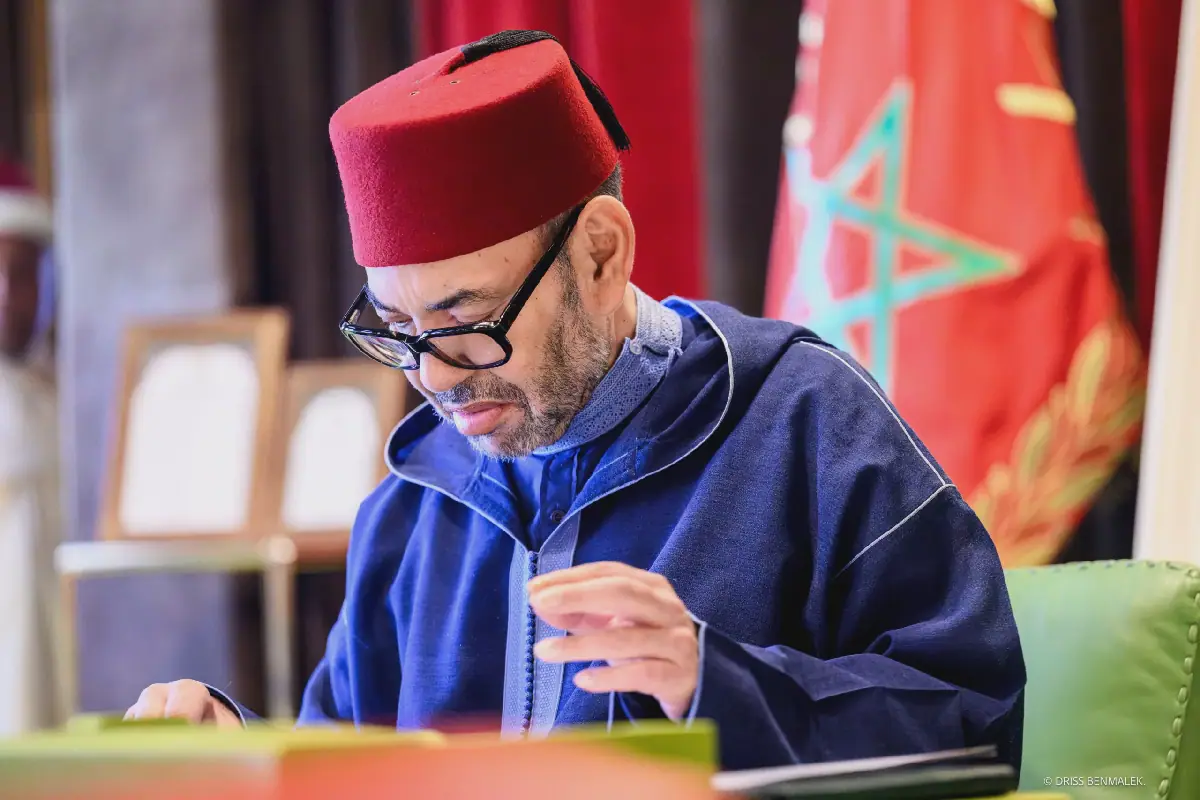
In a recent royal working session on October 28, 2026, King of Morocco emphasized the importance of the energy component of the Nador West Mediterranean project. This project includes the operation of a fuel storage facility with a potential capacity of 4 million cubic meters and a liquefied natural gas (LNG) processing plant capable of handling up to 5 billion cubic meters annually. The project had previously been suspended.
The reaffirmation of the project's energy component comes after the Moroccan Ministry of Energy Transition suspended a call for tenders for the construction of the LNG plant and pipelines in Nador West Mediterranean in February 2026. The ministry cited new data and assumptions as the reason for the suspension. This move highlights Morocco's efforts to secure its energy supplies, particularly after Algeria halted gas supplies through the Maghreb-Europe pipeline in 2021.
Since 2021, Morocco has relied on the reverse flow of gas from Spain through the same pipeline to meet part of its electricity and industrial needs. The development of an independent LNG terminal would enable Morocco to receive LNG directly from multiple global markets, reprocess it, and inject it locally. This would reduce dependence on Spanish reprocessing facilities and expand supply and storage options for the country.
The importance of this project was further underscored in August 2026, following a migration crisis in Ceuta in late July. Reports from Spanish media, including RTVE, indicated that the Spanish government had studied Morocco's reliance on Spanish energy infrastructure. This reliance was examined to determine potential options in the event of a repeat of a similar migration crisis.
Although the Spanish Ministry of Foreign Affairs denied any plans to use this dependence as leverage, the reliance on foreign infrastructure for gas reprocessing remains a structural weakness. This weakness can be exploited during periods of tension, highlighting the need for Morocco to strengthen its energy sovereignty. The recent royal affirmation emphasizes the priority of reducing this vulnerability.
The Nador West Mediterranean project, when completed, will provide Morocco with greater flexibility in securing its electricity and industrial supplies without being forced to use specific external facilities. The project is seen as a tool to enhance energy sovereignty and reduce external dependencies. However, no new detailed timeline for the project's implementation was announced.
The project aligns with Morocco's broader strategy to enhance its energy security and reduce its reliance on external energy infrastructure. By developing its own LNG processing capabilities, Morocco aims to increase its control over its energy supplies and mitigate potential risks associated with relying on neighboring countries' infrastructure.
Key points
- The project includes a fuel storage facility with a potential capacity of 4 million cubic meters and a liquefied natural gas (LNG) processing plant capable of handling up to 5 billion cubic meters annually.
- Morocco's reliance on Spanish energy infrastructure has been a point of concern, particularly following a migration crisis in Ceuta in late July 2026.
- The Nador West Mediterranean project aims to enhance Morocco's energy sovereignty and reduce its external dependencies.