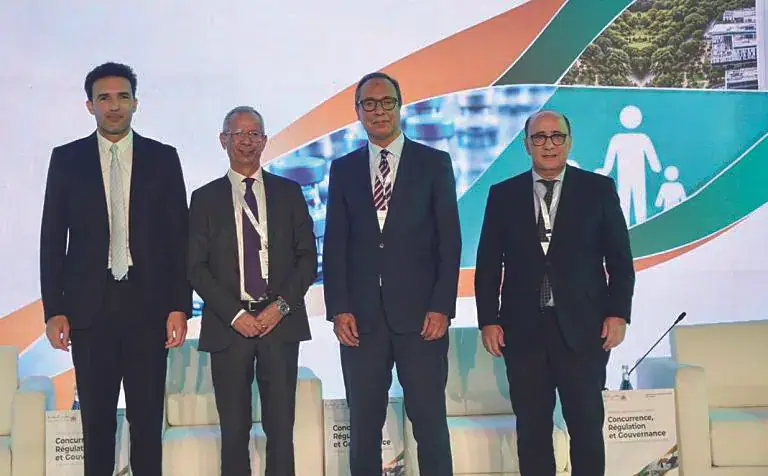
Morocco's healthcare landscape is on the cusp of a significant transformation with the integration of telemedicine, aiming to bridge the gap in healthcare access across the country. A recent conference organized by the Conseil de la concurrence in Marrakech highlighted the need for the recognition of telemedicine acts by health insurance organizations. This move is crucial for enhancing healthcare accessibility, particularly in isolated and rural areas. The conference, themed "Healthcare Policy in Morocco: Competition, Regulation, and Governance in the Era of Universal Social Coverage," brought to the fore the challenges and opportunities in the sector.
The push for telemedicine is part of Morocco's broader strategy to achieve universal healthcare coverage, a key component of the country's Royal Project for the generalization of social protection. Ahmed Rahhou, former President of the Conseil de la concurrence and now Minister of Artificial Intelligence, emphasized that expanding healthcare coverage could exacerbate inequalities if not accompanied by balanced development of infrastructure, equipment, and human resources. The current disparity in healthcare access between urban and rural areas is a pressing concern, with rural zones often lacking sufficient medical infrastructure and professionals.
Telemedicine, supported by artificial intelligence and robotics, is seen as a vital tool in reducing territorial disparities in healthcare. It enables access to specialized medical skills, particularly for populations in remote areas. This approach is expected to benefit vulnerable groups, including women, children, and patients with mobility issues or those requiring regular medical follow-ups. Rahhou advocates for the development of telemedicine centers in remote regions, facilitating connections between local healthcare professionals and distant specialists.
For telemedicine to be effective, a structured legal framework and financial support are essential. The legal framework is currently being finalized, with laws such as Loi-cadre 06.22 and the project of law 052.26 related to the National Integrated Health Information System. Specific regulations, including the decree 2-18-378 on telemedicine, define the acts and conditions of practice. However, despite this regulatory framework, telemedicine faces a significant obstacle: the lack of reimbursement by health insurance organizations for telemedical acts.
The absence of reimbursement for telemedical services hinders the widespread adoption of telemedicine. Professionals in the sector argue that without financial coverage, the potential of telemedicine remains untapped. The conference underscored the need for the government and insurance organizations to support telemedicine financially, ensuring that it becomes a viable and accessible option for all.
Interoperability of information systems among different healthcare providers is another critical factor for the success of telemedicine. This interoperability would allow for seamless access to patient medical histories, facilitating informed decision-making and personalized treatment plans. It also enriches databases for clinical research and epidemiological studies, contributing to better disease understanding and innovative treatment development.
As Morocco moves forward with integrating telemedicine into its healthcare system, addressing the challenges of legal recognition, financial reimbursement, and technological infrastructure will be crucial. The goal is to ensure that telemedicine becomes an integral part of the country's healthcare strategy, enhancing access to quality medical care for all Moroccans, regardless of their geographical location.
Key points
- Telemedicine is expected to significantly improve healthcare access in rural and isolated areas of Morocco.
- A structured legal framework and financial support from health insurance organizations are crucial for the success of telemedicine.
- Interoperability of information systems among healthcare providers is essential for effective telemedicine practice.