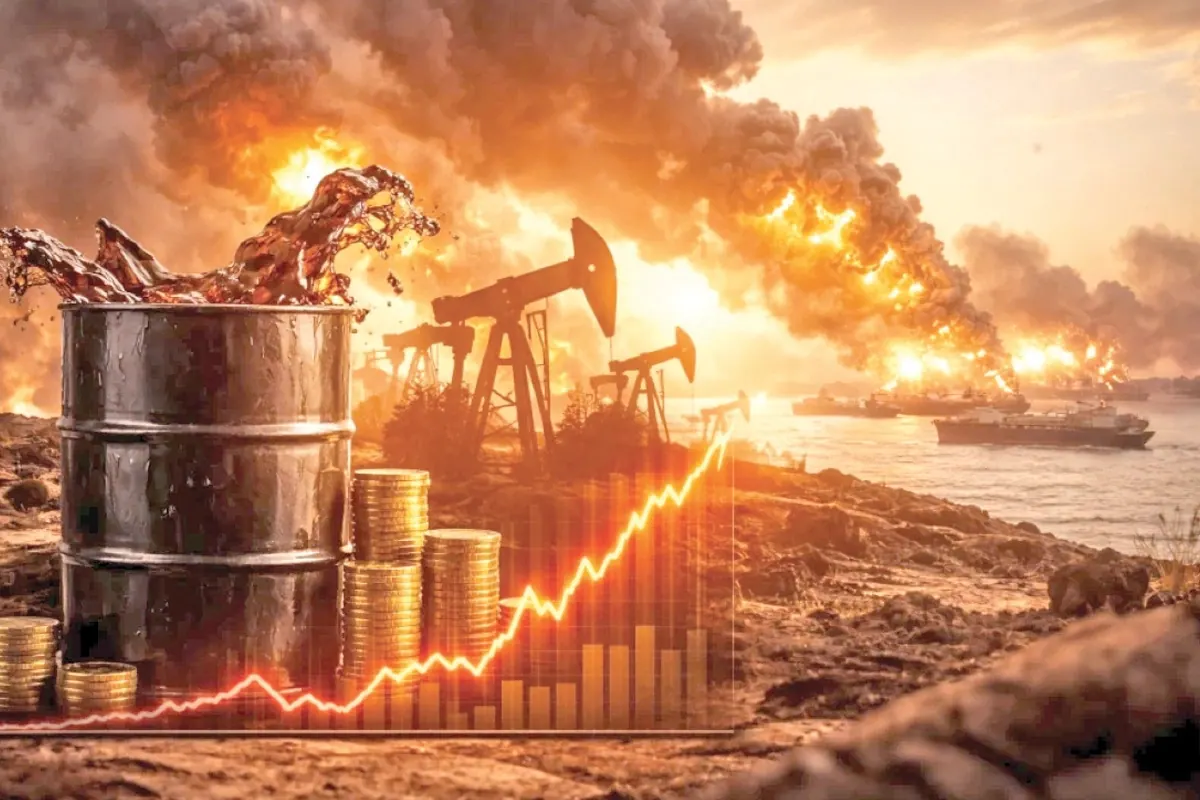
The global energy landscape is undergoing a significant transformation, with countries competing fiercely for access to energy resources. Morocco is no exception, as it seeks to secure its energy future and meet the demands of its growing economy. The country's strategic location makes it an important player in the global energy market, with plans to become a major hub for energy production and trade.
Morocco is embarking on several strategic energy projects, including the Nigeria-Morocco Atlantic gas pipeline, which is expected to provide a new energy corridor to Europe. The pipeline project has already reached important institutional milestones, with all concerned countries committed to accelerating its implementation. This project is seen as a game-changer for Morocco's energy sector, providing a new source of energy and boosting the country's economic growth.
In addition to the pipeline project, Morocco is also investing in renewable energy, particularly solar power, to reduce its dependence on fossil fuels and mitigate the impact of climate change. The country aims to increase its renewable energy capacity, with a focus on solar and wind power, to meet its energy demands and reduce its carbon footprint. This move is part of Morocco's efforts to transition to a more sustainable and environmentally friendly energy mix.
The energy sector is a top priority for the Moroccan government, which is working to implement the king's directives on energy security and find solutions to stabilize energy prices. The government is also seeking to expand and diversify its international partnerships to ensure a stable energy supply and invest in economic and energy diplomacy. This approach is based on a win-win strategy, which aims to benefit all parties involved.
Energy has become a critical component of national security, sovereignty, and stability, and Morocco is no exception. The country's energy strategy is focused on diversifying its energy sources, accelerating renewable energy projects, and strengthening its storage capacity to ensure a stable energy supply. This approach is designed to meet the country's growing energy demands and protect its economy from the impact of global energy fluctuations.
The global energy market is becoming increasingly competitive, and countries that can secure their energy needs and assert their independence in this sector will be better positioned to protect their economies and continue their development trajectories. Morocco is well aware of these challenges and is working to strengthen its energy sector, with a focus on securing its energy future and promoting sustainable economic growth.
The Moroccan government is committed to ensuring a stable energy supply and promoting sustainable economic growth. The country's energy strategy is designed to meet its growing energy demands, reduce its dependence on fossil fuels, and mitigate the impact of climate change. With its strategic location and commitment to renewable energy, Morocco is poised to become a major player in the global energy market.
Key points
- Morocco is investing in renewable energy, particularly solar power, to reduce its dependence on fossil fuels and mitigate the impact of climate change.
- The Nigeria-Morocco Atlantic gas pipeline project is expected to provide a new energy corridor to Europe and boost Morocco's economic growth.
- Morocco's energy strategy is focused on diversifying its energy sources, accelerating renewable energy projects, and strengthening its storage capacity to ensure a stable energy supply.