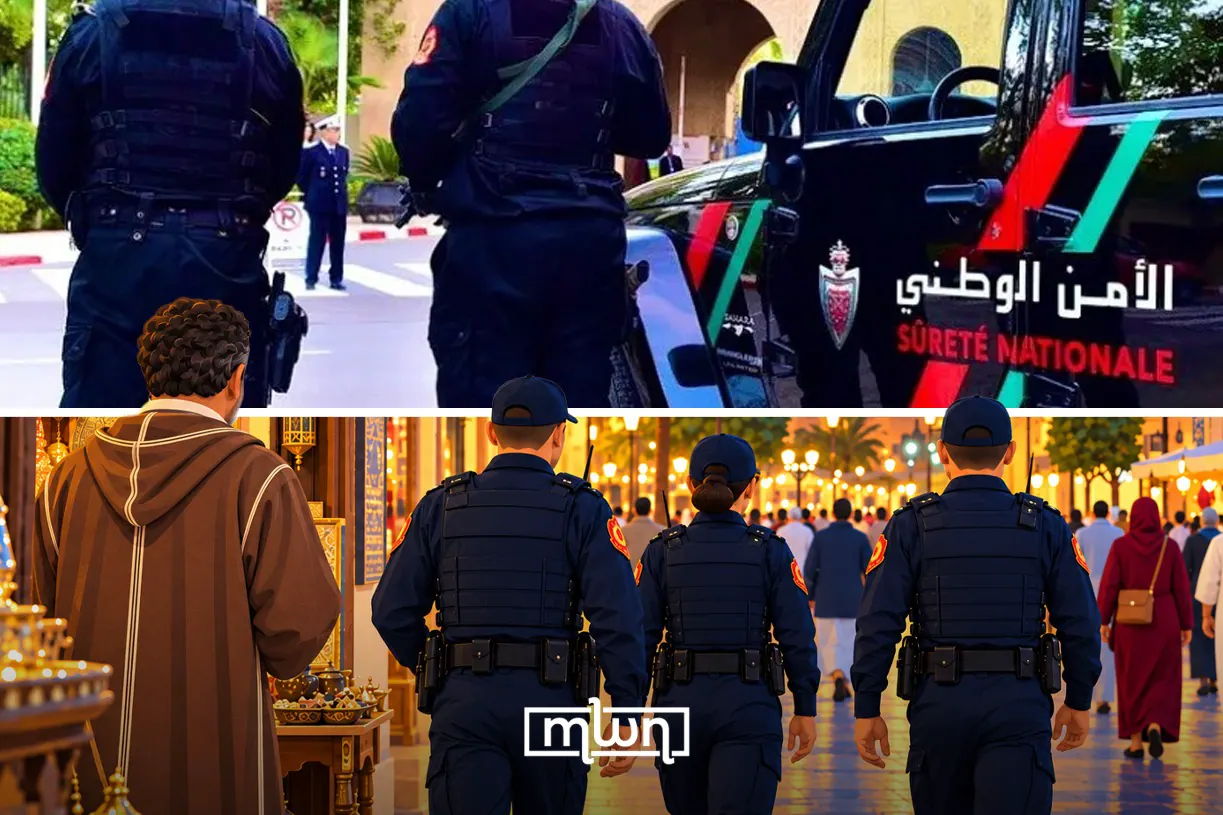
As Morocco, along with Spain and Portugal, prepares to host the 2030 World Cup, the country's authorities are emphasizing the need for effective crime prevention strategies. The 15th United Nations Congress on Crime Prevention and Criminal Justice, taking place in Abu Dhabi from September 26 to October 1, has highlighted the importance of anticipation, cooperation, and responsible technology in maintaining security. With around 5,000 participants from over 97 countries attending the Congress, Morocco is taking a timely look at its own security measures.
Major events like the World Cup pose significant security challenges, including the risk of fraud, theft, cybercrime, and organized exploitation. The Moroccan police force is working to adopt a control-room mindset, focusing on identifying potential risks and verifying information before taking action. This approach involves connecting transport, venue security, emergency services, and law enforcement through predefined escalation pathways. By doing so, Morocco aims to create a safer and more welcoming environment for visitors.
The use of artificial intelligence and smart security measures can help identify anomalies and potential threats, but human review and legal thresholds must remain in place to ensure accountability and proportionality. Morocco's challenge is to strike a balance between smart security and human-centered hospitality, combining technology with institutional design to protect visitors' rights. The country's authorities are working to create a robust security model that will not disrupt the experience of visitors.
The international dimension of the 2030 World Cup is also crucial, as threat information may emerge in one country and require action in another. Morocco, Spain, and Portugal must develop coordination arrangements to share information and respond to potential threats. Scenario exercises are being conducted to test these arrangements, including questions about interpreting alerts, owning threats, and verifying information.
The Abu Dhabi Congress has provided a useful international framework for Morocco to develop its own local operating doctrine. By 2030, Morocco aims to have a system in place that includes early warning, shared situational awareness, disciplined escalation, cross-border coordination, and clear authority boundaries for technology. A successful World Cup security model will be measured by how effectively risk is managed without disrupting the visitor experience.
Prevention works best when the public barely notices it, which is why the architecture behind Morocco's security measures must be designed with extraordinary care. The country's authorities are working to translate the international framework into a local operating doctrine that will ensure a safe and enjoyable experience for visitors. This includes testing coordination arrangements and scenario exercises to prepare for potential threats.
As Morocco prepares for the 2030 World Cup, the country's focus on crime prevention and security is becoming increasingly important. With a strong security model in place, Morocco aims to create a welcoming and safe environment for visitors, while also showcasing its ability to host a major international event. The country's authorities are working to ensure that the 2030 World Cup is a success, both on and off the field.
Key points
- Morocco is focusing on crime prevention and security ahead of the 2030 World Cup.
- The country is adopting a control-room mindset to identify potential risks and verify information.
- Morocco aims to strike a balance between smart security and human-centered hospitality.