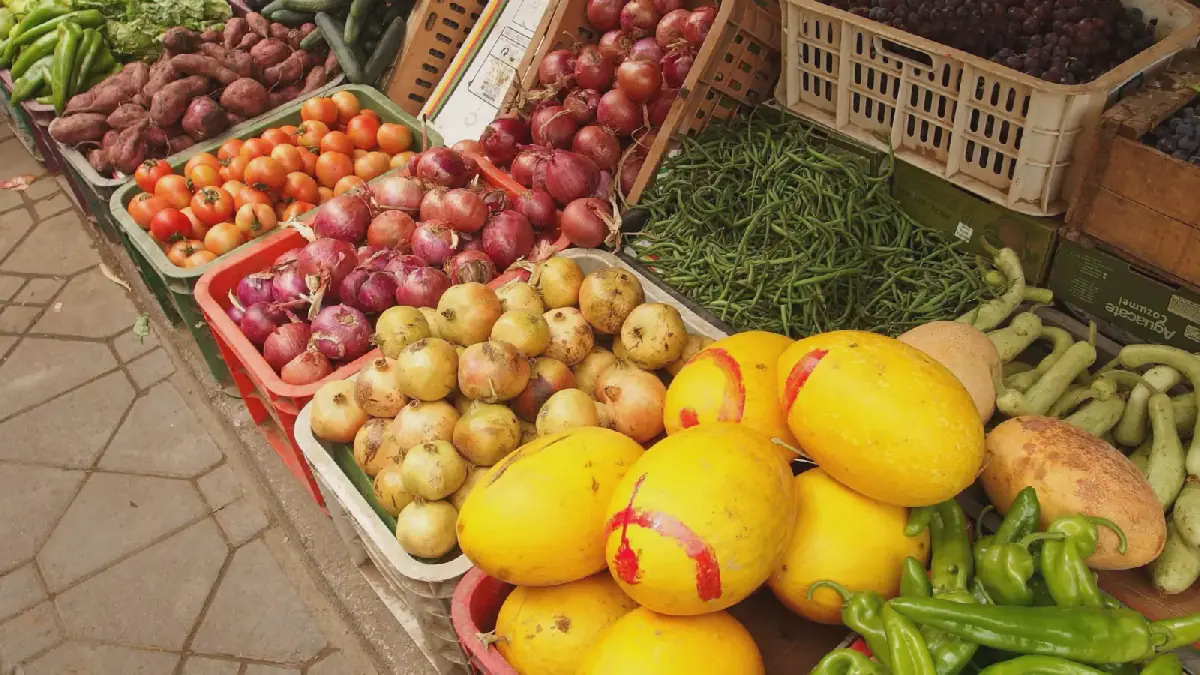
Morocco's government plans to implement measures to regulate food exports and reform the marketing and distribution of agricultural products. This move aims to ensure sufficient supplies reach the domestic market at affordable prices. Economy and Finance Minister Fouzi Lekjaa stated that tackling high food prices requires several measures, including better control of exports and improvements to the distribution of meat and fish.
The minister argued that Morocco cannot continue increasing food exports while domestic prices remain high, particularly after seven consecutive years of drought. Prolonged drought has affected agricultural production and water availability in the country. Lekjaa stressed the need to organize and regulate exports in coordination with producers to ensure local consumers have access to essential food products.
The proposed approach does not mean returning to the previous export regulation model managed by the former Office of Marketing and Exports. Lekjaa clarified that the reforms would not undermine private businesses but would instead involve different stakeholders in managing the process. The government aims to improve food supply chains, reduce distribution costs, and protect consumers from further price increases.
Lekjaa also addressed the modernization of wholesale markets, stating that 12 markets across the country need upgrading to improve competition and give traders more flexibility. He added that the government has already prepared a plan for managing these markets and is ready to discuss it with parliamentarians.
The minister explained that the government’s proposal would involve the state guaranteeing connections between production and consumption areas rather than directly purchasing and selling agricultural products. Regional companies would help connect production areas with markets, reducing the distance between producers and consumers and potentially lowering distribution costs.
Lekjaa emphasized that the different reforms must be implemented together to be effective. He warned that introducing only some measures could concentrate intermediaries in one part of the supply chain instead of addressing the problem. The government remains open to proposals from parliamentarians on how to organize this system.
Morocco has faced persistent pressure on food prices in recent years, relying on food imports to meet domestic demand for several essential products. The proposed reforms aim to maintain the role of private businesses in the agricultural sector while protecting consumers from further price increases.
Key points
- The government plans to regulate food exports and reform agricultural product marketing to control prices.
- The reforms aim to improve food supply chains, reduce distribution costs, and protect consumers.
- The government will involve different stakeholders in managing the process, ensuring that private businesses are not undermined.