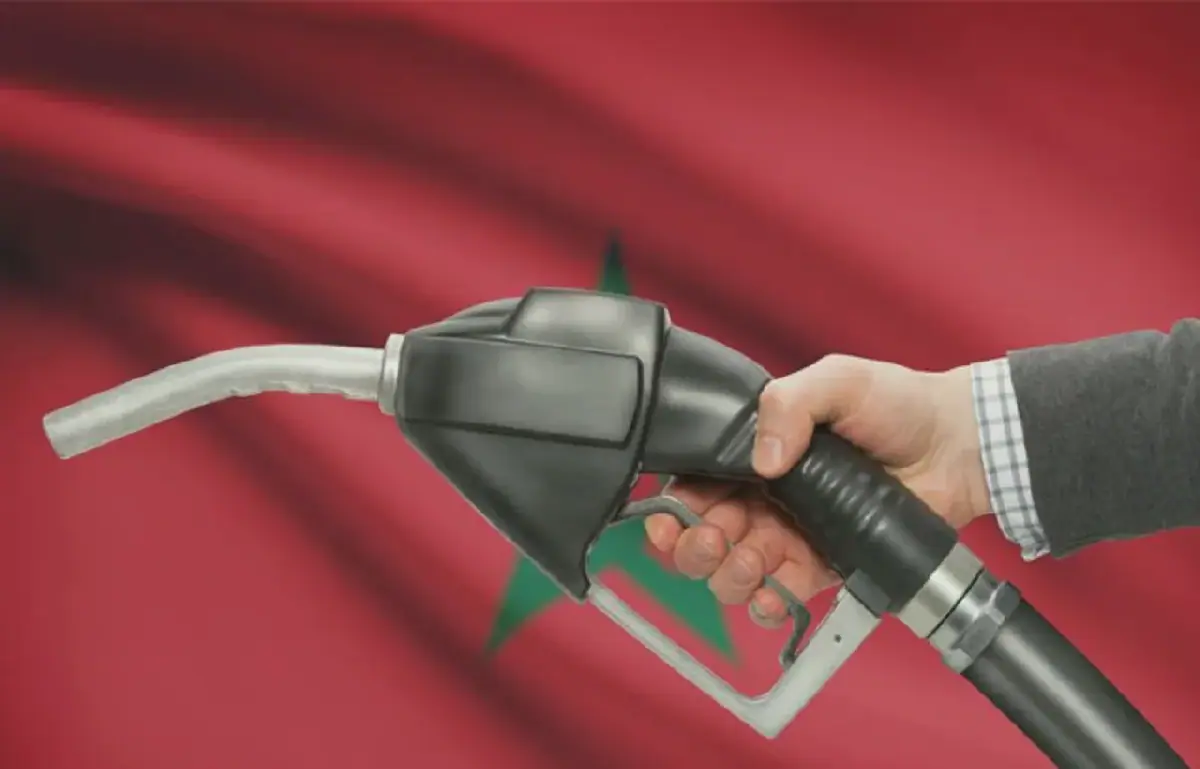
The Moroccan government's plan to raise the tax on fuel companies' profits exceeding $100 million to 40% from 35% has sparked a heated debate. The proposal, part of the 2027 finance bill, aims to increase the contribution of large companies to public finances. The government argues that the move is necessary to fund social and development projects. However, representatives of the companies have expressed concerns about the potential impact on investment and the economy.
The General Confederation of Moroccan Enterprises (CGEM) has warned that the tax increase could have negative consequences on the economy. According to CGEM, the profit margin of fuel companies is only around 3%, which could be affected by the tax hike. The confederation argues that the tax increase could lead to higher prices for consumers and reduced investment in the sector. The government, however, maintains that the tax increase will only affect companies with profits exceeding $100 million.
The debate highlights the challenges of balancing the need for public revenue with the need to attract investment. The government argues that the tax increase is necessary to fund social and development projects, while the companies argue that it could lead to reduced investment and higher prices. The tax increase is part of a broader effort to increase the contribution of large companies to public finances. The government has stated that the move is not aimed at all companies, but rather at large corporations with significant profits.
Economists have weighed in on the debate, arguing that the tax increase should be based on the companies' overall financial capacity, rather than just their profit margins. They argue that the companies' overall financial situation, including their investments and activities, should be taken into account when evaluating their tax contribution. This approach would ensure that the tax increase is fair and does not unduly burden the companies.
The government has also addressed concerns about the potential impact on prices. It argues that the tax increase will not directly affect fuel prices, as it is imposed on net profits rather than sales. However, economists have noted that the companies may pass on the increased tax burden to consumers through higher prices. The government has emphasized the need for monitoring and competition to prevent unjustified price increases.
The tax increase is part of a broader effort to increase the contribution of large companies to public finances. The government has stated that it aims to promote fairness and transparency in the tax system. The move is also aimed at promoting social and economic development, while ensuring that large corporations contribute to the funding of public services and infrastructure.
Economists have welcomed the government's efforts to promote fairness and transparency in the tax system. They argue that the tax increase is a step in the right direction, but that it should be implemented in a way that takes into account the companies' overall financial capacity and does not unduly burden them. The goal is to strike a balance between promoting investment and ensuring that large corporations contribute to public finances.
Key points
- The Moroccan government plans to raise the tax on fuel companies' profits exceeding $100 million to 40% from 35% as part of its efforts to increase public revenue.