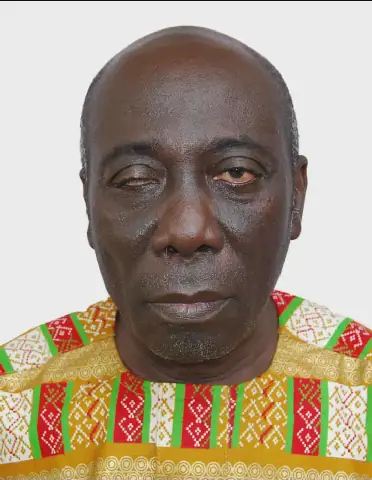
In a significant development, Morocco has appointed its first female Prime Minister, Fatima Zahra Mansouri. This move is being hailed as a major milestone in the country's political history. The appointment was made following the parliamentary elections held on September 23, 2026, in which the party led by Mansouri emerged as the largest party. The King's decision to appoint her as Prime Minister is seen as a demonstration of the country's commitment to democratic principles and the empowerment of women in politics.
The appointment of Mansouri as Prime Minister is a culmination of a process that began with the parliamentary elections. The elections saw a significant turnout of women candidates, with 17 women winning seats in the parliament through direct competition in local constituencies. This is in addition to the 90 seats reserved for women in regional constituencies, bringing the total number of female parliamentarians to 107. This development is being seen as a major breakthrough for women's participation in Moroccan politics.
Mansouri's appointment is also being viewed as a testament to the country's commitment to its constitution and democratic principles. The constitution, adopted in 2011, provides for the empowerment of women and their participation in politics. The King's decision to appoint Mansouri as Prime Minister is seen as a demonstration of his commitment to upholding the constitution and promoting democratic values.
The appointment of Mansouri has been welcomed by many as a positive development for Morocco. It is seen as a reflection of the country's progress in promoting women's rights and empowerment. The move is also expected to inspire more women to participate in politics and take on leadership roles.
One of the notable aspects of Mansouri's appointment is that it was not a result of a quota system or a symbolic appointment. Rather, it was a result of her party's performance in the elections, which earned her the right to be appointed as Prime Minister. This is being seen as a demonstration of the country's commitment to merit-based appointments and the empowerment of women through democratic means.
The appointment of Mansouri has also drawn attention to the role of women in Moroccan politics. One notable example is Madiha Khair, a young and dynamic politician who won a seat in the parliament through direct competition in a local constituency. Khair's victory is being seen as a reflection of the changing dynamics of Moroccan politics, where women are increasingly taking on leadership roles.
The developments in Morocco are being closely watched by observers and analysts. The country's progress in promoting democratic values and women's empowerment is seen as a positive trend in the region. As Morocco continues to evolve and grow, the appointment of Mansouri as Prime Minister is likely to have a lasting impact on the country's politics and society.
Key points
- Morocco appoints its first female Prime Minister, Fatima Zahra Mansouri, marking a significant milestone in the country's political history.