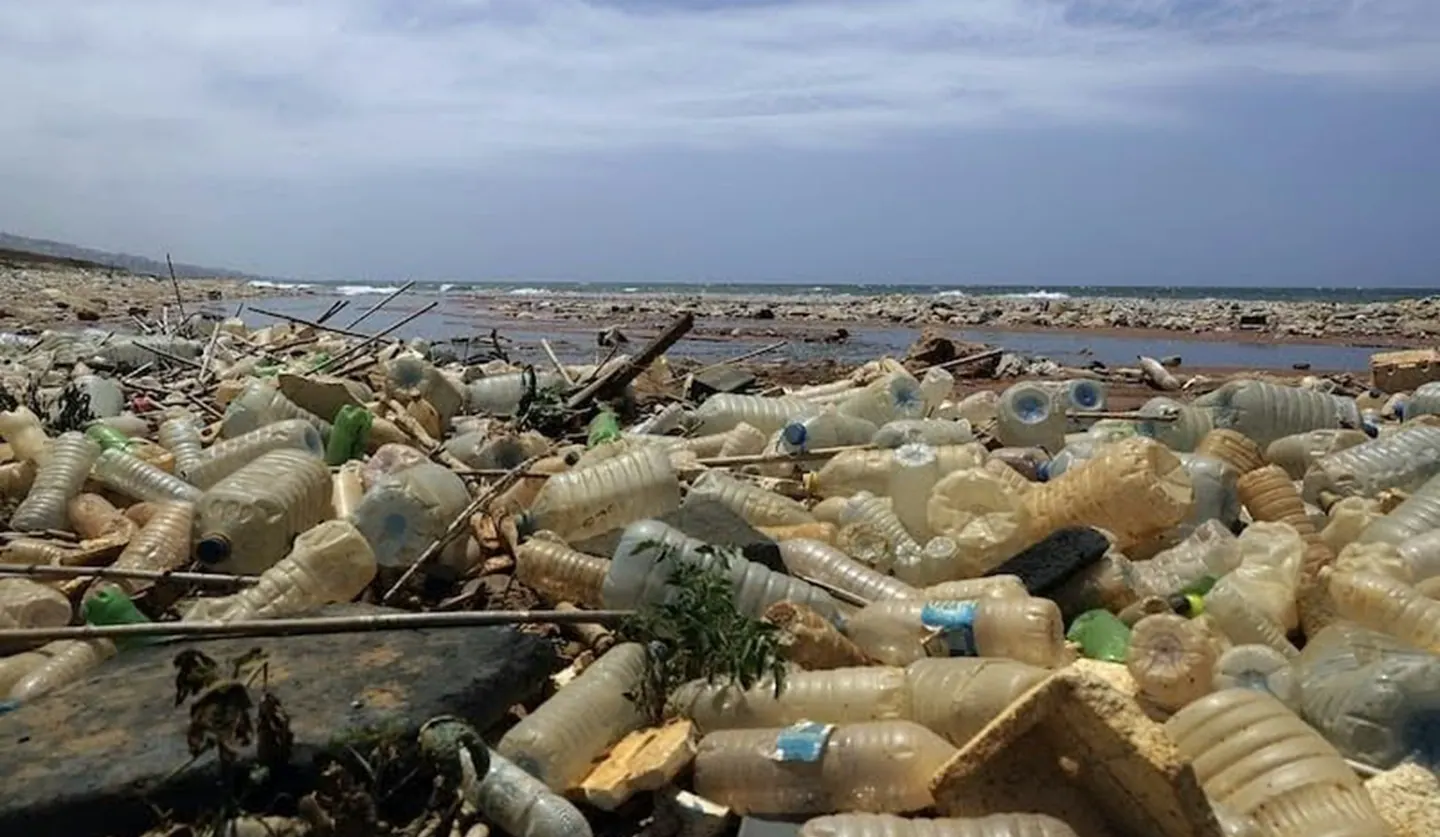
Plastic pollution has become a significant environmental and financial burden on Morocco, with the country losing around $1.2 billion, or 12 billion dirhams, every year due to the damage caused by plastic waste to its marine ecosystems along the Mediterranean coast. This amount represents about 0.8% of Morocco's Gross Domestic Product. The estimate does not include the damage caused to the Atlantic coast or the direct losses incurred by various sectors such as tourism, fishing, and other economic activities.
According to a recent report by Greenpeace Middle East and North Africa, Morocco generates approximately 422,000 tons of plastic waste annually. Out of this amount, around 250,000 tons are managed improperly, while about 75,000 tons end up in the sea. The issue is not just with the quantity of plastic produced but also with the collection of waste, which varies significantly between urban and rural areas. In 2019, waste collection in urban areas reached 96%, compared to only 10% in rural areas.
The report also highlighted that Morocco's recycling efforts are far from the set targets. Out of 26 planned sorting centers, only nine have been completed, and only three are currently operational. Greenpeace warned that the cumulative losses to Morocco's marine ecosystems in the Mediterranean are expected to reach around $22 billion between 2026 and 2040 if the situation is not addressed.
Greenpeace has proposed several recommendations to mitigate the issue of plastic pollution in Morocco. These include improving waste collection in rural areas, activating existing sorting centers, making producers responsible for all packaging, supporting informal waste collectors, and adopting a global treaty aimed at reducing plastic production.
The environmental impact of plastic pollution in Morocco is significant, with a large amount of plastic waste ending up in the country's marine ecosystems. This not only affects the environment but also has economic implications for sectors such as tourism and fishing. The Moroccan government faces a significant challenge in addressing this issue and implementing effective solutions to reduce plastic waste.
The problem of plastic pollution in Morocco requires a multi-faceted approach that involves the government, producers, and the general public. It is essential to raise awareness about the issue and promote practices that reduce plastic waste. The implementation of policies and regulations to manage plastic waste effectively is also crucial.
Morocco has taken steps to address the issue of plastic pollution, but more needs to be done to mitigate its effects. The country's efforts to improve waste collection and recycling, as well as to promote sustainable practices, are essential in reducing the environmental and financial impacts of plastic pollution.
Key points
- Morocco loses approximately $1.2 billion annually due to plastic pollution.
- The country generates around 422,000 tons of plastic waste every year.
- Greenpeace has proposed several recommendations to address the issue of plastic pollution in Morocco.