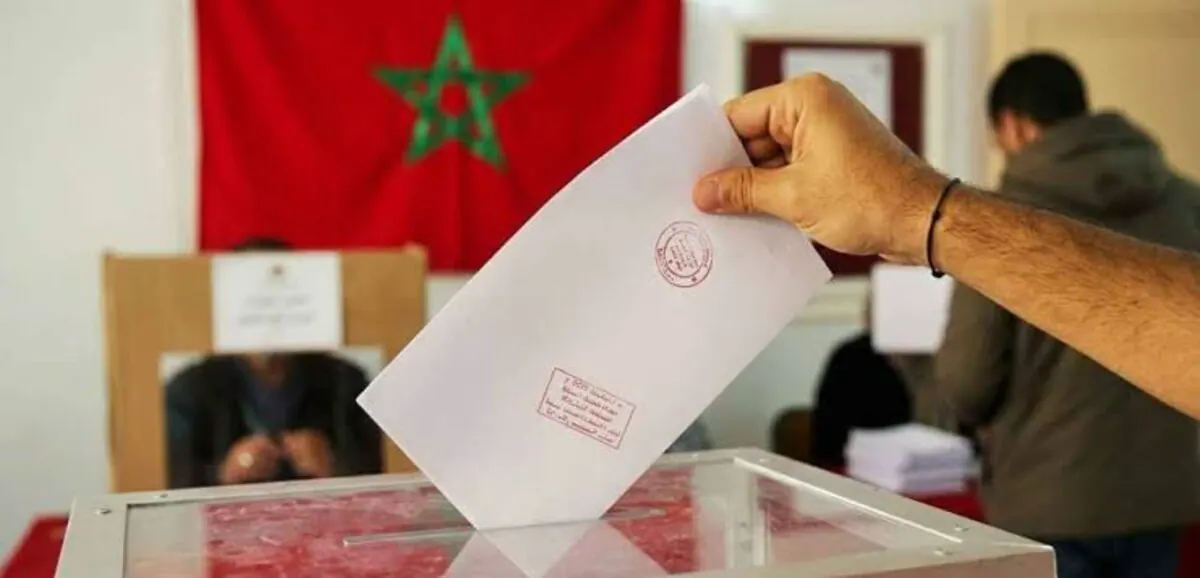
The recent legislative elections in Morocco have resulted in the Parti Authenticité et Modernité (PAM) taking the lead with 97 seats out of 395, according to provisional results announced on Thursday. The PAM, a member of the outgoing government coalition, has emerged as the largest party. However, the elections were marked by a historically low voter turnout of 38.08%, the lowest in nearly 20 years. This low turnout reflects growing disillusionment among Moroccans with the political class.
The PAM has secured the most seats, but still needs to form a coalition to establish a stable government. The Rassemblement National des Indépendants (RNI), led by outgoing Prime Minister Aziz Akhannouch, secured 66 seats, while the Istiqlal party, another member of the outgoing coalition, obtained 65 seats. The Parti de la Justice et du Développement (PJD), an Islamist party in the opposition, made significant gains with 54 seats, up from just 13 in the 2021 elections.
The low voter turnout has been attributed to widespread disillusionment among Moroccans, particularly the youth, with the current political climate. Many citizens are concerned about issues such as unemployment, purchasing power, and inequality. The elections took place against the backdrop of a recent migration crisis in Ceuta, which highlighted the difficulties faced by many young Moroccans in envisioning their future.
The new Prime Minister will be appointed by King Mohammed VI and tasked with forming a coalition government that will serve for the next five years. According to reports, Fatima Ezzahra Mansouri, Minister of Territorial Planning and Mayor of Marrakech, is being considered as a potential candidate for the position of Prime Minister. The PAM has promised to deliver an average annual growth rate of 5%, create at least one million jobs, and maintain inflation at 2%.
The PAM's victory could potentially pave the way for its leader to become the next Prime Minister. Aziz Akhannouch, who has stepped down as leader of the RNI, has defended his government's record, despite criticism and allegations of conflicts of interest related to his group's activities in the hydrocarbons sector. The RNI and Istiqlal parties will likely play a significant role in the negotiations to form a new government.
Morocco is set to embark on a period of coalition negotiations and government formation. The King will play a crucial role in appointing the new Prime Minister and shaping the country's future. With the PAM emerging as the largest party, it is likely to be a key player in the negotiations. However, forming a stable government will require compromise and collaboration among the various parties.
The implications of the election results will be closely watched, both domestically and internationally. Morocco is set to host the 2030 World Cup, and the country's stability and economic growth will be critical in ensuring the success of this major event. The new government will face significant challenges in addressing the country's economic and social issues, but the PAM's victory provides a starting point for negotiations and coalition-building.
Key points
- The PAM has emerged as the largest party in Morocco's legislative elections, securing 97 seats out of 395.
- The elections recorded a historically low voter turnout of 38.08%, the lowest in nearly 20 years.
- The new Prime Minister will be appointed by King Mohammed VI and tasked with forming a coalition government.