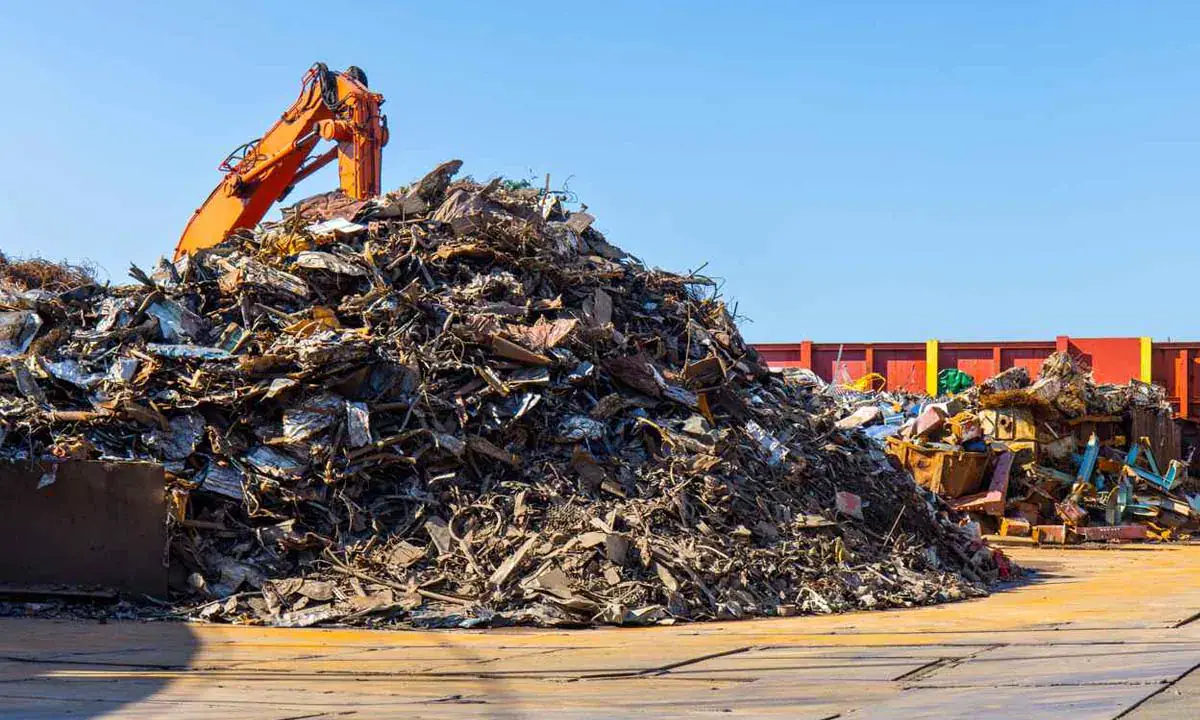
The European Union's plan to tighten regulations on exporting metal waste to countries outside the Organisation for Economic Co-operation and Development has raised concerns about Morocco's future supply of iron scrap from Europe. An initial EU assessment suggested that Morocco would not be allowed to import this material, but the final list of countries permitted to import EU waste has not been finalized. The EU aims to adopt the list before the end of the year.
Iron scrap is a crucial secondary raw material used in steel production, particularly in electric arc furnaces. Morocco argues that excluding iron scrap from the list lacks sufficient technical evidence, as this material is directed to only five licensed industrial facilities that use electric arc furnaces to produce new steel products. The Moroccan authorities emphasize that importing these materials is subject to monitoring procedures, including digital tracking of shipments and prior environmental approvals.
Some European steel and aluminum producers support restrictions on exporting scrap metal to ensure its availability in the local market. However, recycling companies warn that reducing export markets without sufficient European industrial demand could decrease the value of recovered materials and undermine the economic viability of collection and recycling activities. Morocco's continued access to European scrap metal is vital for securing a raw material needed by its steel industry.
In the first nine months of 2026, Morocco imported approximately 535,000 tons of iron and steel scrap from the EU, valued at €166.2 million (around MAD 1.8 billion). This represents a 101% increase in volume compared to the same period in 2025. The value of these imports rose by 114% during the same period. Iron and steel scrap account for about 70% of Morocco's total imports of recyclable waste and materials from the EU.
The Netherlands, France, and Spain are the top European suppliers of iron scrap to Morocco, with 174,500 tons, 130,300 tons, and 124,200 tons, respectively. These figures highlight the significance of this resource to Morocco's industry, which is now a strategic material competing with other metal industries. The EU aims to secure its industrial sector's needs for secondary raw materials.
Morocco has proposed subjecting relevant industrial facilities to independent inspections and expressed willingness to facilitate inspections and continue technical dialogue with the EU. The country emphasizes that its steel industry relies on iron scrap to produce new products and that this material is essential for reducing emissions, particularly when using renewable electricity.
The dispute over iron scrap imports highlights the challenges faced by countries like Morocco in accessing essential raw materials while navigating the EU's efforts to regulate waste exports and promote sustainable practices. The outcome of this issue will have significant implications for Morocco's steel industry and its ability to secure a vital component of its production process.
Key points
- Morocco imported 535,000 tons of iron and steel scrap from the EU in the first nine months of 2026.
- The EU's new export regulations may impact Morocco's access to iron scrap.
- Iron scrap is a crucial material for Morocco's steel industry, particularly for electric arc furnaces.