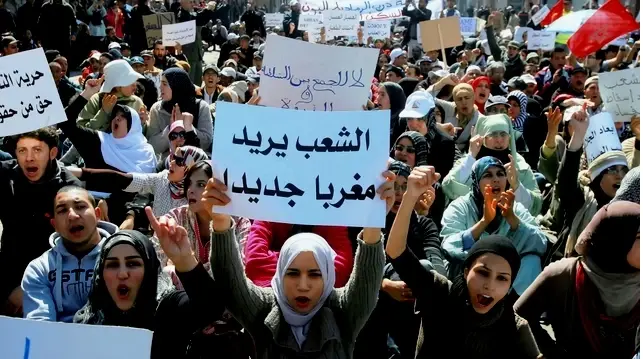
Morocco is gearing up for legislative elections on Wednesday, with reports indicating a growing gap between young people and the political process. The country's youth are facing significant challenges, including high unemployment rates and limited access to basic services. These issues are expected to influence the outcome of the elections. According to international media reports, the elections are taking place against a backdrop of multiple crises, including rising unemployment among young people and criticism of the performance of political parties.
The unemployment rate in Morocco stands at 13%, with a significant disparity among young people aged 15-24, who face an unemployment rate of 37%. The challenges faced by young Moroccans in securing employment have contributed to protests and a wave of irregular migration to the Spanish city of Ceuta. The situation is further complicated by ongoing tensions on the border with Spain. These factors are likely to impact voter turnout and the overall electoral process.
The aspirations of young Moroccans are not primarily driven by ideological differences, but rather by the need for employment, a decent standard of living, and access to functional schools, hospitals, and infrastructure. These demands were also evident during recent youth-led protests. The concerns of young people are not limited to economic issues, but also encompass access to essential services and opportunities for social mobility.
Data from the Spanish newspaper El Español suggests that youth discontent and the Ceuta crisis are driving high levels of electoral apathy. Young people aged 18-24 comprise only 3% of registered voters. The low level of engagement among young people is a concern for the electoral process, as it may impact the legitimacy and representativeness of the outcome.
There are concerns about potential irregular migration attempts from Morocco to Ceuta on the day of the elections. A social media group, "Mass Migration to Ceuta", has attracted over 91,000 young Moroccan followers. The Spanish embassy in Rabat has reportedly alerted the Spanish government to a possible mass crossing of irregular migrants into Ceuta on the day of the elections.
The electoral process is taking place amid ongoing tensions between Morocco and Spain. The two countries have a complex relationship, with issues such as migration, trade, and border security being key areas of contention. The outcome of the elections may have implications for Morocco's relations with Spain and the European Union.
The legislative elections in Morocco are a critical moment for the country's democratic process. The outcome will likely have significant implications for the country's future, particularly in terms of addressing the challenges faced by young people. The elections will also provide insight into the level of engagement and participation among Moroccan citizens, particularly the youth.
Key points
- High unemployment rates among young people in Morocco are driving concerns about the country's economic and social stability.
- The legislative elections in Morocco are taking place amid rising tensions over irregular migration and access to basic services.
- Youth discontent and electoral apathy are significant concerns in the run-up to the elections.