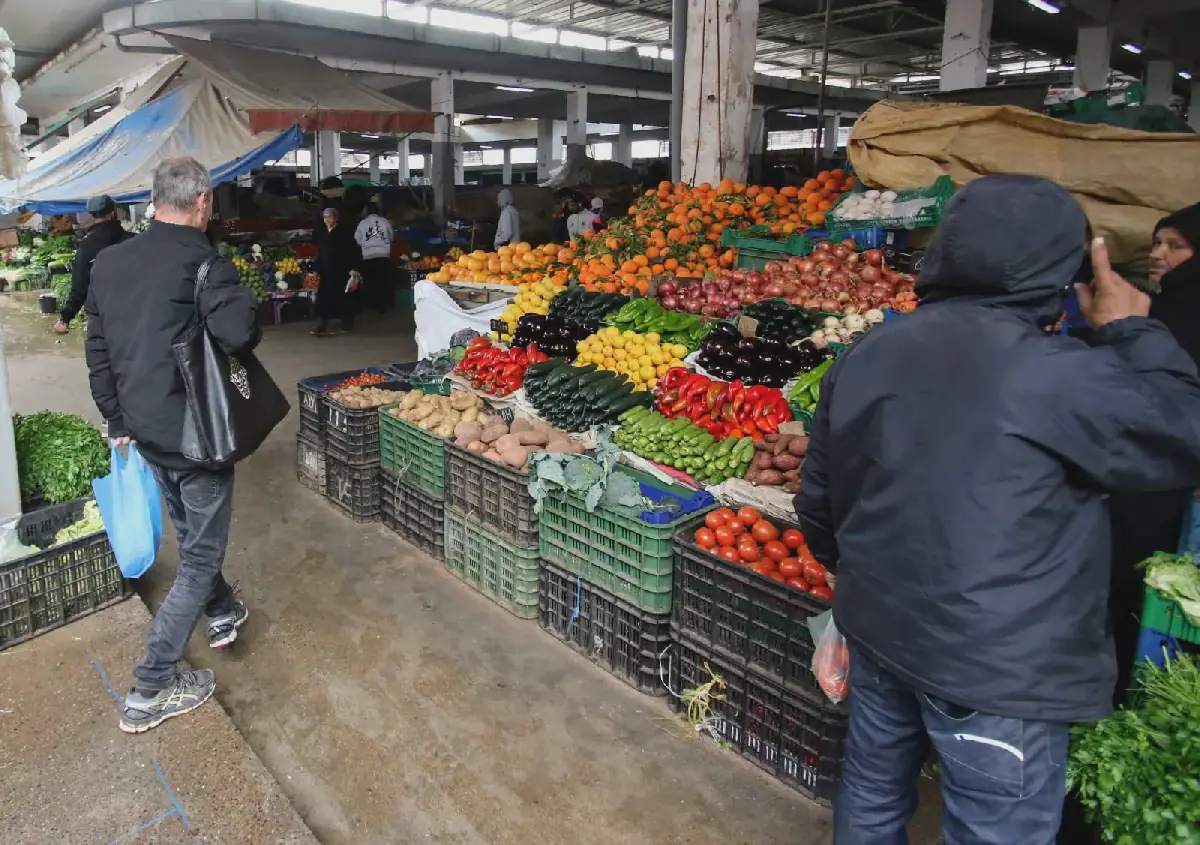
The Moroccan government has established an interministerial commission to address the country's rising cost of living. The commission, announced on November 3, 2026, will be responsible for monitoring price trends, identifying potential market dysfunctions, and proposing measures to mitigate the impact on consumers. This move is seen as a positive step towards addressing the economic challenges faced by Moroccan households. The commission will comprise representatives from various government departments.
The government's initiative comes in response to growing concerns about the increasing cost of living in Morocco. The country's households, particularly those in lower-income categories, have been struggling with the rising prices of essential goods and services. The commission's establishment reflects the government's recognition of the need to take concrete action to address these challenges. However, experts argue that a more comprehensive approach is required to tackle the root causes of the problem.
According to economist El Mostapha Bahri, a one-off solution such as the commission is not enough to address the structural issues driving the rising cost of living. Bahri emphasizes that the government needs to focus on improving market functioning, particularly in terms of supply and competition, and enforcing effective regulation. This includes addressing issues related to market organization, the role of intermediaries, and the modernization of wholesale markets.
The country's markets have been criticized for lacking transparency and being plagued by inefficiencies. The proliferation of intermediaries in the distribution chain has contributed to higher marketing costs and wider price gaps between producers and consumers. Furthermore, the export of certain staple products has been a subject of concern, with many calling for better management of these exports to ensure a stable domestic supply.
Experts argue that the government needs to prioritize the modernization of wholesale markets and improve the organization of commercial circuits. This includes reducing the number of intermediaries and enhancing the flow of information between economic operators. By addressing these issues, the government can help reduce costs and make markets more efficient, ultimately benefiting consumers.
The interministerial commission's effectiveness will depend on its ability to coordinate efforts across different government departments and with market stakeholders. The commission's periodic meetings will provide a platform for discussing market trends, identifying areas for improvement, and proposing policy interventions. However, the government must also demonstrate a commitment to implementing broader structural reforms to address the root causes of the rising cost of living.
The stakes are high, with the well-being of Moroccan households hanging in the balance. The government's response will be closely watched by citizens, businesses, and international observers. While the establishment of the interministerial commission is a positive step, it remains to be seen whether it will be sufficient to address the complex challenges driving the rising cost of living in Morocco.
Key points
- The Moroccan government has set up an interministerial commission to monitor prices and address economic challenges.
- Experts argue that a more comprehensive approach is required to tackle the root causes of the rising cost of living.
- The government needs to prioritize market modernization and improve the organization of commercial circuits to reduce costs and make markets more efficient.