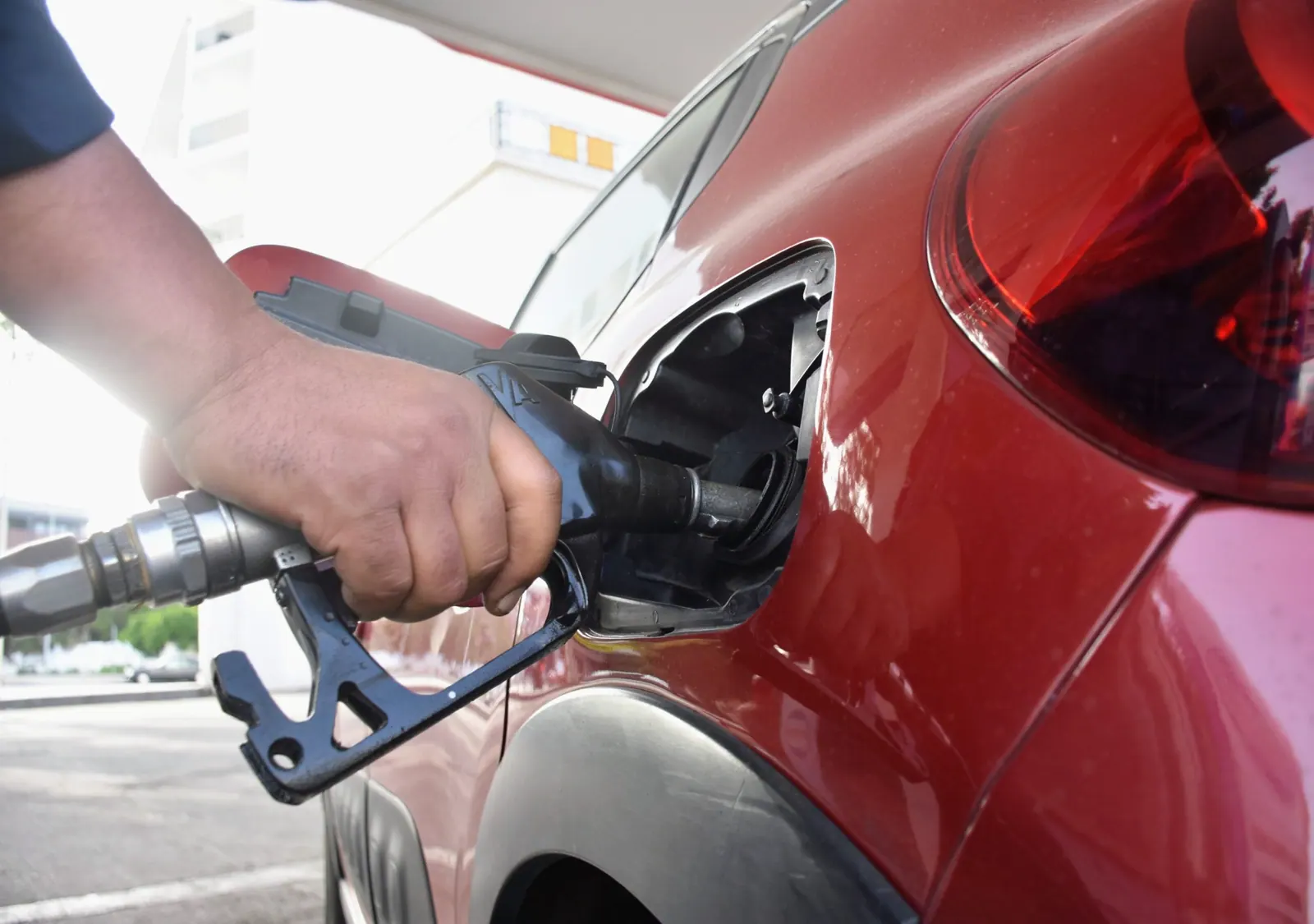
In a notable development, gasoil prices in Morocco have surged to over 16 dirhams per liter following a 85-centime increase, as announced on Thursday. This recent adjustment brings the cumulative rise in gasoil prices to approximately 3.54 dirhams per liter since mid-summer. Consequently, gasoil, a fuel widely utilized in the transportation of goods and people, has attained an unprecedented level.
The prices of fuel in Morocco have been liberalized since 2015, leading to price variations across different stations. The prices are set by distributors based on international quotations, which are revised every two weeks. The ongoing tension in the global oil market, particularly the uncertainty surrounding the Strait of Hormuz, which has been closed since late February, has contributed to the price hike. Analysts have revised their projections for Brent crude, now anticipating an average of 89.05 dollars per barrel in 2026.
A ministerial commission has confirmed that Morocco possesses strategic reserves of gasoil and butane gas, sufficient to cover 40 to 60 days of consumption. This development aims to mitigate potential shortages and ensure a stable supply in the market.
In an effort to cushion the impact of rising fuel prices on the economy, the Moroccan government has extended financial support to professional transporters. The amount of support is adjusted according to fluctuations in fuel prices, with the goal of preventing a pass-through to passenger fares and maintaining market supply.
The impact of increased gasoil prices on consumer prices is a significant concern. As gasoil directly affects transportation and distribution costs, its effects on food prices and services are expected to materialize over several weeks. Although inflation remained under control during the first half of the year, the cumulative effect of price hikes since July poses a risk for the remainder of the year.
The recent price adjustments also reflect the global market dynamics. The closure of the Strait of Hormuz, a critical waterway for oil transportation, has contributed to the upward revision of oil price projections. The situation is being closely monitored by analysts and policymakers, who are assessing its potential implications for the global economy.
The government's strategy to manage the impact of rising fuel prices involves a combination of strategic reserves and financial support to key sectors. By maintaining a stable supply of essential fuels and mitigating the financial strain on transporters, Morocco aims to navigate the challenges posed by the current global oil market conditions.
Key points
- Morocco's gasoil prices have exceeded 16 dirhams per liter due to a recent surge.
- The government has extended financial support to professional transporters to cushion the impact of rising fuel prices.
- Strategic reserves of gasoil and butane gas have been confirmed, covering 40 to 60 days of consumption.