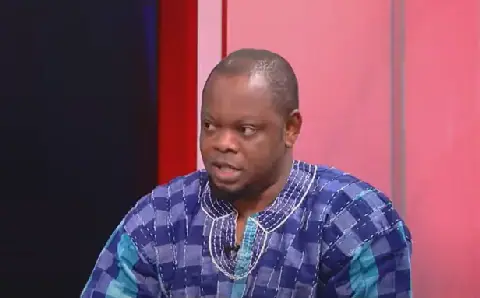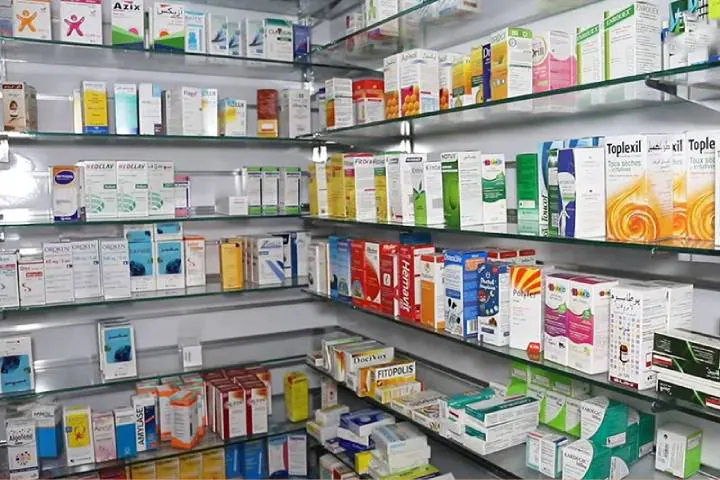
A severe shortage of essential medicines has hit Morocco, leaving patients struggling to access life-saving treatments. The shortage includes medications for chronic illnesses such as eye diseases, heart conditions, and hypertension. According to Krim Ait Ahmed, head of the Independent Pharmacists Association, the absence of these medications can worsen patients' health and pose a significant threat to their well-being.
The shortage is attributed to various factors, including regulatory and economic issues, distribution and logistics problems, and production quality concerns. Additionally, some manufacturers have stopped producing low-priced medications due to low profit margins. Ait Ahmed emphasized that Morocco has failed to develop a clear pharmaceutical policy since independence, relying on patchwork solutions that have not addressed the issue.
The crisis has raised concerns about the country's healthcare policies and the need for effective measures to ensure a stable supply of essential medicines. Ait Ahmed stressed that the risks associated with medication shortages can have far-reaching consequences, including the spread of diseases and increased mortality rates. He also highlighted that Morocco has a large number of registered medications, but many are not readily available.
The Independent Pharmacists Association head called for the government to take a more active role in addressing the shortage. He suggested that the state could invest in national production facilities to ensure a stable supply of essential medicines and reduce reliance on imports. This approach has been adopted by some countries that have struggled to secure vital medications.
The shortage has also raised questions about the role of monopolies in the pharmaceutical industry. Ait Ahmed suggested that some manufacturers may be contributing to the shortage by limiting production or refusing to supply certain medications. The crisis has highlighted the need for greater transparency and accountability in the pharmaceutical sector.
Patients are bearing the brunt of the shortage, with many forced to search for alternative treatments or travel long distances to find available medications. Pharmacists are also facing challenges, as they struggle to provide adequate care to their patients. The shortage has underscored the need for a comprehensive and sustainable solution to Morocco's pharmaceutical needs.
The Moroccan government has been urged to take immediate action to address the shortage and ensure a stable supply of essential medicines. The country's healthcare system is under strain, and the shortage of vital medications is exacerbating the problem. A comprehensive approach that addresses the root causes of the shortage is necessary to prevent similar crises in the future.
Key points
- Morocco faces a severe shortage of essential medicines, including those for chronic illnesses.
- The shortage is attributed to various factors, including regulatory and economic issues, distribution and logistics problems.
- The crisis has raised concerns about the country's healthcare policies and the need for effective measures to ensure a stable supply of essential medicines.