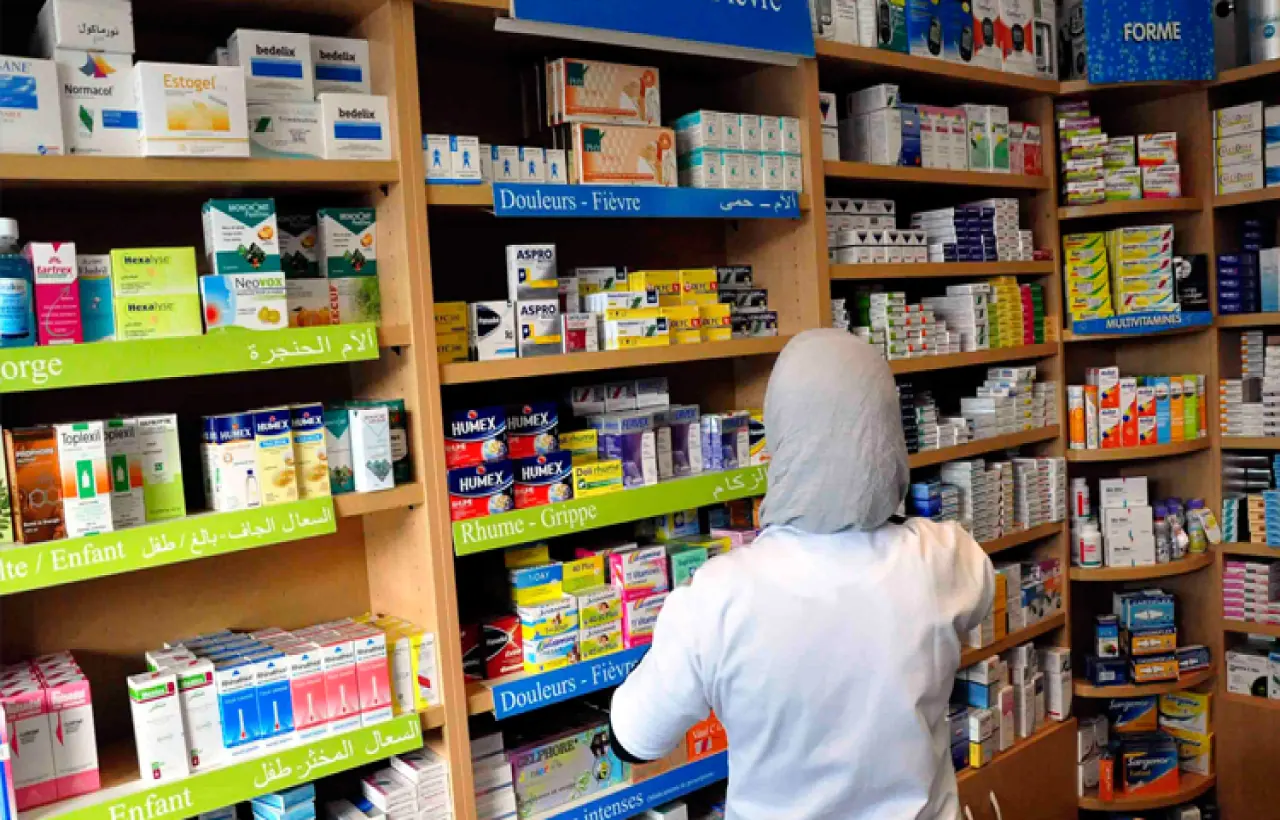
A severe shortage of essential medicines has hit Morocco, leaving patients struggling to access life-saving treatments. The shortage includes medications for chronic illnesses such as eye diseases, heart conditions, and hypertension. This crisis has raised concerns about the country's healthcare system and the need for a comprehensive pharmaceutical policy. Many pharmacies have reported running out of stock, forcing patients to search for alternative sources.
According to Krim Ait Ahmed, head of the Independent Pharmacists Association, the shortage is attributed to various factors, including regulatory and economic issues, distribution and logistics problems, and production quality concerns. The lack of a clear pharmaceutical policy has exacerbated the situation, leading to a reliance on imported medications. This has resulted in a significant financial burden on the country and its citizens.
The shortage has significant implications for patients, particularly those with chronic conditions who require continuous treatment. The absence of essential medications can lead to a deterioration in health, increased risk of complications, and even death. The situation has sparked concerns about the country's ability to provide adequate healthcare to its citizens. Ait Ahmed emphasized that the crisis highlights the need for a national pharmaceutical policy that prioritizes the production of essential medications.
The Moroccan pharmaceutical market is dominated by imported medications, with over 7,000 registered medications available in the country. However, the shortage of essential medications has exposed weaknesses in the system. Ait Ahmed noted that even when searching for specific medications, only one out of seven may be available, leaving pharmacists and patients in a difficult situation.
To address the shortage, Ait Ahmed called for the government to take a more active role in the pharmaceutical sector. He suggested that the government should invest in national production facilities to ensure a stable supply of essential medications. This approach has been successful in other countries, allowing them to reduce their reliance on imports and ensure that citizens have access to the medications they need.
The shortage of essential medications in Morocco has sparked a wider debate about the country's healthcare system and its ability to provide adequate services to its citizens. The crisis has highlighted the need for a comprehensive healthcare strategy that prioritizes the production and distribution of essential medications. The government has been urged to take immediate action to address the shortage and ensure that patients have access to the medications they need.
The situation has also raised concerns about the economic implications of the shortage. The reliance on imported medications has significant financial implications for the country, and the shortage has highlighted the need for a more sustainable approach. By investing in national production facilities, the government can reduce its reliance on imports and ensure that essential medications are available to those who need them.
Key points
- The shortage of essential medications in Morocco has significant implications for patients and the country's healthcare system.
- The crisis highlights the need for a comprehensive pharmaceutical policy that prioritizes the production of essential medications.
- The government has been urged to take immediate action to address the shortage and ensure that patients have access to the medications they need.