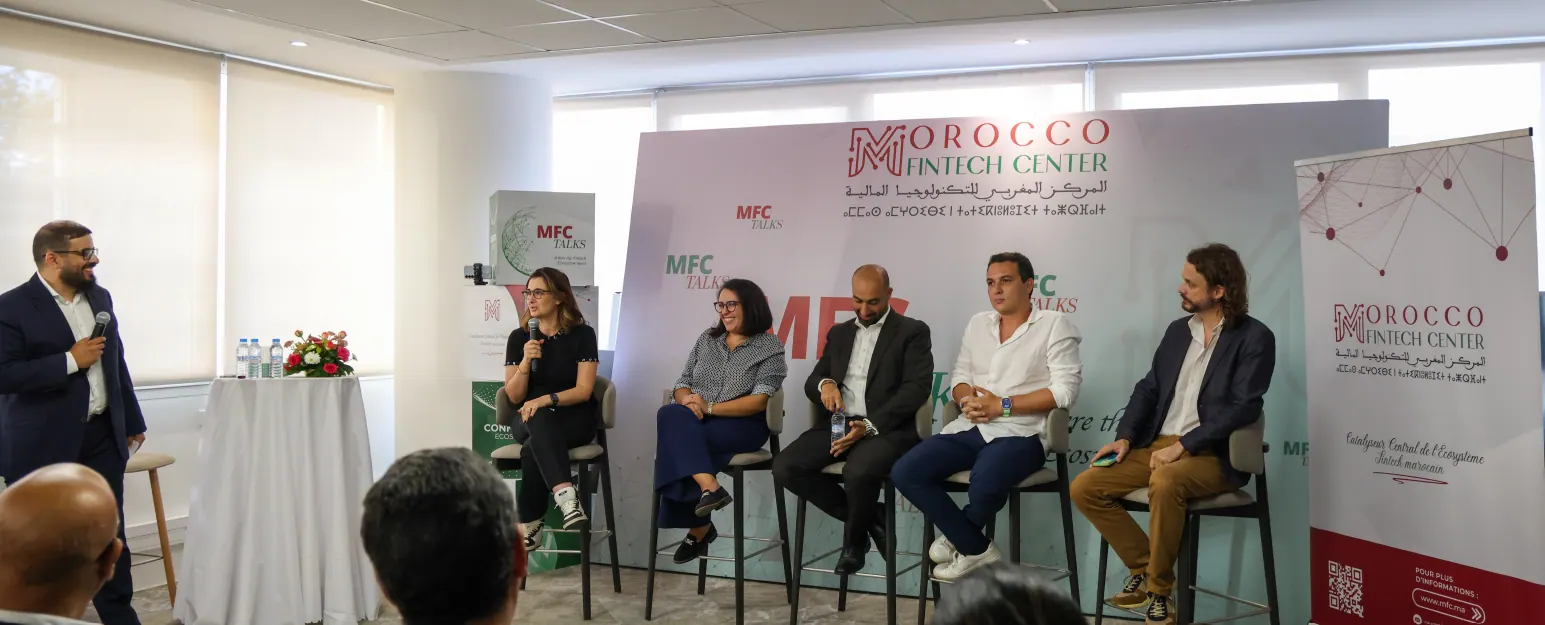
Morocco has made significant strides in developing its infrastructure for instant payments, but the country is now facing the challenge of encouraging adoption. The 11th edition of the MFC Talks, organized by the Morocco Fintech Center in partnership with HPS, brought together regulators, operators, and fintechs to discuss the issue. The event highlighted that while Morocco has the necessary infrastructure and institutional framework for rapid fund transfers, the use of electronic payment methods remains limited. This has sparked a shift in focus from building infrastructure to promoting usage, merchant acceptance, and creating services that can compete with cash.
The event's opening speaker, Mohamed Horani, CEO of HPS, placed the evolution of instant payments within a broader context of technological, market, and regulatory changes. He noted that several transformations are converging, including instant payments, open banking, artificial intelligence, stablecoins, and central bank digital currencies. Horani emphasized that instant payments are changing the relationship with time, allowing value to circulate in seconds and continuously. He called for greater open innovation between banks, institutions, and fintechs to develop new services and facilitate the transition from experimentation to market.
Despite the advanced infrastructure, the discussions revealed a gap between technical capabilities and actual usage. According to data presented during the panel, the immediate potential for acceptance is around 1.5 million merchants, but only about 60,000 merchants are actively using electronic payments. The panelists also noted that cash continues to dominate transactions. However, Morocco has been working on building its ecosystem, including interoperability, payment institutions, mobile payments, and instant transfers.
The challenge has shifted from infrastructure development to adoption, and Bank Al-Maghrib is adapting its approach accordingly. Fadwa Jouali, deputy director of payment systems and means at Bank Al-Maghrib, explained that the regulator now acts as an "ecosystem architect," aiming to improve interoperability, structure infrastructure, and create a favorable framework for innovation. The goal is to make the Moroccan market a testing ground for solutions that can eventually scale up.
The MFC Talks highlighted the need for collaboration between stakeholders to drive adoption. The event brought together regulators, operators, and fintechs to discuss the challenges and opportunities in the market. The participants emphasized the importance of creating services that can compete with cash and promoting merchant acceptance. They also called for greater investment in education and awareness to increase the use of electronic payment methods.
The Moroccan market has significant potential for growth, and the development of instant payments is a key part of this. The country's infrastructure is advanced, and the institutional framework is in place. However, the adoption of electronic payment methods remains a challenge. The MFC Talks demonstrated the need for a collaborative approach to drive adoption and promote innovation in the market.
The event concluded with a call to action for stakeholders to work together to promote the adoption of instant payments. The goal is to make Morocco a hub for fintech innovation, with solutions that can scale up and change the payment landscape. The country's experience can serve as a model for other markets in the region.
Key points
- Morocco has developed advanced infrastructure for instant payments, but adoption remains low.
- The country is shifting its focus from building infrastructure to promoting usage and merchant acceptance.
- Collaboration between stakeholders is crucial to drive adoption and promote innovation in the market.