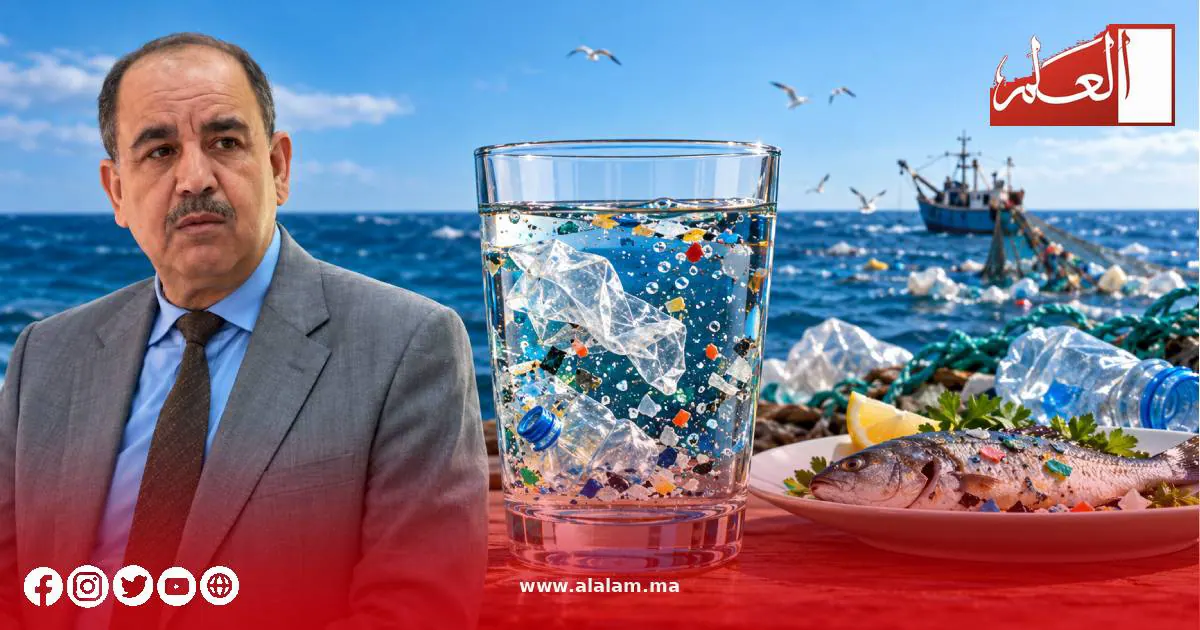
Plastic pollution has become a pressing environmental and health crisis in Morocco, with far-reaching consequences for the country's ecosystem and population. The world produces over 430 million tons of plastic annually, with two-thirds of it ending up as short-lived products that quickly turn into waste, choking the planet. The true disaster lies in the ability of these materials to break down into microplastics, which can penetrate the environment and food chain.
The impact of plastic pollution on Morocco's environment is staggering, with an estimated 19-23 million tons of plastic waste entering the country's water systems, including rivers, lakes, and oceans, every year. Research published in 2019 suggests that humans may consume around 5 grams of plastic weekly, equivalent to the weight of a credit card. While this estimate has sparked scientific debate, it highlights the alarming presence of microplastics in the human body, including in blood, tissues, and lungs.
The health implications of plastic pollution in Morocco are a growing concern, with potential links to tissue inflammation and disruptions to the endocrine system. Moreover, plastic pollution poses a significant threat to the country's marine life, with many animals dying from entanglement or ingestion of plastic waste. The production of plastic, primarily derived from fossil fuels, contributes to greenhouse gas emissions, accounting for around 3.4% of global emissions in 2019.
Morocco's plastic pollution crisis is exacerbated by the limited recycling of plastic waste, with only around 9% of global plastic waste being recycled in 2019. To mitigate this crisis, experts stress the need for reduced individual consumption, avoidance of single-use plastics, and the adoption of sustainable alternatives, such as cloth bags and glass containers. Stricter laws promoting a circular economy are also essential to increase recycling rates and minimize plastic waste.
The consequences of inaction will be severe, with plastic pollution already having a profound impact on Morocco's environment, economy, and public health. The country's ecosystems, including its rich marine biodiversity, are under threat from plastic pollution, which can have long-term effects on the nation's well-being and economic development.
To address this crisis, Morocco must adopt a multi-faceted approach that involves government policies, individual actions, and community engagement. This includes promoting education and awareness about plastic pollution, implementing effective waste management systems, and encouraging sustainable practices throughout the country.
Ultimately, Morocco's plastic pollution crisis requires immediate attention and collective action to protect the country's environment, health, and economy. By working together, Moroccans can mitigate the effects of plastic pollution and create a more sustainable future for generations to come.
Key points
- Morocco produces significant amounts of plastic waste, contaminating its environment and food chain.
- The country's plastic pollution crisis poses significant health risks to its population, including inflammation and endocrine disruptions.
- Effective solutions require reduced plastic consumption, increased recycling, and government policies promoting a circular economy.