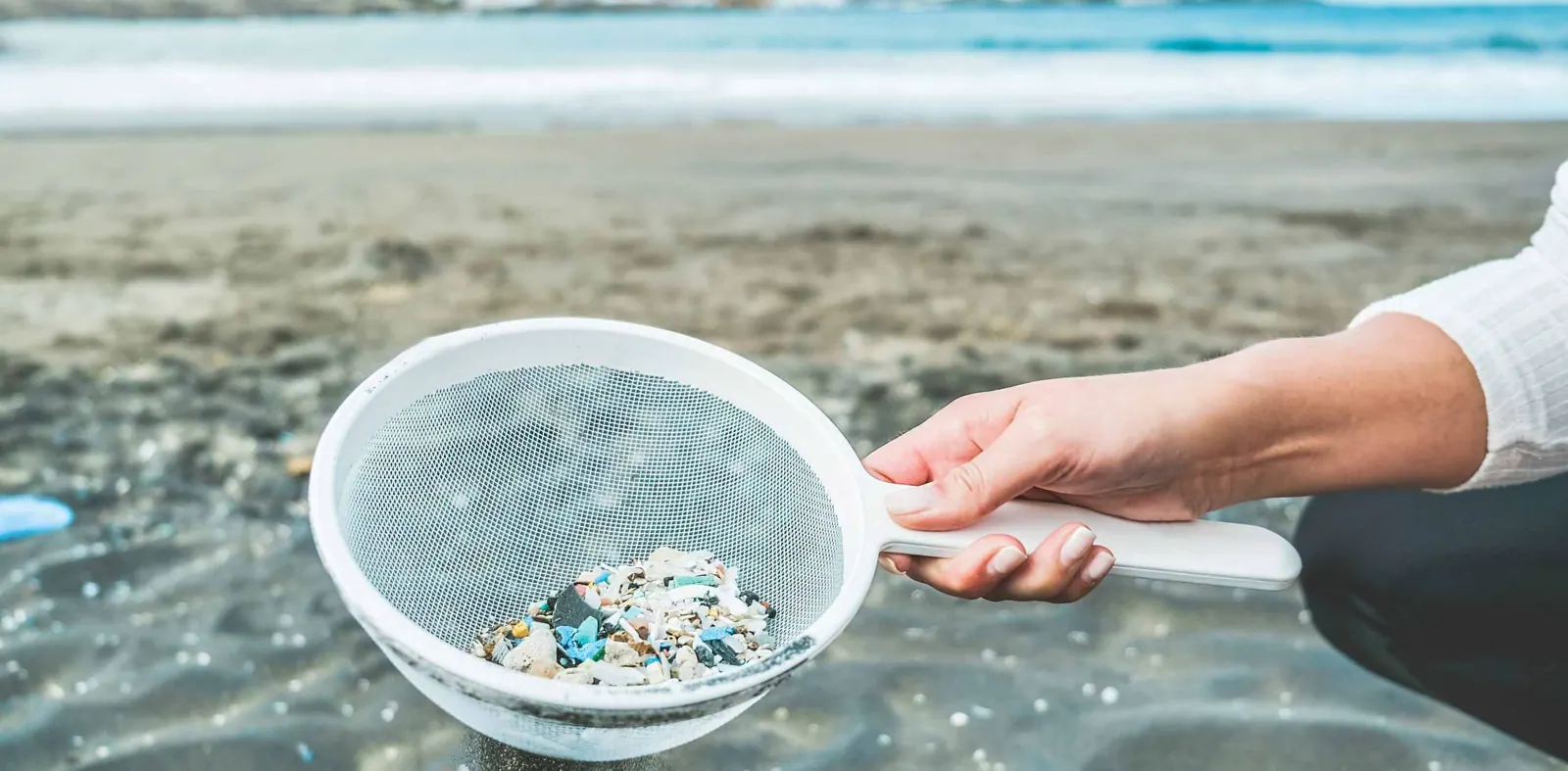
Plastic pollution has become a pressing environmental and health crisis in Morocco, mirroring a global problem. The world produces over 430 million tons of plastic annually, with two-thirds of it being short-lived products that quickly turn into waste, choking the planet. The true disaster lies in the ability of these materials to break down into microscopic particles known as "microplastics." These particles not only pollute beaches but also seep into water systems, lakes, and seas.
Between 19 and 23 million tons of microplastics enter the world's water systems annually. Scientific reports indicate that humans may consume around 5 grams of plastic weekly through drinking water, food, and air, equivalent to the weight of a credit card. Recent research has found these micro particles in human blood, tissues, and lungs, linking them to significant health risks, including hormonal disorders and tissue inflammation.
The impact of plastic pollution extends beyond health risks, causing widespread destruction to ecosystems and the climate. It results in the death of over 100,000 marine animals and one million seabirds annually due to suffocation or ingestion of waste. The plastic industry, primarily derived from fossil fuels, releases over 3% of global greenhouse gas emissions. With a single plastic bag taking up to 500 years and a plastic bottle around 450 years to decompose, millions of tons of accumulated waste remain a perpetual burden.
The situation is dire, with less than 10% of globally produced plastic being recycled. To combat this crisis, it is essential to reduce individual consumption, avoid single-use plastics that make up 40% of daily production, and adopt sustainable alternatives like cloth bags and glass containers. Implementing strict laws to promote a circular economy, increase recycling rates, and decrease the flow of toxins into the environment is also crucial.
Morocco's Al Ahdath Al Maghribia reported on the plastic pollution crisis, highlighting the urgent need for action. The country's environmental and health sectors are significantly affected by this issue. With the increasing awareness of the dangers of plastic pollution, there is a growing need for collective action to address this problem.
Experts stress that the crisis is not just a future threat but a current reality. Every piece of plastic avoided today is a step towards protecting health and saving the planet from a real danger. The situation demands immediate attention and action from governments, individuals, and communities to mitigate the effects of plastic pollution.
To effectively tackle the plastic pollution crisis, Morocco and the global community must work together to develop and implement effective waste management strategies, promote sustainable practices, and raise awareness about the risks associated with plastic pollution. This collective effort is essential to protect the environment, public health, and the planet for future generations.
Key points
- The world produces over 430 million tons of plastic annually, with a significant portion ending up as waste.
- Humans may consume around 5 grams of plastic weekly through drinking water, food, and air.
- Less than 10% of globally produced plastic is recycled, contributing to the accumulation of millions of tons of waste.