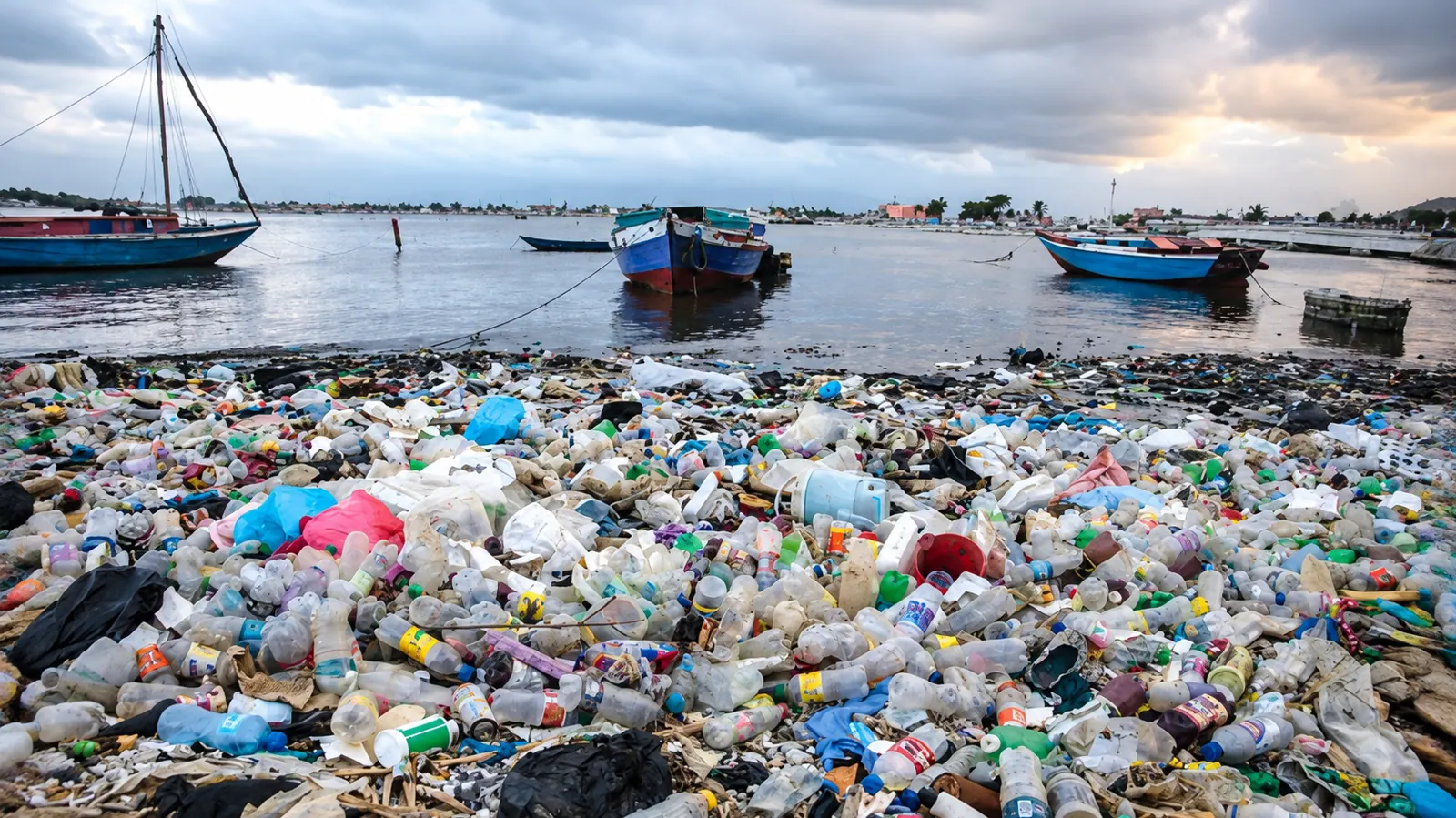
A recent report highlights the substantial economic and environmental impact of plastic pollution on Morocco's Mediterranean coastline. The estimated annual cost stands at $1.2 billion, a figure that experts consider conservative as it does not account for the effects along the Atlantic coast. This issue has significant implications for the country's environmental and economic well-being. The assessment was reported by L'Opinion, a Moroccan news outlet.
The plastic pollution problem in Morocco is part of a broader environmental challenge facing the country. With its extensive coastline along both the Mediterranean Sea and the Atlantic Ocean, Morocco is particularly vulnerable to marine pollution. The situation calls for comprehensive strategies to mitigate the impact of plastic waste on the environment and the economy. Stakeholders, including government agencies and environmental organizations, are expected to collaborate on addressing this critical issue.
According to environmental experts, the true extent of plastic pollution's impact on Morocco might be more severe than current estimates suggest. The $1.2 billion annual cost primarily accounts for damage along the Mediterranean coast, leaving out the Atlantic coast's share of the problem. This omission implies that the actual financial burden could be substantially higher. Addressing plastic pollution requires a multi-faceted approach that includes waste management improvements and public awareness campaigns.
The issue of plastic pollution in Morocco has sparked interest among various stakeholders, including environmentalists, policymakers, and the general public. There is a growing recognition of the need for concerted efforts to reduce plastic waste and enhance recycling practices. Educational programs and community initiatives are being considered to change behaviors and promote sustainable practices. These efforts aim to minimize the environmental footprint of plastic pollution.
Morocco's experience with plastic pollution is reflective of a global problem that requires local solutions. The country's situation underscores the importance of integrating environmental considerations into economic planning. By addressing the root causes of plastic pollution, Morocco can work towards reducing the financial and environmental costs associated with this issue. This approach involves both short-term measures and long-term strategies for sustainable development.
The Moroccan government and environmental organizations are exploring ways to tackle the plastic pollution problem. These efforts include enhancing waste collection services, promoting recycling, and implementing policies to reduce the use of single-use plastics. Public engagement and awareness-raising campaigns are also crucial components of a comprehensive strategy to combat plastic pollution. The goal is to protect Morocco's natural resources and mitigate the economic impacts of environmental degradation.
As Morocco continues to grapple with the challenges of plastic pollution, the issue remains a priority on the environmental agenda. The country's efforts to address this problem are seen as critical to its sustainable development goals. With a focus on collaborative approaches and innovative solutions, Morocco aims to reduce the adverse effects of plastic pollution and promote a healthier environment for future generations.
Key points
- The annual cost of plastic pollution in Morocco is estimated at $1.2 billion.