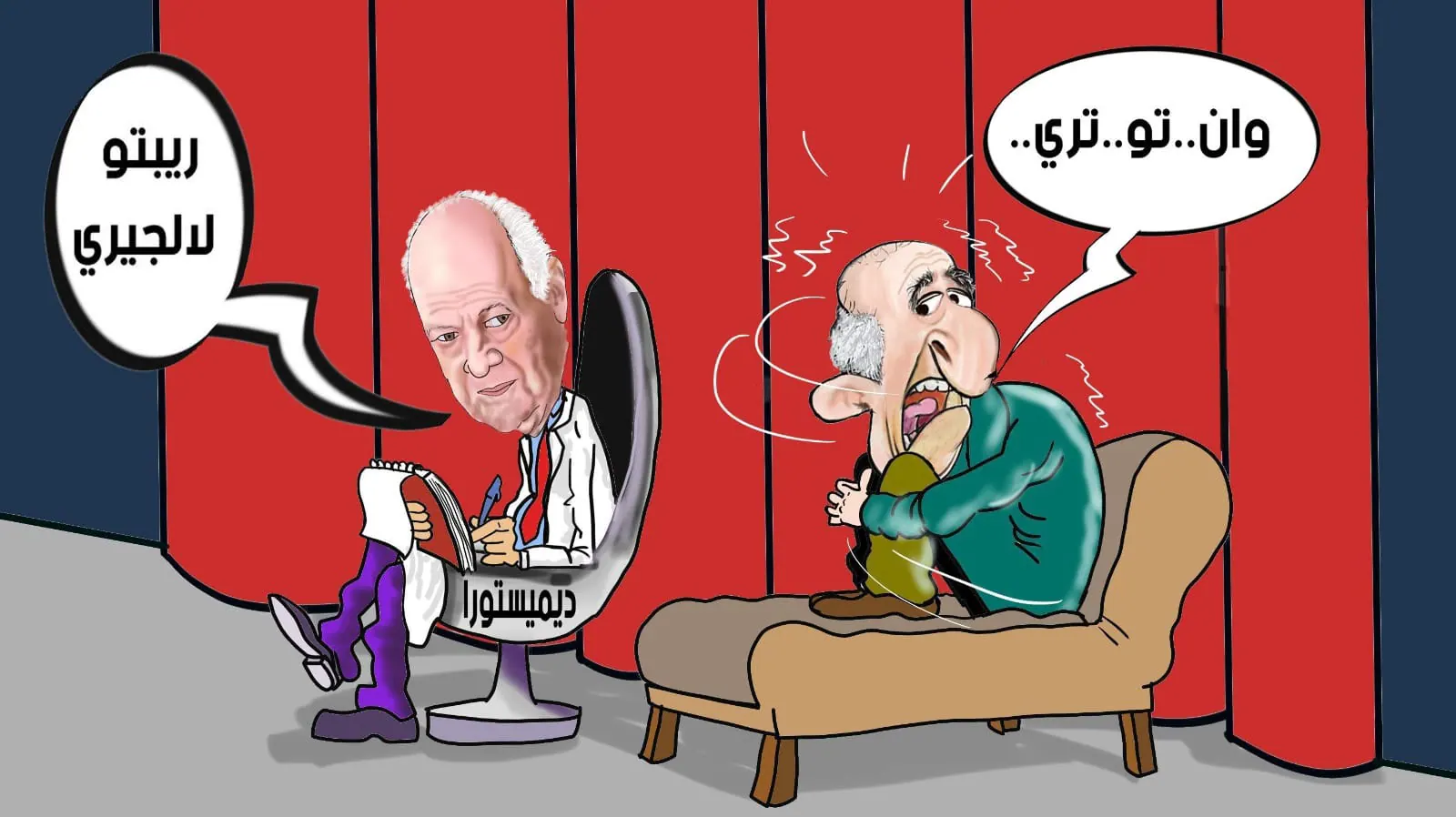
The recent report of UN Secretary-General António Guterres has sparked concerns in Morocco regarding the stance of his personal envoy, Stefan de Mistura, on the Western Sahara conflict. According to sources, de Mistura's comments have raised eyebrows and cast doubt on his impartiality in the matter. The Moroccan parliament's website, Barlamane.com, reported that de Mistura's statements seem to align with the positions of the Polisario Front and Algeria, which supports the separatist group.
De Mistura's remarks in a press conference on November 5, 2025, have been particularly contentious. He stated that UN Resolution 2797 provides a framework for negotiations but does not impose a specific outcome. However, Morocco argues that the resolution clearly supports autonomy under Moroccan sovereignty. This interpretation has been disputed by Moroccan officials, who see de Mistura's comments as an attempt to undermine the legitimacy of the Moroccan position.
The Moroccan government is also concerned about de Mistura's emphasis on the need for international guarantees to support any autonomy plan. According to the report, de Mistura stressed that any autonomy plan should meet the highest international standards and be accompanied by strong international guarantees. Morocco sees this as an attempt to introduce conditions that could delay or complicate the negotiation process.
Furthermore, de Mistura's comments on the need for a meaningful consultation with the Sahrawi people have been seen as a nod to the Polisario Front's demands. Morocco has long maintained that the Sahrawi people are not a separate entity but rather a part of the Moroccan nation. The Moroccan government is likely to take these concerns into account as it engages with the international community on the Western Sahara issue.
The Western Sahara conflict has been a longstanding issue in the region, with Morocco and the Polisario Front having competing claims over the territory. The UN has been involved in efforts to resolve the conflict, with Resolution 2797 adopted in 2008. However, the implementation of the resolution has been slow, and the conflict remains unresolved.
Morocco's King Mohammed VI has been actively engaged in efforts to resolve the conflict, and the country's diplomatic efforts are likely to focus on addressing the concerns raised by de Mistura's comments. The Moroccan government will likely engage with international partners to ensure that the UN's role in the conflict is impartial and that the negotiation process is fair and transparent.
The controversy surrounding de Mistura's comments highlights the complexities of the Western Sahara conflict and the challenges of finding a resolution that satisfies all parties. As the UN continues to play a role in the conflict, Morocco's concerns about de Mistura's impartiality will need to be addressed to ensure a productive and fair negotiation process.
Key points
- Morocco raises concerns over UN envoy's impartiality in Western Sahara conflict
- De Mistura's comments spark controversy over autonomy plan and international guarantees
- Moroccan government to engage with international partners to address concerns