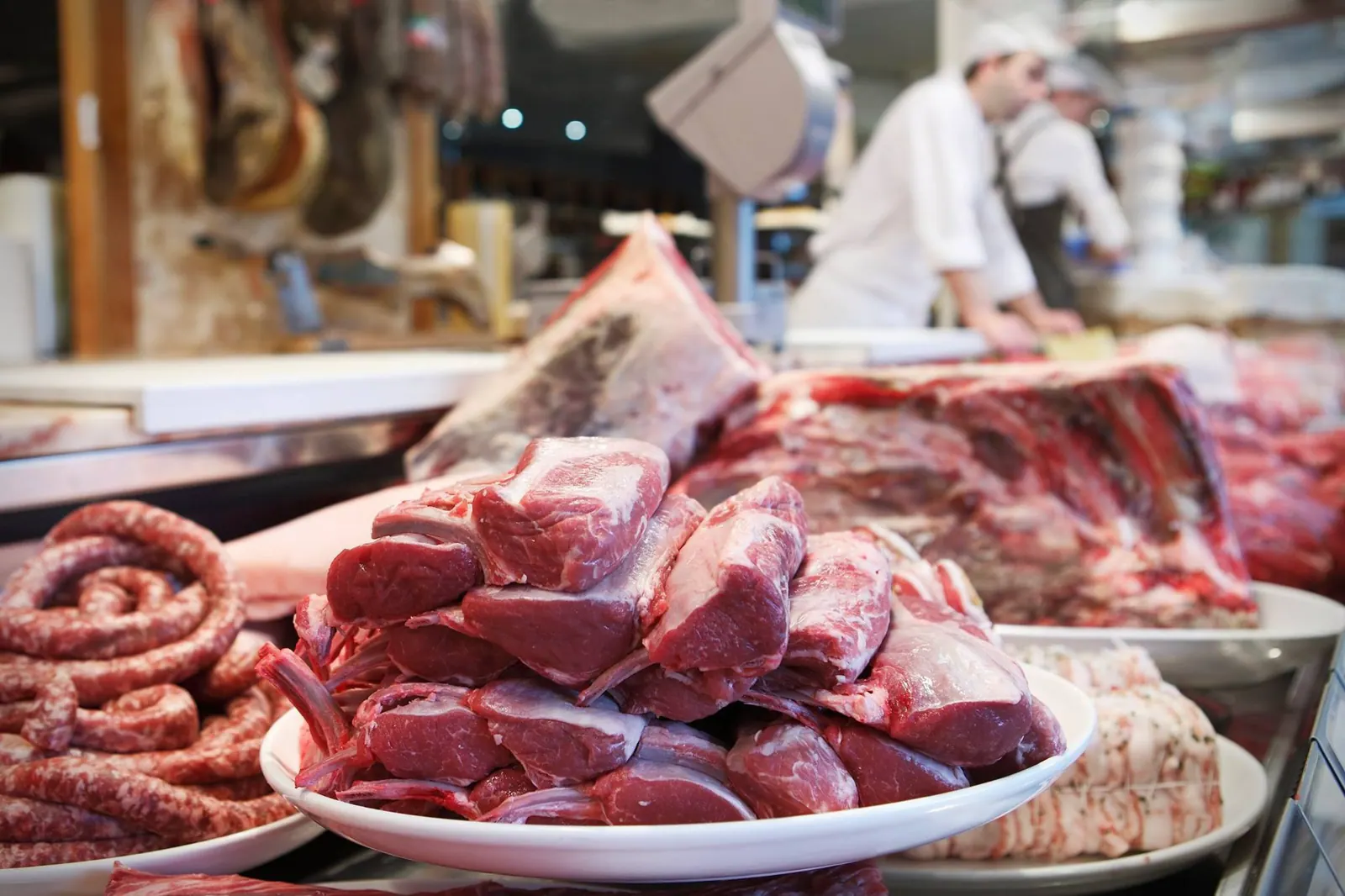
Morocco is set to receive a new shipment of frozen beef from Brazil in October, according to reports from local news outlet Le360. The move aims to address the high prices of meat in the country, which have sparked complaints from citizens. Beef prices have exceeded MAD 120 per kilogram in several regions, while lamb prices have surpassed MAD 180. The situation has put a strain on Moroccans' purchasing power.
The new shipment is not intended for traditional markets or butchers, but rather for hotels and restaurants. This means that butchers will still have to rely on their fresh cuts. The import of frozen meat is part of Morocco's efforts to tackle the situation, which also includes importing cattle from countries like Brazil and Uruguay. However, there were concerns that the frozen meat could be supplied to traditional butchers or weekly souks.
According to Hicham Jaouabri, regional secretary of the Casablanca-Settat Association of Wholesale Red Meat Traders, the imported beef commercial distribution channel is precisely defined. The frozen meat is intended to meet the needs of hotels, classified restaurants, and establishments that require specific cuts and standards. This is expected to help regulate the market and provide relief to consumers.
The news comes amid reports of irregularities in the sheep market, particularly during occasions like Eid Al Adha. During the recent Eid Al Adha celebrations, reports indicated that sheep were sold at high prices despite government interventions, tax exemptions, and subsidy programs aimed at stabilizing the market. The Ministry of Agriculture reported that between 8 and 9 million sheep and goats were available for the feast, exceeding the estimated demand of 6 to 7 million heads.
Despite the reported availability of sheep, many households complained that the cost of purchasing sheep remained out of reach. Head of Government Aziz Akhannouch defended the government's decision to subsidize sheep imports, citing exceptional conditions due to five consecutive years of drought that reduced water supplies. The government's efforts aim to stabilize the market and provide relief to consumers.
The import of frozen beef from Brazil is part of Morocco's efforts to address the meat price crisis. The country has been experiencing high meat prices, which have affected citizens' purchasing power. The government's intervention aims to regulate the market and provide affordable meat options to consumers. The shipment is expected to arrive in early October, and its impact on the market will be closely watched.
The situation in Morocco highlights the challenges faced by countries in regulating their markets and providing affordable food options to citizens. The government's efforts to import frozen meat and subsidize sheep imports demonstrate its commitment to addressing the issue. However, the effectiveness of these measures remains to be seen, and the impact on the market will be closely monitored.
Key points
- Morocco expects a new shipment of frozen beef from Brazil in October to regulate meat prices.
- The imported beef is intended for hotels and restaurants, not traditional markets or butchers.
- The move aims to address the high prices of meat in Morocco, which have exceeded MAD 120 per kilogram.