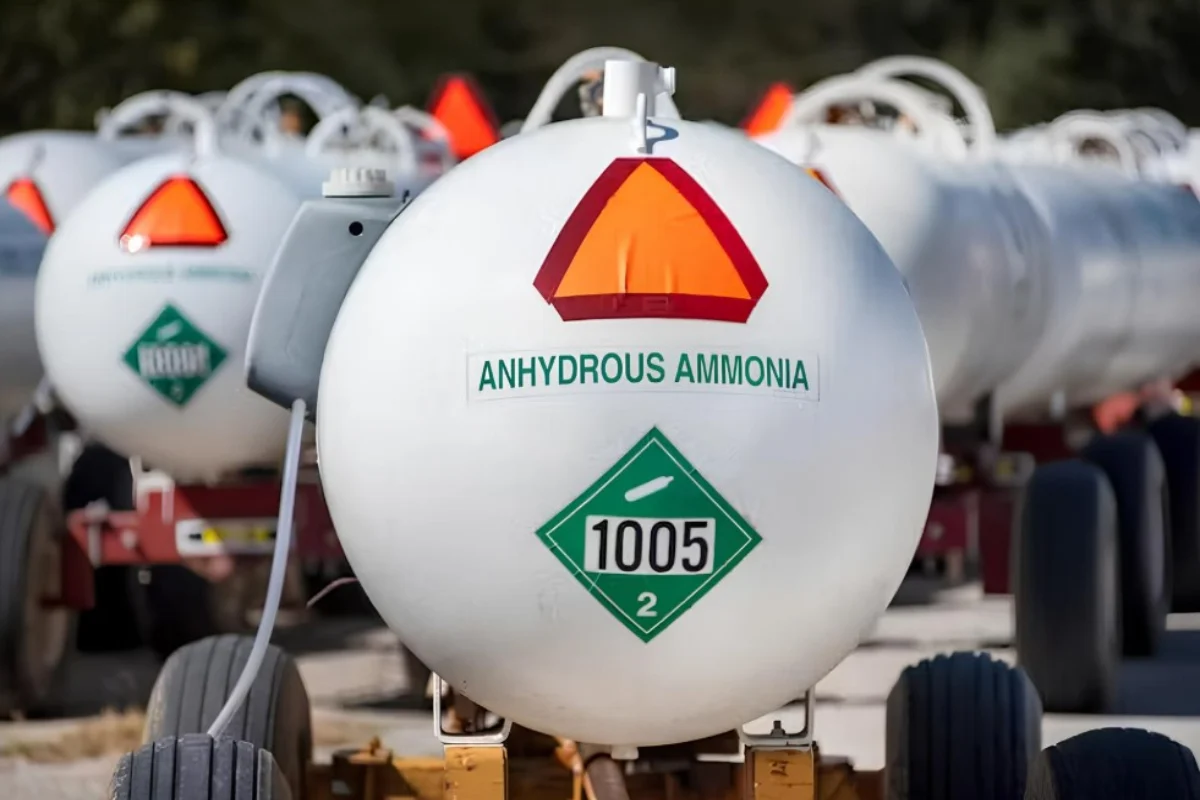
Morocco has become the largest buyer of Chinese ammonia, importing 51,050 tonnes in a single month. This significant increase of over 160% from the previous month has allowed the country to surpass Australia, South Africa, and India. The substantial volumes have positioned Morocco well above its competitors, with Australia importing 34,344 tonnes, South Africa 24,997 tonnes, and India 24,683 tonnes during the same period.
Unlike other countries that use ammonia as a final agricultural input, Morocco utilizes it as a raw material for industrial purposes. The OCP group transforms ammonia into phosphoric acid and phosphate fertilizers at its Jorf Lasfar and Safi platforms, primarily for export. As Morocco lacks significant natural gas resources, it relies on importing the entirety of its ammonia needs. This dependence is a primary vulnerability for the industry, despite being backed by the world's largest phosphate reserves.
To address this vulnerability, the OCP group has initiated a green ammonia program based on electrolysis powered by renewable energy. This strategic move aims to reduce Morocco's reliance on imported ammonia and enhance its industrial capabilities. The country's efforts to diversify its ammonia supply chain come as China's exports of fertilizers have increased by 11.9% in volume during the first five months of the year, reaching 14.36 million tonnes.
The global nitrogen market is experiencing constraints due to tensions in the Strait of Hormuz and a slowdown in European ammonia production units, hampered by high gas costs. These factors have created an opportunity for Chinese ammonia suppliers, including those exporting to Morocco. The North African country's growing demand for ammonia is driven by its expanding industrial sector, particularly in the production of phosphate fertilizers.
Sub-Saharan Africa remains heavily dependent on fertilizer imports, with consumption levels significantly lower than the global average. In 37 countries, fertilizer use is less than 25 kilograms per hectare, compared to a worldwide average of 139 kilograms. China's investments in the region, including potash projects in Congo-Brazzaville and a phosphate complex in Egypt, position it as both a supplier and competitor to Morocco on the continent.
Morocco's emergence as the top buyer of Chinese ammonia reflects the evolving dynamics of the global nitrogen market. The country's industrial needs, coupled with its reliance on imports, underscore the complexities of the fertilizer supply chain. As Morocco and China continue to engage in trade, their cooperation may shape the future of the African fertilizer market.
The growth of Morocco's ammonia imports from China also highlights the country's efforts to bolster its industrial capabilities. With ongoing investments in renewable energy and a focus on sustainable practices, Morocco aims to mitigate its dependence on external factors and strengthen its position in the global fertilizer market.
Key points
- Morocco imported 51,050 tonnes of Chinese ammonia in one month.
- The country's ammonia imports are driven by its industrial needs, particularly in phosphate fertilizer production.
- China's investments in Africa's fertilizer sector position it as both a supplier and competitor to Morocco.