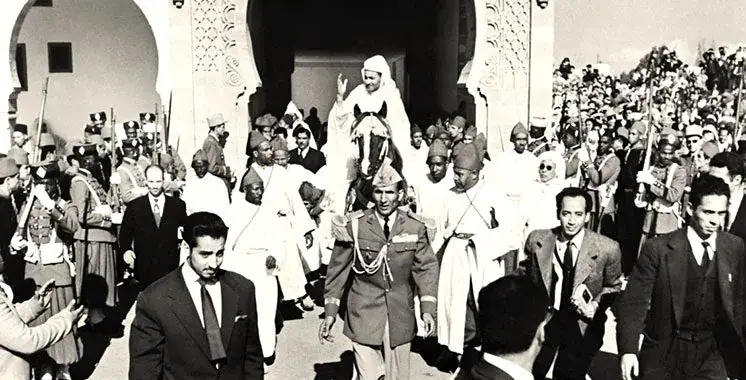
Morocco commemorates the 71st anniversary of its Independence Day, a historic event that symbolizes the strong bond between the throne and the people. This day marks the country's liberation from French colonial rule in 1956. The celebration is an opportunity to recall the sacrifices made by Moroccans under the leadership of the Alaouite Throne to regain national sovereignty and preserve the country's unity.
The struggle for independence was marked by numerous popular uprisings and heroic battles led by Moroccans against foreign presence and attempts to weaken the nation. Examples include the battles of El Hri, Anoual, Bougafer, Jebel Badou, and Sidi Bou Othman. These events showcased the bravery and resistance of Moroccan fighters who made significant sacrifices against foreign forces.
A key moment in the march towards independence was the presentation of the Manifesto of Independence to the Protectorate authorities on January 11, 1944. This initiative, led by pioneers and leaders of the national movement, was a call for Morocco's independence. However, it was met with violent repression from colonial authorities, resulting in the arrest of several national movement leaders and brutal treatment of Moroccan citizens who supported the manifesto.
The movement national also worked to raise awareness among the international public opinion about the Moroccan cause. The efforts had a considerable impact on the foreign presence in Morocco. In 1947, King Mohammed V's historic visit to Tangier confirmed Morocco's commitment to freedom, independence, and territorial integrity. The King rejected pressure to sever ties with the national movement and its patriotic momentum.
The determination of King Mohammed V to defend Morocco's sovereignty led to his exile to Madagascar on August 20, 1953. This event sparked widespread outrage and resistance among Moroccans, marking the beginning of armed struggle and sacrifice. Cells of resistance and secret organizations formed, and heroic operations began to target colonial interests.
The mobilization of the Moroccan people ultimately led to the victorious return of King Mohammed V from exile, symbolizing the nation's determination to fight for its independence and sovereignty. The event marked a significant turning point in Morocco's history, paving the way for the construction of a modern Morocco and the realization of its territorial integrity.
Today, Morocco continues to celebrate its Independence Day as a testament to the country's long struggle for freedom and self-determination. The commemoration serves as a reminder of the sacrifices made by Moroccans and their unwavering commitment to defending their nation's values and constants.
Key points
- Morocco commemorates 71 years of independence from French colonial rule.
- The country's struggle for independence was marked by numerous battles and sacrifices made by Moroccans.
- The celebration serves as a reminder of Morocco's long struggle for freedom and self-determination.
Reporting sources
- Fête de l’Indépendance : Un pacte entre le Trône et le peuple qui défie le temps · Aujourd'hui Le Maroc