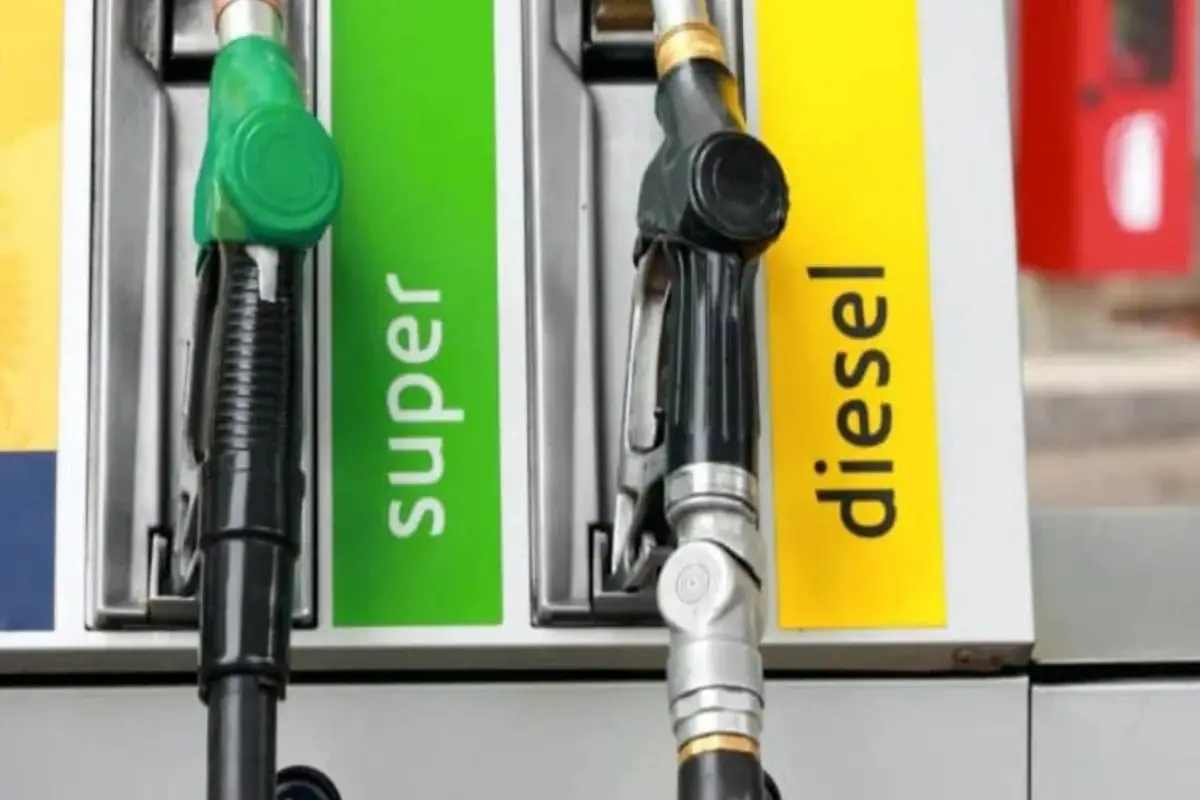
The Moroccan government collected 18.7 billion dirhams in internal consumption taxes (TIC) on energy products during the first ten months of 2026, up 7.1% from 17.5 billion dirhams in the same period of 2025. This represents 52.3% of total internal consumption taxes, which amounted to 35.8 billion dirhams. Fuel products are the largest source of internal consumption taxes, surpassing manufactured tobacco, which generated 13.3 billion dirhams.
The monthly collection rate averaged 1.87 billion dirhams during the ten months, while achieving the forecast requires a monthly collection of around 2.2 billion dirhams in November and December. The net collection, after deducting refunded amounts, reached 18.6 billion dirhams, up 6.6%. This represents 5.3% of total net ordinary revenues. Refunded amounts from this tax increased to 143 million dirhams, compared to 52 million dirhams the previous year.
The tax on added value collected on energy products at import increased by 24%, or 1.9 billion dirhams, which is the largest relative increase among customs components. This brings the total collection of this tax to around 9.6 billion dirhams, up from approximately 7.8 billion dirhams. The combined total of both taxes may reach 28.4 billion dirhams, accounting for around 8.6% of total tax revenues, which stood at 330.5 billion dirhams.
Total customs revenues, including customs duties, value-added tax at import, and consumption tax on energy products, reached 90.8 billion dirhams, up 8.6% or 7.2 billion dirhams from the previous year. Energy products contributed around 3.1 billion dirhams to this increase, accounting for over 40% of the total increase. The collection of consumption tax on energy products exceeded customs duties, which stood at 15.6 billion dirhams, up 10.9%.
The Moroccan government's total tax revenues reached 330.5 billion dirhams, up 11.5%. The tax on companies generated 95.1 billion dirhams, while the tax on added value yielded 101.1 billion dirhams. Internal consumption taxes totaled 35.8 billion dirhams, up 7.4%. Other categories, excluding tobacco and energy, recorded 3.8 billion dirhams, up 15.2%.
In contrast, the government's expenditure on subsidies reached 15.7 billion dirhams, up 57.2% or 5.7 billion dirhams from the previous year. However, the collection of fuel tax alone exceeded this expenditure by around 3 billion dirhams. The dynamic tax environment contributed to reducing the treasury deficit to 44.1 billion dirhams, compared to 55.5 billion dirhams at the end of October 2025, with a positive ordinary balance of 23.5 billion dirhams.
The significant increase in energy tax revenues highlights the Moroccan government's efforts to capitalize on the growing demand for energy products. With a focus on optimizing tax collection, the government aims to meet its forecast of 23.2 billion dirhams in energy taxes for 2026. The surge in energy tax revenues also underscores the need for efficient management of subsidy expenditures to mitigate the impact of rising energy prices on consumers.
Key points
- Morocco collected 28 billion dirhams in energy taxes, with a 7.1% increase in fuel tax.
- The tax on added value collected on energy products at import increased by 24%, or 1.9 billion dirhams.
- The Moroccan government's total tax revenues reached 330.5 billion dirhams, up 11.5%.