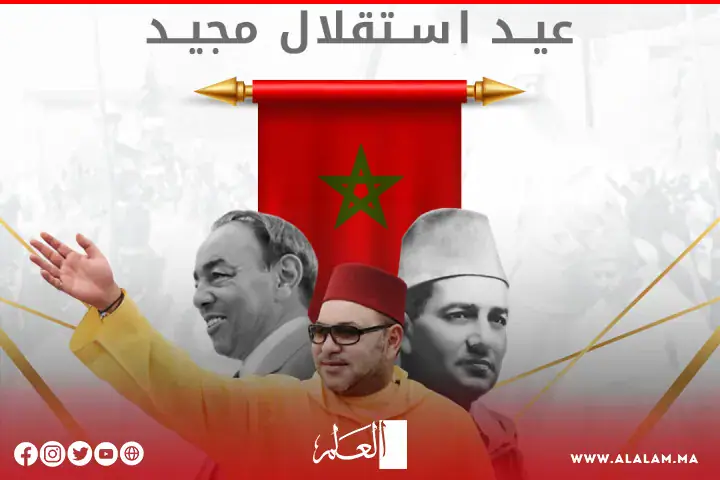
Morocco is celebrating three majestic holidays: Eid al-عودة (November 16), Eid al-انبعاث (November 17), and Eid al-استقلال (November 18). These national occasions symbolize significant events in the country's history, marking the end of the protectorate era and the beginning of independence. On November 16, 1955, King Mohammed V returned to Morocco after 28 months in exile, marking a new era for the country.
The three holidays are interconnected and reflect the country's past, present, and future. The King's return from exile was a pivotal moment, as it led to the country's independence and the establishment of a new era. The holidays also symbolize the nation's struggle for freedom and self-determination. According to a royal speech on November 18, 1955, the King entrusted the Moroccan government with negotiating with the French government, paving the way for independence.
The celebrations are a testament to Morocco's rich history and its people's resilience. The country's independence was formally recognized by France on March 2, 1956, through a joint declaration signed by French Foreign Minister Christian Pineau and Moroccan Prime Minister Mohammed V. This declaration acknowledged Morocco's sovereignty and marked the beginning of a new era in Franco-Moroccan relations.
The three holidays have significant implications for Morocco's present and future. They serve as a reminder of the country's history and its people's determination to preserve their independence and sovereignty. The celebrations also reflect the country's commitment to building a modern, independent nation under the wise leadership of its monarchs.
King Mohammed VI is continuing his predecessors' efforts to promote Morocco's development and progress. He is building on the foundations laid by his grandfather, King Mohammed V, and his father, King Hassan II. The King's vision for the country's future is centered on promoting economic, social, and cultural development, while preserving Morocco's rich history and cultural heritage.
The celebrations of the three majestic holidays are a time for Moroccans to reflect on their country's history and its people's struggles. They are also an opportunity for the nation to look to the future and reaffirm its commitment to independence, sovereignty, and development. The holidays serve as a reminder of the importance of preserving national identity and promoting national unity.
As Morocco celebrates these significant holidays, the country is also marking a new chapter in its history. The celebrations are a testament to the nation's resilience and determination to build a brighter future. The three majestic holidays will continue to be an integral part of Morocco's national identity, reflecting the country's rich history, its people's struggles, and its commitment to progress and development.
Key points
- Morocco's three majestic holidays commemorate the country's struggle for independence and the establishment of a new era under the leadership of its monarchs.