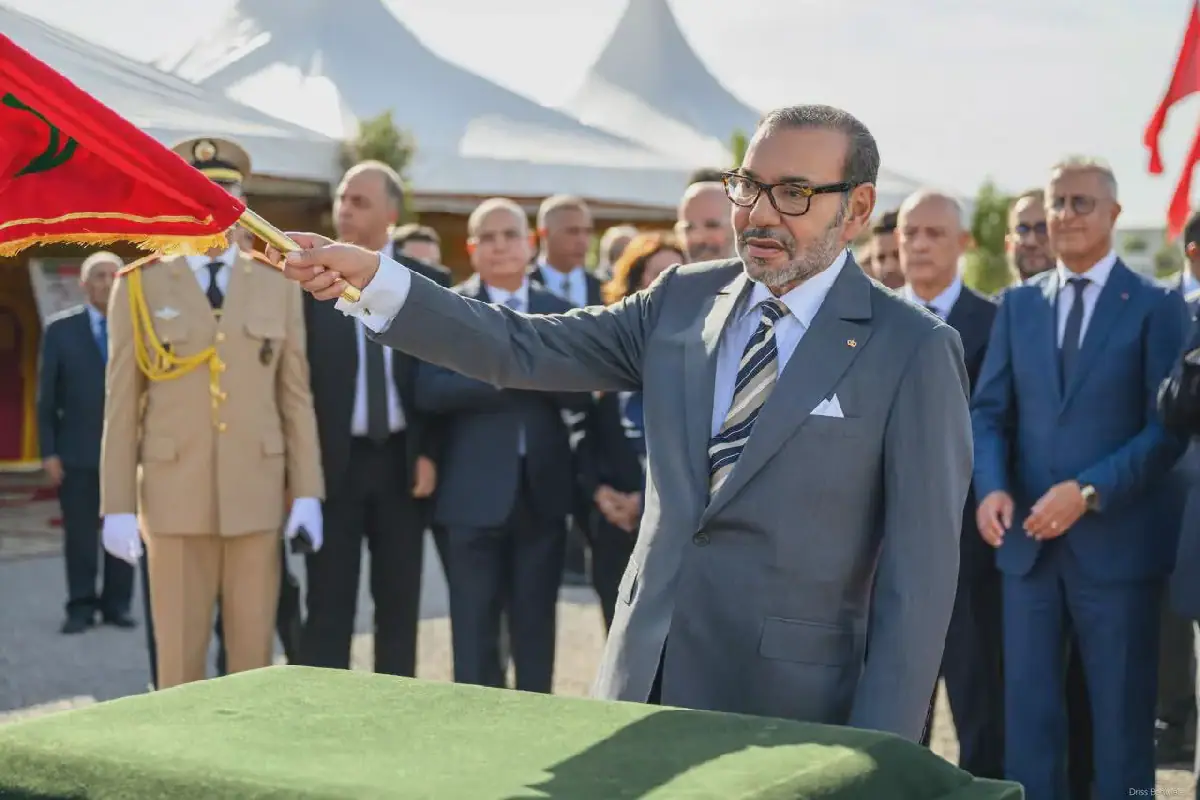
Morocco is commemorating the 71st anniversary of its independence, a significant milestone in the country's modern history. The celebration honors the sacrifices of generations who fought for the nation's sovereignty and independence. Since gaining independence in 1956, Morocco has undergone substantial transformations, evolving from a newly independent nation to a modern state with a growing economy and international presence.
At the time of independence, Morocco faced significant challenges, including a limited infrastructure, underdeveloped transportation networks, and a shortage of skilled professionals. The country had to build a modern state with national institutions, a unified administration, and an independent economy. This process involved creating a new generation of leaders and professionals to manage the country's institutions, public services, and infrastructure.
Over the past 71 years, Morocco has made significant investments in infrastructure and development projects, transforming the country's landscape. The construction of new roads, highways, and airports has improved connectivity and facilitated economic growth. The country's transportation network has expanded, with the development of a high-speed rail line, modern ports, and international airports, enhancing Morocco's global connectivity.
A key aspect of Morocco's development has been the expansion and modernization of its road network. The country's road network has grown significantly, with over 1,800 kilometers of highways connecting major cities and economic centers. This has reduced travel times, facilitated the movement of goods and people, and contributed to the country's economic growth.
Morocco's railway system has also undergone significant transformations, with the introduction of high-speed trains and modern infrastructure. The country's first high-speed rail line, launched in 2018, connects Tangier to Casablanca, reducing travel times and enhancing the passenger experience. Plans to extend this line to Marrakech are underway, as part of a broader investment program in the rail sector.
The development of Morocco's port infrastructure has been another critical aspect of the country's growth. The Tanger Med port, launched in 2007, has become a major hub for international trade, handling over 11 million containers in 2025. The port has attracted significant investment, particularly in the automotive sector, and has contributed to the growth of the northern region.
Morocco's airport infrastructure has also expanded, with modernized airports in Casablanca, Marrakech, and other major cities. The country's national airline, Royal Air Maroc, has played a key role in enhancing Morocco's air connectivity, with an expanded network of international routes. The growth of Morocco's tourism sector has been supported by these developments, with the country welcoming increasing numbers of visitors.
Key points
- Morocco has made significant progress in infrastructure development, including roads, railways, ports, and airports, over the past 71 years.