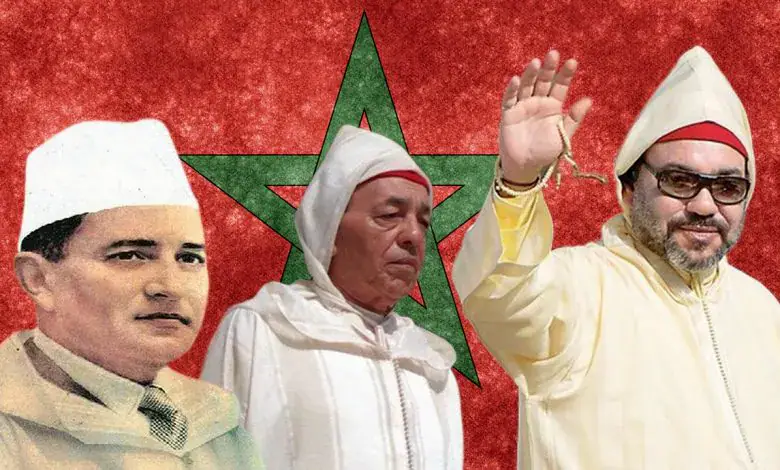
Morocco celebrates its 71st independence anniversary on November 18, 2026, with pride and gratitude. This occasion allows Moroccans to recall their national struggle and the sacrifices made by the royal family and the people for freedom and sovereignty. Since gaining independence in 1956, Morocco has made significant strides in various fields, including economic development, infrastructure growth, and improved social and economic conditions for its citizens.
According to Amin Sami, an expert in economics and strategic planning, Morocco's progress since independence is a story of continuous nation-building, economic development, and improved infrastructure. During the reign of King Mohammed V, the foundations of a sovereign state were established, including monetary, financial, and administrative institutions. The late King Hassan II's era was marked by dam construction, agricultural and industrial development, and expanded infrastructure.
Under King Mohammed VI, who ascended to the throne in 1999, Morocco has accelerated its economic and social modernization projects, including the construction of the Tangier Med port, the launch of the high-speed train Al Boraq, and the expansion of the highway network. The country has also developed industries related to cars, aviation, and phosphates, and invested in renewable energy projects, such as the Noor Ouarzazate complex.
These projects have not only contributed to Morocco's economic growth but also improved its international connections and competitiveness. The country's economic indicators have shown significant improvement, with better access to basic services and a decline in multidimensional poverty. However, challenges related to employment, purchasing power, and regional disparities persist, highlighting the need for continued reforms.
Amin Sami emphasized that Morocco's future prospects, as envisioned by King Mohammed VI, require a combination of continuity in strategic projects, improved governance, and evaluation. The country must also focus on developing human capital, converting economic growth into job opportunities, and distributing wealth more evenly across regions.
The expert noted that Morocco is currently engaged in new strategic projects, such as the development of the Nador West Med port and the Dakhla Atlantic port, as well as expanding its high-speed train network. These initiatives represent a new challenge for the country, which must move beyond infrastructure development and focus on maximizing the economic, productive, and social returns on its investments.
As Morocco looks to the future, it aims to create a more balanced and sustainable economy, with a strong focus on job creation and social development. The country's progress since independence is a testament to its resilience and determination, and its future prospects will depend on its ability to build on past achievements while addressing ongoing challenges.
Key points
- Morocco has made significant progress in economic development, infrastructure growth, and social development since its independence in 1956.