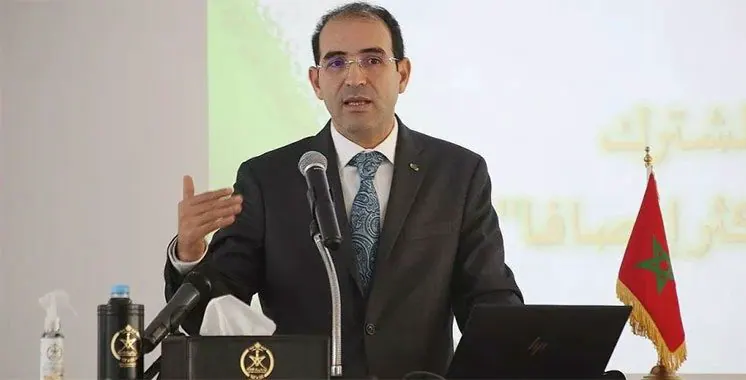
On September 23, 2026, in Doha, Morocco delivered a call to action at the 6th session of the Conference of States Parties to the Arab Convention against Corruption. Mohamed Benalilou, president of Morocco's National Authority for Integrity, Prevention, and Anti-Corruption (INPPLC), represented the Kingdom. He emphasized the need for a qualitative leap in Arab collective action against corruption. This leap would be grounded in the implementation of commitments, evaluation of outcomes, and strengthening of institutional cooperation.
The current landscape of corruption poses significant challenges. Risks are becoming increasingly complex, financial flows are more interconnected, and digital tools are evolving rapidly. In response, Benalilou highlighted the necessity of a collective response. This response should transform the Arab Convention from a common framework of commitments into an effective instrument. The goal is to protect development, consolidate the rule of law, and enhance trust in institutions.
The Arab Convention against Corruption aims to foster cooperation among its member states. It seeks to prevent and combat corruption through various measures. These include promoting integrity, enhancing transparency, and strengthening accountability. Morocco's call for action underscores the importance of moving beyond mere commitments. It advocates for concrete actions and tangible results in the fight against corruption.
Morocco's approach to combating corruption involves a multi-faceted strategy. This strategy includes strengthening institutional capacity, enhancing public awareness, and fostering international cooperation. By emphasizing the importance of evaluating outcomes, Morocco aims to ensure that efforts to combat corruption are effective and sustainable.
The Conference of States Parties to the Arab Convention against Corruption provides a platform for member states to share best practices. It allows them to discuss challenges and coordinate efforts to combat corruption. Morocco's participation in the conference reflects its commitment to regional cooperation in addressing this critical issue.
Corruption has significant implications for development and governance. It undermines trust in institutions, distorts markets, and deprives societies of essential services. By calling for enhanced cooperation and a focus on results, Morocco is contributing to a broader regional effort. This effort seeks to address the root causes of corruption and promote more transparent and accountable governance.
The outcome of the conference will likely influence the future direction of anti-corruption efforts in the Arab region. Morocco's advocacy for a more effective and sustainable approach to combating corruption may shape the strategies of other member states. As the region continues to grapple with the challenges of corruption, the importance of collective action and a focus on tangible results will remain paramount.
Key points
- Morocco calls for a qualitative leap in Arab collective action against corruption, focusing on the implementation of commitments and evaluation of outcomes.