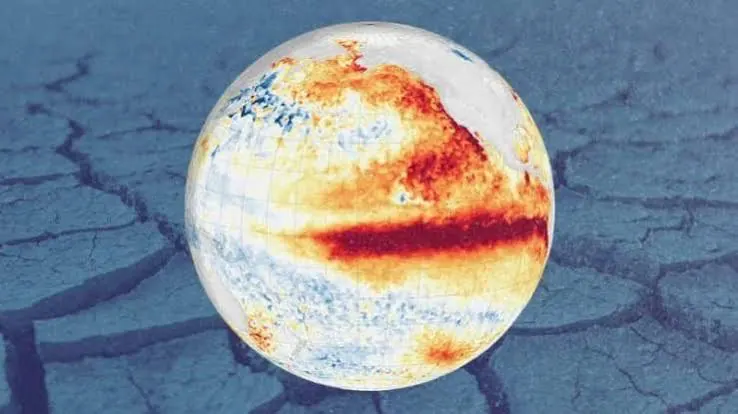
The world is bracing for the potential impacts of an exceptional El Niño cycle, with experts warning of unprecedented consequences. This phenomenon occurs when the surface temperature of the Pacific Ocean warms up more than usual, leading to extreme weather events. The last time a similar event occurred was in 1877, resulting in one of the deadliest climate disasters in history, with an estimated 50 million people losing their lives.
The term "El Niño" originated in the 17th century, when Peruvian fishermen noticed unusual warming of the Pacific Ocean waters around Christmas time. Under normal conditions, trade winds push warm surface water westward, but when these winds weaken, the warm water surges eastward, releasing massive amounts of energy into the atmosphere. This can lead to severe climate disruptions, including droughts and floods. The 1877 event saw Pacific Ocean temperatures rise by 3.5 degrees Celsius above normal, persisting for over a year.
The 1877 El Niño event had far-reaching consequences, causing monsoon rains to slow in India, northern China, northeastern Brazil, and parts of Africa. This led to crop failures and food insecurity, exacerbating the crisis. Human factors, including global trade and colonial policies, also played a significant role in the disaster. The British Empire's policies in India contributed to skyrocketing food prices, while the Qing dynasty in China struggled to respond to the crisis, leading to mass migration and the spread of diseases.
Although modern technology and satellite imaging have improved early warning systems, the current El Niño event coincides with global warming and significant pressure on supply chains and food systems. The crisis is further complicated by the impact of climate change on global food production and distribution. As the world prepares for the potential consequences of this exceptional El Niño cycle, the 1877 disaster serves as a stark reminder of the importance of community preparedness and economic resilience.
Morocco and other countries are closely monitoring the situation, with concerns about the potential impacts on agriculture, water resources, and economic stability. The government and international organizations are working together to develop strategies for mitigating the effects of the El Niño event, including early warning systems and emergency response plans. Climate change has become a pressing concern globally, with many countries seeking to reduce their carbon footprint and adapt to the changing climate.
The 1877 El Niño event provides a valuable lesson in the importance of understanding and preparing for extreme climate events. As the world faces the challenges of climate change, it is essential to learn from past experiences and work together to build more resilient communities. International cooperation and knowledge sharing can help countries prepare for and respond to climate-related disasters, reducing the risk of devastating consequences.
As the global community comes together to address the challenges posed by the current El Niño event, it is clear that climate change will require sustained attention and cooperation. By working together and sharing knowledge, countries can reduce the risks associated with climate-related disasters and build a more sustainable future. The experience of 1877 serves as a powerful reminder of the importance of preparedness and cooperation in the face of extreme climate events.
Key points
- Exceptional El Niño cycle may rival 1877 disaster that killed 50 million people
- Climate change and human factors exacerbate the impacts of El Niño events
- Global cooperation and knowledge sharing essential for building resilient communities