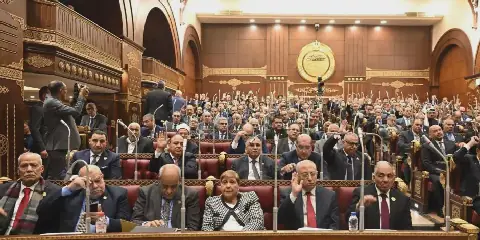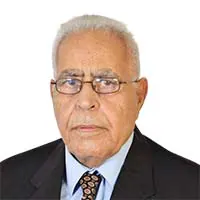
Morocco's King Mohammed VI has appointed Fatima Zahra Mansouri as the head of the country's new government. Mansouri, who won her third term representing the city of Marrakech, leads the party of Authenticity and Modernity (PAM), which emerged as the top party in recent parliamentary elections. This appointment follows a constitutional tradition in Morocco where the leader of the winning party is automatically tasked with forming a government.
The PAM party's victory in the elections signifies a shift in Moroccan politics, with the party seen as a key player in the country's future. Mansouri's appointment as the head of government is seen as a significant move towards gender equality in Moroccan politics. The new government's agenda will likely focus on addressing the country's economic and social challenges.
King Mohammed VI's decision to appoint Mansouri reflects his commitment to upholding Morocco's constitutional traditions. The monarch's role in appointing the head of government is a crucial aspect of the country's political system, which is modeled after the British parliamentary system. Mansouri's leadership will be closely watched as she navigates the complexities of Moroccan politics.
Mansouri's background and experience make her well-suited to lead the new government. As a seasoned politician, she has a deep understanding of Moroccan politics and the challenges facing the country. Her appointment is seen as a positive step towards increasing female representation in Moroccan politics.
The new government's priorities will likely include addressing Morocco's economic challenges, including high unemployment and corruption. Mansouri will need to work with various stakeholders to develop and implement policies that promote economic growth and social justice. Her success will depend on her ability to build coalitions and navigate the complexities of Moroccan politics.
The appointment of Mansouri as head of government has been welcomed by many Moroccans, who see it as a positive step towards greater gender equality in politics. The move is also seen as a reflection of King Mohammed VI's commitment to promoting women's rights and empowerment. Mansouri's leadership will be closely watched as she works to address the country's challenges.
The future of Morocco's government and politics will depend on the success of Mansouri's leadership. Her appointment marks a significant milestone in Moroccan politics, and her success will have implications for the country's future. Key challenges facing the new government include addressing economic and social issues, promoting greater transparency and accountability, and navigating the complexities of Moroccan politics.
Key points
- Morocco's King Mohammed VI appoints Fatima Zahra Mansouri as head of new government, marking a significant move towards gender equality in Moroccan politics.