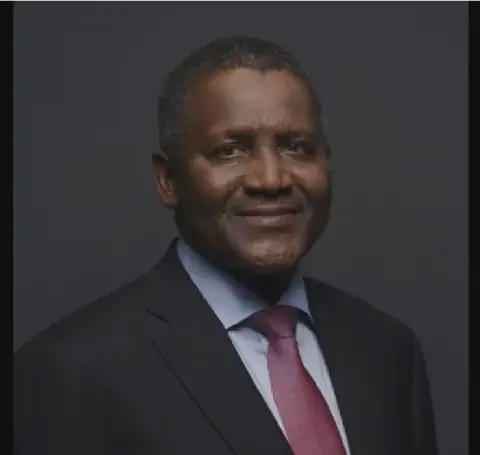
In a historic move, King Mohammed VI of Morocco has appointed Fatima Zahra El Mansouri as the country's first female prime minister. This appointment marks a significant milestone in Morocco's political history, as El Mansouri becomes the first woman to lead the country's executive branch. The appointment is seen as a major step forward for women's representation in Moroccan politics and a reflection of the country's commitment to promoting gender equality.
El Mansouri's appointment is not an isolated event, but rather the culmination of a long process of promoting women's rights and empowerment in Morocco. Since King Mohammed VI's accession to the throne, there have been numerous initiatives and reforms aimed at increasing women's participation in politics and public life. These efforts have included the introduction of laws and policies to promote gender equality, as well as the appointment of women to key positions in government and other institutions.
One of the key reforms introduced by King Mohammed VI was the revision of the Family Code in 2004, which improved the legal status of women and families in Morocco. Additionally, in 2007, a new nationality law was introduced, allowing Moroccan women to pass their nationality to their children on equal terms with men. These reforms have contributed to a significant increase in women's participation in politics and public life in Morocco.
El Mansouri's appointment as prime minister is also a reflection of her own experience and qualifications. She has a long history of involvement in politics and has held various positions in government and other institutions. Her appointment is seen as a recognition of her skills and abilities, as well as a testament to her commitment to public service.
The appointment of a female prime minister in Morocco is also significant in the international context. Despite progress in recent years, women remain underrepresented in leadership positions around the world. In many countries, including some of the world's most advanced democracies, women have only recently begun to break into top positions in government and politics.
Morocco's appointment of a female prime minister is also seen as a reflection of the country's commitment to achieving the Sustainable Development Goals (SDGs) by 2030. The SDGs include a goal to promote gender equality and empower women and girls, and Morocco has made significant progress in this area in recent years.
As Morocco looks to the future, the appointment of Fatima Zahra El Mansouri as prime minister is seen as a positive step forward for the country's development and progress. The country is set to host the 2030 World Cup, along with Spain and Portugal, and the appointment of a female prime minister is seen as a reflection of Morocco's commitment to promoting gender equality and empowering women and girls.
Key points
- Morocco appoints first female prime minister, Fatima Zahra El Mansouri, in a historic move that reflects the country's commitment to promoting gender equality and empowering women and girls.