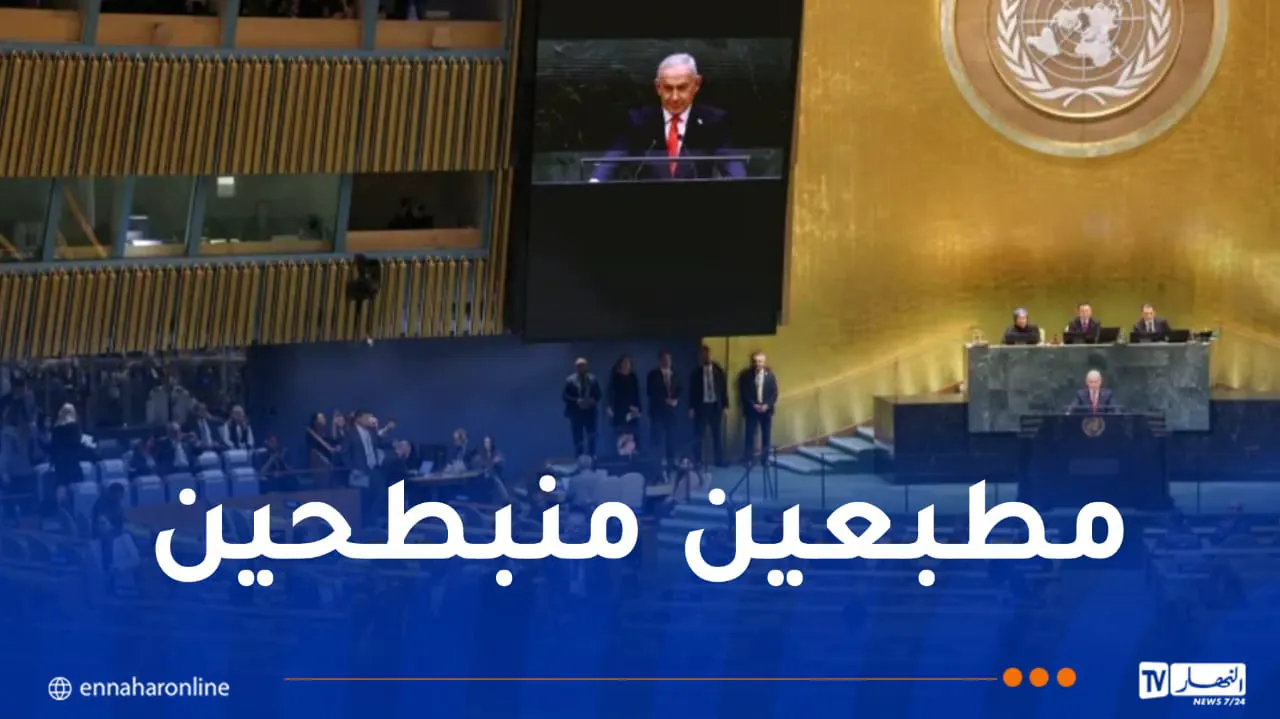
In a move that has sparked outrage, Morocco and the UAE have publicly supported Israeli Prime Minister Benjamin Netanyahu at the UN General Assembly. While 77 countries chose to withdraw from the hall in protest, the Moroccan and Emirati delegates remained seated, listening to and even applauding Netanyahu's speech. This display of solidarity with the Israeli leader has been widely criticized, with many viewing it as a betrayal of the Palestinian people.
The incident occurred during the 81st session of the UN General Assembly in New York, where Netanyahu was delivering a speech. Many countries, including several Arab and Islamic nations, chose to leave the hall in protest of Netanyahu's presence. However, the Moroccan and Emirati delegates, along with representatives from Bahrain, opted to stay and show their support for the Israeli leader. This move has been seen as a significant departure from the traditional Arab and Islamic stance on the Israeli-Palestinian conflict.
Moroccan Foreign Minister Nasser Bourita also sparked controversy with his speech at the UN General Assembly. Bourita focused on condemning Palestinian resistance, rather than addressing the humanitarian crisis in Gaza. His comments were seen as tone-deaf, given the devastating impact of the Israeli military campaign on civilians in Gaza. The Moroccan government's stance has been criticized by many, who argue that it has abandoned its historical support for the Palestinian people.
The UAE's support for Netanyahu has also been widely criticized. The Emirati delegation's decision to remain in the hall and listen to Netanyahu's speech was seen as a significant departure from the country's traditional stance on the Israeli-Palestinian conflict. The UAE has been actively seeking to strengthen its ties with Israel in recent years, including signing agreements on trade, investment, and defense. This has led to accusations that the UAE is betraying its Arab and Islamic heritage.
Netanyahu's speech at the UN General Assembly was marked by controversy, including his decision to display a pager device that was used during a 2024 Israeli military operation in Lebanon. The operation resulted in the deaths of 12 people and injured nearly 3,000 others, many of whom were civilians. The Israeli leader's decision to highlight this incident has been seen as a provocation, and his reception from the Emirati and Moroccan delegates has been widely criticized.
The incident has sparked widespread outrage across the Arab and Islamic world. Many have accused the Moroccan and Emirati governments of betraying their Arab and Islamic heritage, and of abandoning their support for the Palestinian people. The controversy has also raised questions about the future of Arab-Israeli relations, and the role of Morocco and the UAE in the region.
The fallout from the incident is likely to be significant, with many countries reevaluating their relationships with Morocco and the UAE. The two countries have been actively seeking to strengthen their ties with Israel in recent years, but this move has come at a significant cost. The incident has highlighted the deep divisions within the Arab and Islamic world, and has raised questions about the future of the Israeli-Palestinian conflict.
Key points
- Morocco and UAE delegates attend and applaud Netanyahu's speech at UN General Assembly
- Incident sparks outrage across Arab and Islamic world
- Controversy raises questions about future of Arab-Israeli relations