In 2018, Moroccan Foreign Minister Nasser Bourita denied rumors of Morocco's intention to normalize relations with Israel, calling them mere speculation. However, in 2020, Morocco and Israel announced the establishment of diplomatic relations. Recently, the two countries have taken a significant step in strengthening their ties, with the upgrading of their relations and the exchange of ambassadors. This development has sparked controversy and criticism, particularly among Moroccans who oppose normalization with Israel.
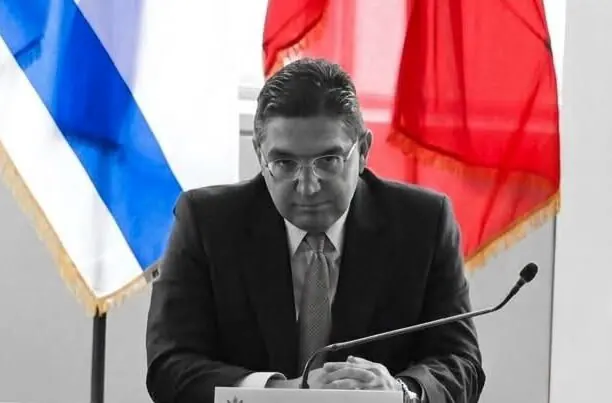
The recent ceremony in New York, where the agreement was signed, was attended by Bourita and Israeli officials. However, the images from the ceremony told a different story, with Bourita appearing subdued and lacking initiative. The photographs showed him sitting in a posture that suggested he was receiving instructions rather than engaging in a diplomatic exchange. This has led to speculation that Morocco is being pressured by its international partners, particularly the United States and Israel.
The agreement has significant implications for the Palestinian people, who continue to face occupation, aggression, and displacement. The normalization of relations between Morocco and Israel has been criticized for providing Israel with greater legitimacy and economic opportunities, while doing little to address the Palestinian issue. This has raised concerns among Moroccans and Palestinians alike, who see the agreement as a betrayal of the Palestinian cause.
The decision to upgrade relations with Israel has also sparked controversy in Morocco, where many citizens have taken to the streets to protest against normalization. For six years, Moroccans have been demonstrating against the government's decision to establish relations with Israel, citing concerns about the impact on the Palestinian people and the country's own interests.
The agreement has also highlighted the disconnect between the Moroccan government's rhetoric and its actions. While the government has consistently stated its support for the Palestinian people and their right to self-determination, its actions have told a different story. The normalization of relations with Israel has been seen as a betrayal of the Palestinian cause and a demonstration of the government's priorities.
Bourita has been criticized for his role in the normalization process, with many Moroccans seeing him as the architect of the country's new diplomatic relations with Israel. While he has presented the agreement as a strategic opportunity for Morocco, many have questioned the benefits of normalization and the costs to the country's relationships with other countries in the region.
The implications of the agreement are still unclear, but one thing is certain: the relationship between Morocco and Israel has changed forever. As the two countries begin to implement their new agreement, Moroccans and Palestinians will be watching closely to see how the situation unfolds. The key points to watch will be the impact on the Palestinian people, the economic benefits to Morocco, and the implications for regional stability.
Key points
- Morocco and Israel have agreed to upgrade their diplomatic relations and exchange ambassadors.
- The agreement has sparked controversy and criticism among Moroccans who oppose normalization with Israel.
- The implications of the agreement for the Palestinian people and regional stability remain to be seen.