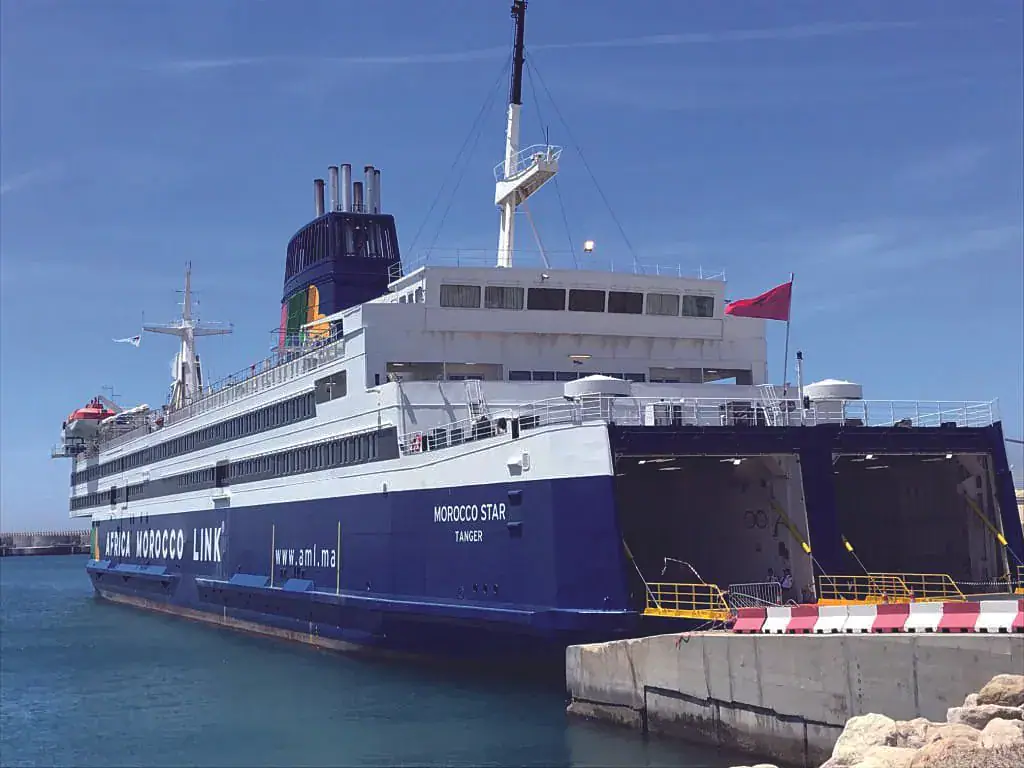
Morocco is seeking to regain control of its maritime trade by launching a national shipping fleet. The country's economy is heavily dependent on imports and exports, with over 95% of its foreign trade transiting through ports. However, the majority of this trade is carried out by foreign shipping companies, resulting in significant outflows of currency. In 2022, Morocco spent around $4 billion on maritime transport, with most of this amount benefiting foreign operators.
The Moroccan government has set an ambitious goal to develop a national shipping fleet, with 21 new ships to be launched by 2030. The plan, which has been endorsed by King Mohammed VI, aims to reduce the country's dependence on foreign shipping companies and boost its economic sovereignty. The project is expected to require an investment of around 3.4 billion dirhams and create over 1,200 jobs. The fleet will focus on transporting bulk goods such as phosphates, fertilizers, and hydrocarbons.
According to Najib Cherfaoui, an expert in port and maritime affairs, Morocco has previously demonstrated its ability to compete in the international maritime transport market. In 1985, Moroccan-flagged ships accounted for 23% of the country's import-export volume, with 7.36 million tons of cargo transported. Cherfaoui believes that with the right strategy and support, Morocco can regain its position in the market. He suggests that the government could provide guarantees to encourage private investment in the shipping sector.
The development of a national shipping fleet is seen as a key component of Morocco's economic strategy. The country's strategic location, with access to both the Atlantic Ocean and the Mediterranean Sea, makes it an ideal hub for trade between Europe, Africa, and the Middle East. The government is also investing in infrastructure, including the development of new ports and logistics facilities. The Tanger Med port, for example, is expected to play a major role in the country's maritime trade.
The Boston Consulting Group (BCG) has been commissioned to develop a strategy for the creation of a national shipping fleet. The BCG report identifies three key areas of focus: the transport of bulk goods, the development of a RoRo and RoPax fleet, and the creation of a national shipping company. The report also highlights the need for Morocco to develop a supportive regulatory framework and to invest in training and education for the maritime sector.
The launch of the national shipping fleet is expected to have significant economic benefits for Morocco. According to estimates, the fleet could generate annual revenues of around 3.6 billion dirhams and create over 1,200 jobs. The project could also help to reduce the country's trade deficit and boost its economic growth. The government is expected to provide support for the project, including guarantees and subsidies, to encourage private investment.
The development of a national shipping fleet is a long-term goal for Morocco, and the government faces significant challenges in achieving this objective. The country's maritime sector has declined significantly since the 1990s, and there is a need to rebuild the industry and develop new skills. However, with the right strategy and support, Morocco has the potential to become a major player in the global maritime trade market.
Key points
- Morocco aims to launch a national shipping fleet with 21 new ships by 2030.
- The project is expected to require an investment of around 3.4 billion dirhams and create over 1,200 jobs.
- The development of a national shipping fleet is seen as a key component of Morocco's economic strategy to boost its economic sovereignty.
Reporting sources
- Flotte maritime: le Maroc prépare son grand retour en mer · Challenge Hebdo