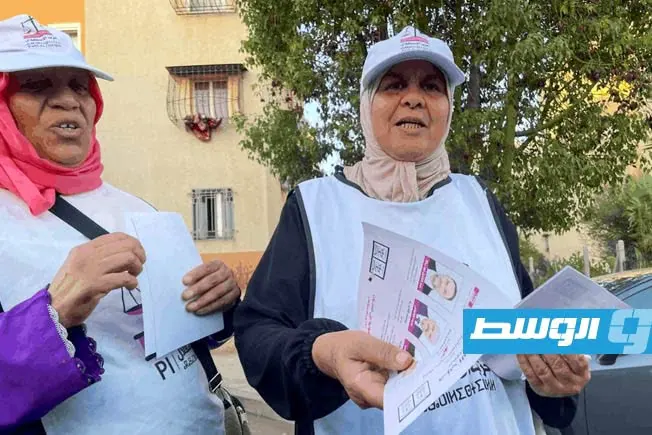
Moroccans are voting in parliamentary elections that will determine the shape of the government overseeing the country's preparations to host the 2030 World Cup. The elections come as the country is investing heavily in infrastructure, including stadiums, railways, and other projects, in preparation for the tournament. The government has allocated around $20 billion for the preparations, which is expected to boost the country's economy.
The current government, led by Prime Minister Aziz Akhannouch, has promised to create around one million jobs and improve living standards. However, the country is facing challenges, including high unemployment and inflation, which have led to protests and social unrest. The elections are seen as a test of the government's popularity and its ability to address the country's economic and social challenges.
The ruling coalition, led by the National Rally of Independents and the Authenticity and Modernity Party, is expected to maintain its majority in the 395-seat parliament. However, the opposition, including the Islamist Justice and Development Party, is hoping to make gains. The elections are also seen as a test of the country's democratic institutions, which have been strengthened since the Arab Spring protests in 2011.
The country's monarch, King Mohammed VI, has significant powers, including control over foreign policy and defense. However, the parliament has more authority than in the past, and the elections are seen as an important step in the country's democratic development. The voter turnout, particularly among young people, will be closely watched as an indicator of citizens' engagement and trust in the elected institutions.
Around 27 million Moroccans are eligible to vote, but only 15.8 million are registered to vote, a decrease of around 12% compared to the 2021 elections. The elections are being closely watched by international observers, who are interested in the country's democratic development. The results are expected to be announced on Thursday.
The country's preparations for the 2030 World Cup are underway, with significant investments in infrastructure. The tournament is expected to boost the country's economy and improve its international profile. However, the country still faces significant challenges, including high unemployment and social unrest.
The elections are a crucial step in the country's democratic development, and the results will have significant implications for the country's future. The new government will have to address the country's economic and social challenges, while also overseeing the country's preparations for the 2030 World Cup.
Key points
- The elections will determine the shape of the government overseeing Morocco's preparations to host the 2030 World Cup.
- The government has allocated around $20 billion for the World Cup preparations.
- The elections are seen as a test of the government's popularity and its ability to address the country's economic and social challenges.