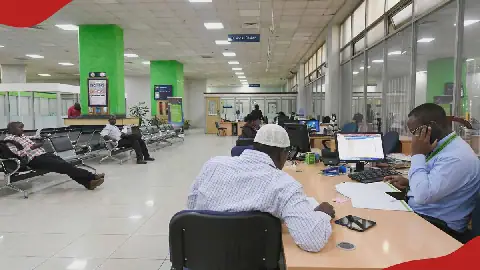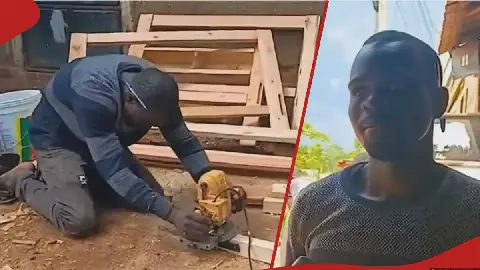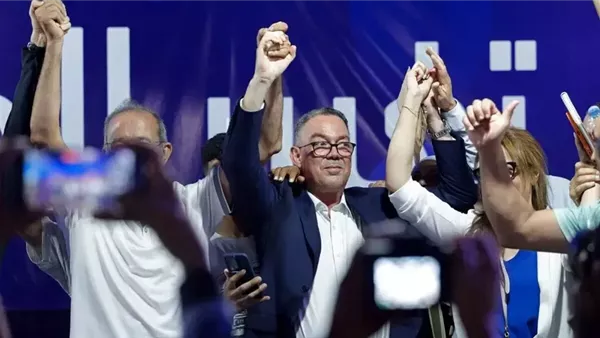
Moroccans are voting on Wednesday in parliamentary elections that will determine the shape of the government overseeing the country's preparations to host the 2030 World Cup. The elections come as the country is set to invest $20 billion in various projects. The vote is also seen as a test of the government's ability to address growing discontent among young Moroccans.
The elections are not expected to bring about a significant shift in the balance of power in Morocco, with the monarch holding extensive powers in determining the country's political direction and foreign policy. However, the new parliament will be tasked with implementing initiatives focused on addressing youth discontent, which has manifested in recent protests and attempts to cross into Spanish territory.
The current government is a coalition of three parties, including two founded by men close to the royal palace. They ousted a moderate Islamist party that had come to power after the Arab Spring protests in 2011. Those protests had led to the parliament being given more powers, but the monarch has since reasserted control over areas such as foreign affairs and the interior ministry.
Under the 2011 constitution, the monarch appoints the prime minister from the party that wins the most seats in the 395-member parliament. The prime minister must then negotiate to form a coalition government and present a list of ministers for the monarch's approval. The polls opened at 8am GMT and will close at 7pm local time.
The voter turnout, particularly among young people, will be closely watched as an indicator of citizens' engagement and trust in elected institutions. There are around 27 million eligible voters in Morocco, but only 15.8 million are registered to vote, a decline of nearly 12% compared to the 2021 elections.
The new parliament will have to navigate the country's complex politics and address the concerns of young Moroccans, who have been at the forefront of recent protests. The elections come as Morocco is preparing to co-host the 2030 World Cup with Spain and Portugal, a major undertaking that is expected to boost the country's economy.
The results of the elections are expected to be announced on Thursday, and it remains to be seen how the new parliament will address the country's challenges. The government has promised to prioritize job creation, economic growth, and social development, but it will have to navigate the complex web of Moroccan politics to deliver on these promises.
Key points
- The elections will determine the shape of the government overseeing Morocco's preparations to host the 2030 World Cup.
- The new parliament will have to address growing discontent among young Moroccans.
- The monarch retains extensive powers in determining the country's political direction and foreign policy.