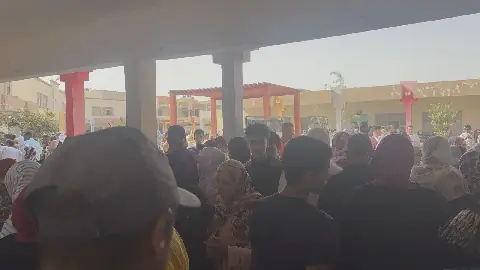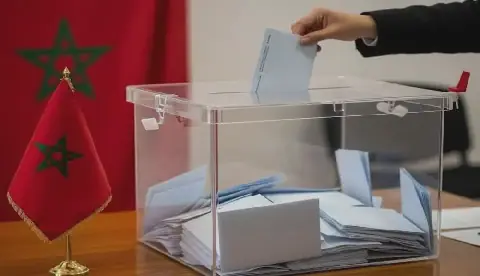
Moroccans went to the polls on Wednesday to elect a new parliament, with voters focused on addressing pressing economic concerns. The cost of living, employment, and inequality are at the forefront of the election campaign, amid widespread distrust of political parties. Nearly 16 million Moroccans have registered to elect 395 members of the House of Representatives. Polling stations opened at 8 am and were set to close at 7 pm, with preliminary results to be announced overnight.
Turnout, especially among the youth, will be a key test of the election. Only a slim 4 percent of registered voters aged 18 to 24 had cast their ballots as of the early hours of voting. At a polling station in the capital Rabat, a dozen people turned up to cast their ballot as soon as it opened. A 42-year-old voter, who wished to remain anonymous, said they came to vote in the hope that the situation will change for the better.
Morocco's prime minister is appointed by the king from the party that wins the most seats. The premier then forms a government for a five-year term, but the monarch retains control of major policy decisions. The vote comes less than two months after a mass rush of mainly young Moroccan migrants into the neighbouring Spanish enclave of Ceuta, which heightened tensions between Rabat and Madrid.
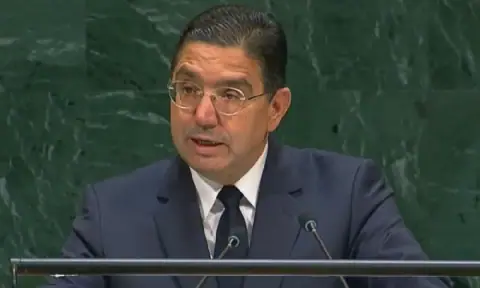
The National Rally of Independents (RNI), currently heading the governing coalition, is among the favourites to win the most seats. Prime Minister Aziz Akhannouch led his party's campaign, despite stepping down as head of the RNI. Akhannouch has defended his government's record, including expanding social security coverage, and promised the RNI will do more if re-elected.
The RNI's main rival is the Authenticity and Modernity Party (PAM), which has recruited popular figures such as Budget Minister Fouzi Lekjaa. The PAM has pledged higher wages and better purchasing power, with Lekjaa saying the party wants to make young people a force capable of bringing added value. However, the PAM has no clear leader and has been hit by a corruption scandal.
Other parties in contention include Istiqlal, a right-wing party led by equipment minister Nizar Baraka, and the Islamist opposition's Justice and Development Party. The Justice and Development Party has centred its campaign on fighting corruption, while also campaigning against inheritance equality and the decriminalisation of extramarital consensual sexual relations.
The election outcome will have significant implications for Morocco's future, with the country's economic challenges and youth discontent key issues to be addressed. The new parliament will play a crucial role in shaping the country's policies and addressing the concerns of its citizens. The preliminary results of the election are expected to be announced overnight, with the final outcome expected to be known in the coming days.
Key points
- The cost of living, employment, and inequality are top issues in the Moroccan parliamentary elections.
- The National Rally of Independents and the Authenticity and Modernity Party are among the favourites to win the most seats.
- The election outcome will have significant implications for Morocco's future, with the country's economic challenges and youth discontent key issues to be addressed.