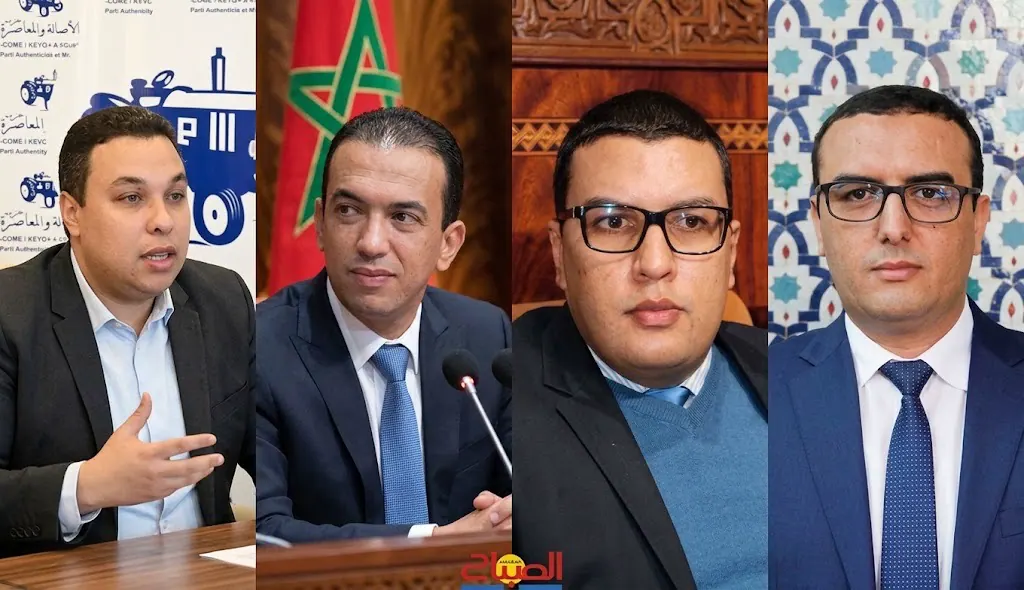
The formation of Morocco's next government has sparked debate about the inclusion of young people, who make up over a third of the population. As parties finalize their proposed ministerial lists, a previous political precedent set by two different parties has garnered attention. The Authenticity and Modernity Party (PAM) and the Independence Party have taken different approaches to integrating youth into their ranks. The PAM's decision to appoint Lahcen El Saadi, head of its youth wing, as a minister was seen as a bold move to rejuvenate the party.
The PAM's move was followed by the Justice and Development Party (PJD), which had previously bet on Mohamed Amkraz, former head of its youth wing, as Minister of Labor. This decision reinforced the idea that youth are not only a demographic to be courted during election campaigns but also a pool of potential future ministers. Today, two major parties, the PAM and the Independence Party, are under scrutiny for their promises to youth, having presented detailed programs during their election campaigns that pledged jobs, dignity, and political participation.
The PAM faces an additional challenge given past controversies, including the "genius" Salah Eddine Abbakri, head of the PAM's youth organization. Abbakri's appointment as a minister, despite concerns and allegations surrounding his involvement in certain deals, may be seen as a message from the PAM tolerating corruption. On the other hand, the Independence Party's Mansour Mubarki, head of its youth wing, emerges as one of the prominent young figures who have made a name for themselves in the Council of Advisors.
Mubarki has revitalized the Independence Party's youth wing with dynamic leadership, restoring the connection between the party and its young members. He represents a new generation of Independence Party members who are well-versed in the party's ideology and open to modernity. His potential appointment as a minister would signal the party's commitment to rejuvenating its leadership, as called for by its Secretary-General, Nizar Baraka.
The crucial question remains whether the leadership of the PAM and the Independence Party will have the courage to endorse their youth wing leaders in ministerial positions. Will they translate their election promises of "trust in youth" into tangible actions, or will these pledges remain empty rhetoric? The appointments will be closely watched as a test of the parties' commitment to integrating young people into decision-making roles.
The issue of youth inclusion in government is particularly relevant given that parties have often championed youth causes during election campaigns. The implementation of their promises will be a key indicator of their priorities and commitment to demographic change. As Morocco's next government takes shape, the extent to which young people are represented will provide insight into the country's political future.
Ultimately, the appointments of young leaders to ministerial positions would not only reflect the parties' internal dynamics but also their vision for Morocco's future. It would demonstrate whether they are serious about fostering a new generation of leaders and engaging young people in the country's political and social life. The coming days will reveal whether these parties will seize the opportunity to make a meaningful difference in the lives of Moroccan youth.
Key points
- The formation of Morocco's next government will test parties' commitment to youth inclusion.
- The PAM and Independence Party face scrutiny over their promises to youth.
- Youth appointments to ministerial positions will signal parties' priorities and commitment to demographic change.