In Morocco, a new generation is emerging with different priorities and expectations, leading to a decline in interest in traditional politics. This shift has raised questions about the future of the country's democratic process and the role of young people in shaping its trajectory. The disengagement of Moroccan youth from politics is a complex issue, with multiple factors contributing to this trend. To understand the root causes, it is essential to examine the changing values and aspirations of young Moroccans.
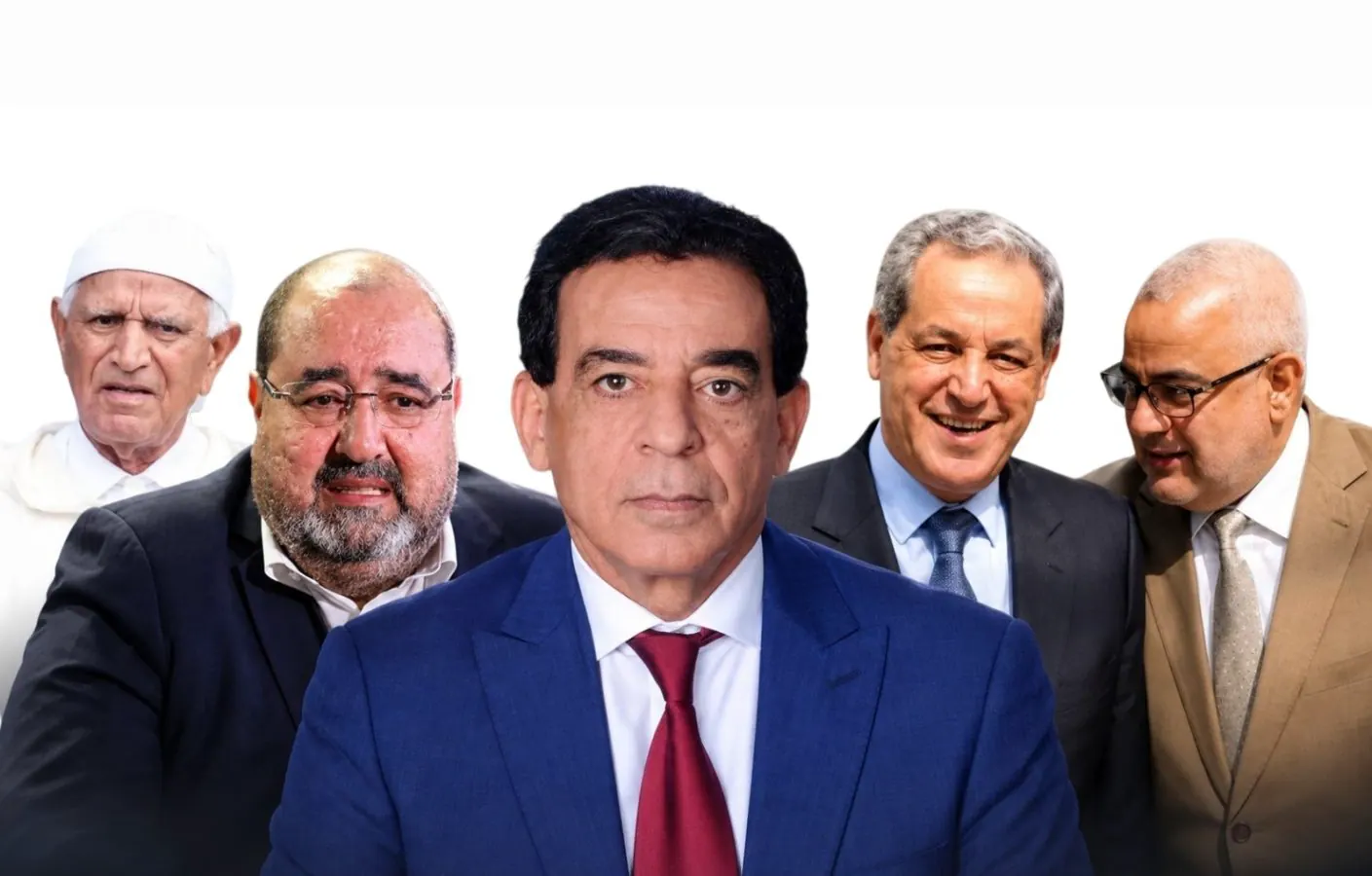
Historically, Moroccan politics has been dominated by older generations, with many prominent politicians and leaders emerging from the country's independence movement. However, the current generation of young people has grown up in a different era, with access to education, technology, and global influences that have shaped their worldview. As a result, they are increasingly disillusioned with traditional politics and the established parties that have dominated the country's political landscape for decades. This disillusionment is reflected in low voter turnout and a lack of interest in joining political parties or participating in electoral processes.
The reasons behind this disengagement are multifaceted. One key factor is the perception that traditional politics is out of touch with the concerns and aspirations of young people. Many Moroccans feel that the current political system is dominated by older generations, who are perceived as being out of touch with the needs and priorities of young people. Additionally, the country's education system and civic engagement initiatives have been criticized for failing to provide young people with the skills and knowledge necessary to participate effectively in the political process.
To address this issue, many argue that Moroccan politics needs to be revitalized to appeal to young people. This could involve introducing new forms of civic engagement, such as online platforms and social media campaigns, to encourage young people to participate in the political process. Additionally, there is a need for greater representation of young people in decision-making positions, both within government and in civil society organizations. By providing young people with a greater sense of ownership and agency, it may be possible to reverse the trend of disengagement and create a more inclusive and representative political system.
The role of political parties in engaging young people is also critical. Many parties have traditionally relied on established networks and clientelist relationships to mobilize support, rather than engaging in meaningful dialogue with young people or addressing their concerns. However, there are signs that some parties are beginning to adapt to changing circumstances, with a growing recognition of the need to engage with young people and address their priorities. For example, some parties have established youth wings or introduced new policies aimed at promoting youth participation.
Ultimately, the future of Moroccan politics will depend on its ability to adapt to the changing needs and aspirations of young people. By engaging with young people and addressing their concerns, it may be possible to create a more inclusive and representative political system that reflects the diversity and complexity of Moroccan society. This will require a fundamental shift in the way that politics is conducted in Morocco, with a greater emphasis on participation, transparency, and accountability.
As Morocco looks to the future, it is clear that the country's politics will need to evolve to remain relevant and effective. The disengagement of young people from politics is a pressing concern, but it also presents an opportunity for renewal and reform. By listening to the voices of young people and addressing their priorities, Morocco can build a more vibrant and inclusive democracy that reflects the needs and aspirations of all its citizens.
Key points
- Moroccan youth are disengaging from traditional politics due to a perception that it is out of touch with their concerns and aspirations.
- To reverse this trend, Moroccan politics needs to be revitalized to appeal to young people, with a greater emphasis on participation, transparency, and accountability.
- The role of political parties in engaging young people is critical, and some parties are beginning to adapt to changing circumstances by establishing youth wings or introducing new policies aimed at promoting youth participation.