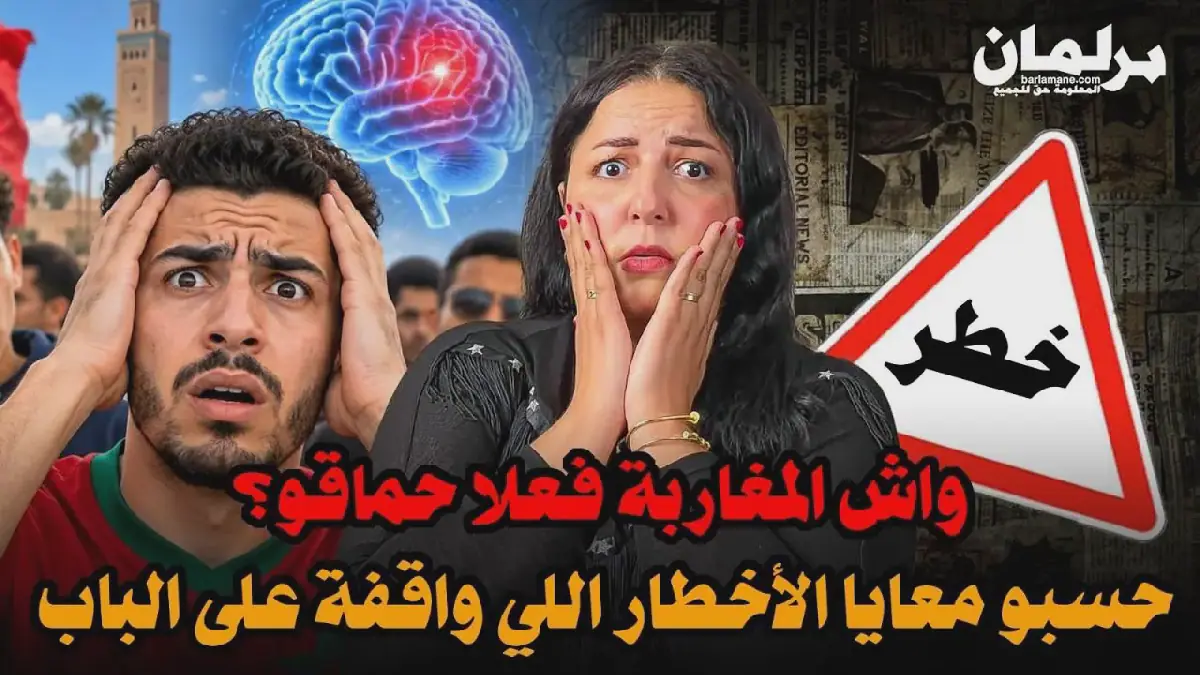
A recent episode of the Moroccan TV program "Dierha Ga Zouina" focused on various social, economic, and political issues affecting the country. Host Badrieh Attallah discussed the alarming rates of mental health issues, citing statistics that 48.9% of individuals over 15 years old have experienced mental health disorders. She also highlighted the limited resources available to address these issues, including a shortage of specialized human resources and a high number of patients not receiving treatment.
The program also touched on the connection between mental health issues and violent behavior in public spaces, including incidents related to drug use and reckless driving. Attallah called on families and educational institutions to play a role in prevention, awareness, and cooperation with security services. Additionally, she discussed the issue of begging and the proliferation of individuals soliciting help on streets and at traffic intersections.
The host also criticized the education and healthcare sectors, citing disparities in the quality of educational services and access to healthcare. She argued that the multiple education systems and varying resources perpetuate inequalities among Moroccan citizens. Attallah also expressed concerns about the healthcare system, including high medical examination costs and inadequate compensation, as well as the prevalence of malpractice and conflicts of interest.
The program also explored the issue of the informal economy and the circulation of cash outside of banks. Attallah suggested that the continued reliance on cash transactions reflects concerns about tax monitoring and access to funds. She also compared the food situation in Morocco and Algeria, highlighting the potato crisis and the prosecution of middlemen and speculators in Algerian markets.
The episode also examined the government's support for the road transport sector, with Attallah criticizing the decision to increase support by 60%. She questioned the beneficiaries of public funds and the impact on citizens. Furthermore, she discussed the growing conflicts within the government majority and coalition parties, including disputes over influence, positions, and responsibility.
The program also addressed the situation of parliamentarian and lawyer Mohamed Sbari, discussing his professional and judicial background, including his role as a lawyer and his previous positions on the Western Sahara issue. Attallah called for clarification on some of his statements and positions.
The episode concluded with a preview of future discussions, including an examination of healthcare and pharmaceutical deals, based on documents and data that Attallah claimed would reveal aspects worthy of discussion and accountability. The program aims to shed light on pressing issues affecting Moroccan society and to encourage debate and scrutiny.
Key points
- The program highlighted the need for improved mental health resources and support in Morocco.
- The host criticized the education and healthcare sectors, citing disparities and inefficiencies.
- The program also explored issues related to the informal economy and government support for the road transport sector.