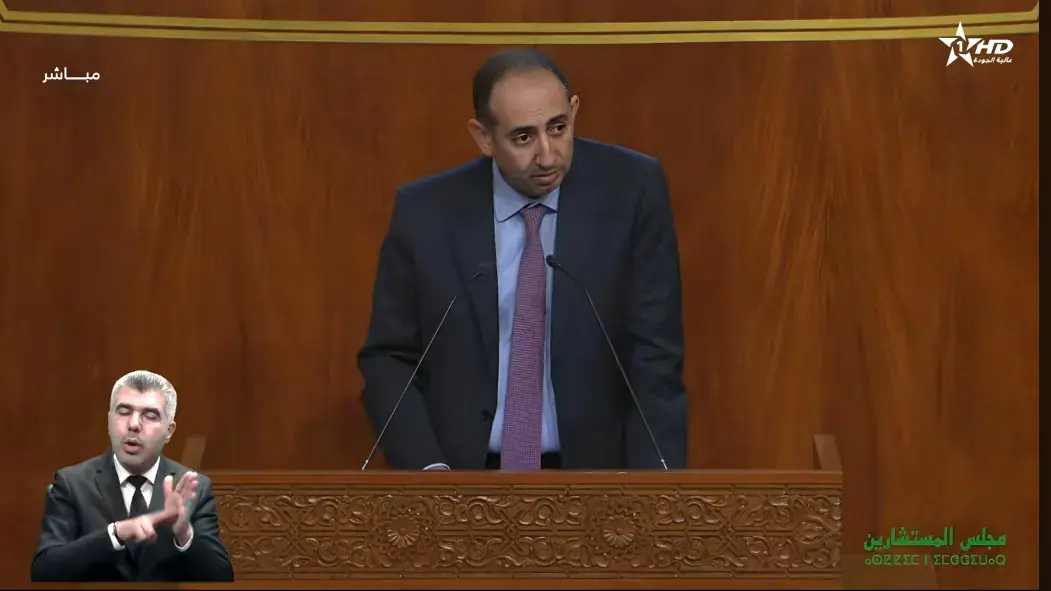
Moroccan Tourism Minister Jalal Charaf recently addressed a controversy surrounding his comments on the accessibility of Marrakech's tourism industry. At a Chamber of Councillors meeting, Charaf clarified his previous statements, emphasizing that Marrakech is not exclusively for the wealthy. He stressed that the city belongs to all Moroccans and that its tourism offerings should cater to a wide range of visitors. Charaf's remarks aimed to nuance the discussion around Marrakech's tourism sector.
The controversy arose from misinterpretations of Charaf's comments on the city's tourism offerings. Some commentators had suggested that Marrakech was only accessible to the rich, which Charaf disputed. He highlighted the need to develop more tourism products for the middle class. By doing so, Charaf aims to make Marrakech a more inclusive destination for Moroccan and international visitors alike. This approach aligns with the government's efforts to promote sustainable tourism practices.
Charaf's statements reflect the government's commitment to enhancing Morocco's tourism sector. The Ministry of Tourism, Handicrafts, and Solidarity Economy has been working to accelerate 200 territorial projects, with a total investment of 3.5 billion Moroccan dirhams (MDH). These initiatives aim to develop the country's tourism infrastructure and improve the overall visitor experience. By focusing on inclusive and sustainable tourism, Morocco hopes to attract a broader range of visitors.
The minister's emphasis on middle-class tourism offerings is crucial for Morocco's economic development. The tourism sector plays a significant role in the country's economy, and Charaf's approach seeks to maximize its benefits for local communities. By promoting accessible tourism, the government aims to create jobs, stimulate economic growth, and preserve Morocco's cultural heritage. This strategy is part of a broader effort to diversify the country's economy and reduce its dependence on traditional industries.
Charaf's comments also reflect the government's focus on territorial development. The minister has stressed the importance of justice and territorial equity in the distribution of investment. This approach is reflected in the 2027 finance bill, which allocates 90% of the Ministry of Tourism's budget to investment. By prioritizing territorial development, the government aims to reduce regional disparities and promote economic growth in underdeveloped areas.
The controversy surrounding Charaf's comments highlights the challenges of communicating complex policy issues. The minister's clarification demonstrates the government's commitment to transparency and public engagement. By addressing concerns and providing accurate information, Charaf aims to build trust with the public and stakeholders. This approach is essential for promoting Morocco's tourism sector and attracting investment.
The incident also underscores the significance of accurate reporting and responsible communication. Misinterpretations of Charaf's comments could have had negative consequences for Morocco's tourism industry. By setting the record straight, the minister has helped to maintain confidence in the sector and promote a more nuanced understanding of Marrakech's tourism offerings. The government's efforts to develop accessible and sustainable tourism will continue to shape the country's economic development.
Key points
- Moroccan Tourism Minister Jalal Charaf clarifies remarks on Marrakech accessibility.