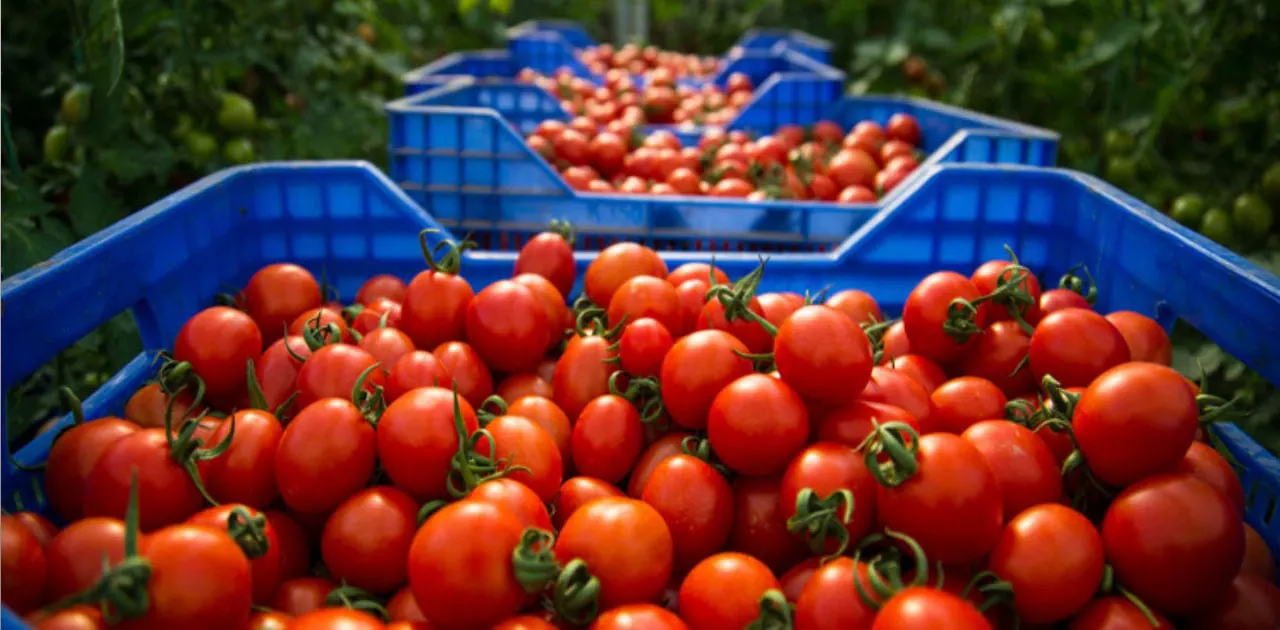
The Moroccan tomato campaign for 2026-2027 is experiencing a slow start. The area planted with round tomatoes has decreased by 10 to 15 percent compared to previous years. Additionally, the production start has been delayed by 10 to 15 days, typically beginning in early October. This delay is attributed to high temperatures in August, which reached up to 45 degrees Celsius, weakening young plants and potentially impacting early campaign yields.
Climate and irrigation issues are affecting the tomato campaign. The high temperatures in August have had a lasting impact on the plants. Furthermore, irrigation difficulties are being faced in certain areas. The Massa perimeter is awaiting the completion of pipeline rehabilitation work. The Chtouka desalination plant has experienced interruptions lasting over 10 days, forcing farms to rely on costly truck deliveries of water.
The water used for irrigation has also become more saline in some areas, posing another challenge to farmers. These factors may influence the overall performance of the campaign. However, Moroccan tomato exports have shown resilience. From January to May, the country exported around 243 million kilograms of tomatoes, valued at approximately 539 million euros.
Morocco holds a strong position in the global tomato export market. The country ranks second, after Spain, which exported 599 million euros worth of tomatoes during the same period. Morocco is ahead of the Netherlands, a significant player in the market. The competitive landscape is evolving, with Spanish producers in Almeria facing high costs and ongoing health pressures.
Spanish producers are shifting their focus towards specialty tomato varieties, increasing competition with Moroccan and Turkish offerings in the value-added segments. Morocco is also upgrading its tomato production. The outcome of the current campaign will largely depend on weather conditions in the coming weeks and the full restoration of irrigation infrastructure in the Massa perimeter.
Farmers have limited control over these critical factors. The situation requires close monitoring to assess the campaign's progress and potential impact on the industry. Despite these challenges, Morocco's tomato sector has demonstrated its capacity to adapt and maintain a strong export performance.
The sector's ability to navigate these difficulties will be crucial in determining the campaign's success. With the right conditions, Moroccan tomato producers can capitalize on their strengths and continue to compete effectively in the global market. Key factors, such as favorable weather and efficient irrigation systems, will play a significant role in achieving this goal.
Key points
- Morocco's tomato campaign faces challenges due to climate change and irrigation issues.
- The country's tomato exports remain strong, with 243 million kilograms exported between January and May.
- The competitive landscape is shifting, with Spanish producers moving towards specialty varieties.