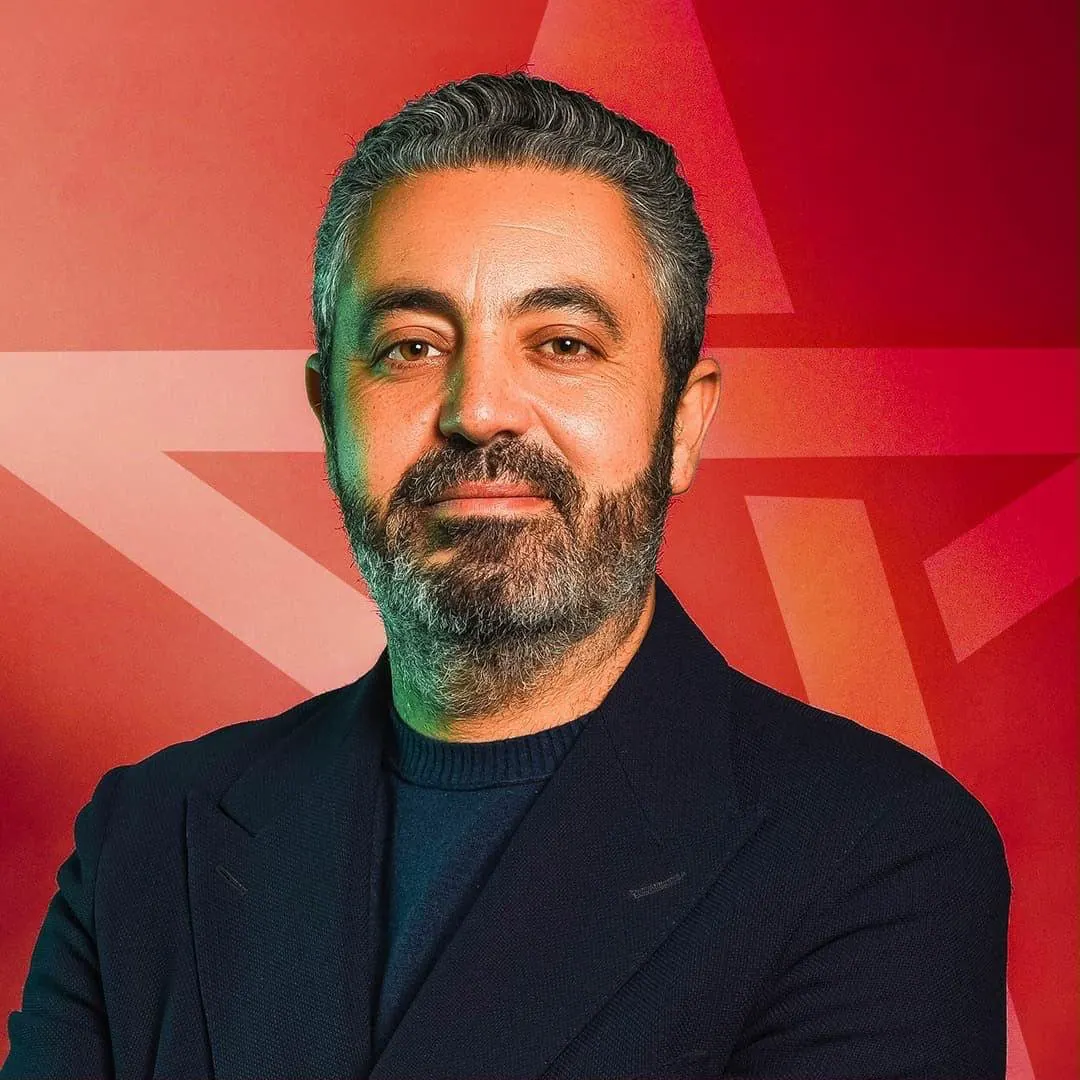
The Moroccan delivery market is undergoing a significant transformation, driven by the growth of e-commerce and digitalization. According to Omar Alami, CEO of ORA Technologies, the focus is shifting from merely increasing volumes to building a sustainable and economically viable model. ORA Technologies is developing several key platforms, including Kooul, Cathedis, ORA Cash, and Babaa, to create an integrated technological ecosystem.
The Moroccan delivery market is still in its early stages but has already changed consumer and merchant habits. Alami believes that this transformation is only just beginning. ORA Technologies aims to create a comprehensive technological ecosystem that addresses multiple aspects of the digital economy. The company's vision is centered around the concept of "E-Morocco for everyone," which involves creating Moroccan technological companies that can serve the local market and eventually become regional champions.
The main cost factors affecting delivery operators in Morocco include human resources, fleet management, fuel, maintenance, and technology. However, Alami emphasizes that the key to success lies in achieving overall economic efficiency. ORA Technologies has opted for a balanced economic model, with a 10% commission on restaurant sales, attractive delivery personnel remuneration, and competitive meal prices for consumers. This approach aims to create a sustainable and equitable model.
The growth of e-commerce and digital transformation are driving the expansion of the delivery sector. The increasing adoption of digital services by Moroccan consumers and businesses is a significant growth driver. ORA Technologies' integrated model, which combines commerce, payment, delivery, logistics, and digital services, is well-positioned to capitalize on this trend. The company's vision is centered around building a Moroccan technological ecosystem that can create jobs, promote local talent, and contribute to the national economy.
The delivery sector in Morocco is highly competitive, with several players vying for market share. Alami believes that success will depend on creating a sustainable and profitable economic model. This involves achieving operational efficiency, controlling costs, and building strong relationships with clients and merchants. ORA Technologies aims to demonstrate that a Moroccan company can be competitive against international players while creating significant local value.
ORA Technologies is investing heavily in technology, artificial intelligence, and customer acquisition to drive growth. The company's Kooul platform already has over 25,000 regular monthly clients. The goal is to expand the platform and create a comprehensive technological ecosystem that covers multiple aspects of the digital economy. The company aims to create thousands of direct and indirect jobs, develop local technological skills, and establish itself as a major player in the region.
ORA Technologies' ambitions extend beyond the Moroccan market. The company aims to create a group of Moroccan technological champions that can compete internationally. Alami emphasizes that the goal is not simply to become a major player in the Moroccan delivery market but to contribute to the development of a sovereign Moroccan technological ecosystem. The company's vision is centered around creating value locally and promoting Moroccan talent.
Key points
- ORA Technologies aims to create an integrated Moroccan technological ecosystem with Kooul, Cathedis, ORA Cash, and Babaa.
- The company is investing in technology, artificial intelligence, and customer acquisition to drive growth.
- ORA Technologies aims to create thousands of jobs and establish itself as a major player in the region.