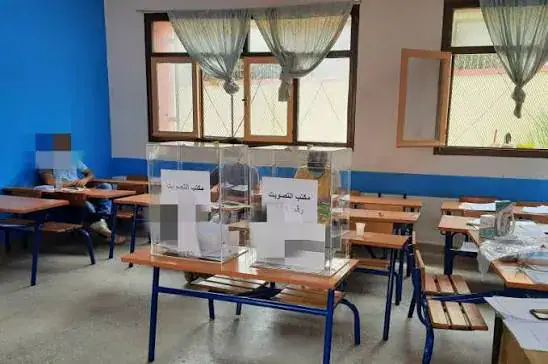
In the aftermath of Morocco's 2026 elections, teachers have returned to their schools to find classrooms in disarray. The usual tidy and organized spaces have given way to scattered desks, chairs, and trash, including leftover food and torn papers. This stark contrast to the expected orderly environment has left educators and students disheartened. The situation highlights a broader issue of responsibility and respect for educational institutions.
The expectation for those who utilized the school facilities during the elections was to leave them in the same condition as they were found. However, it appears that this did not occur, leaving teachers and students to deal with the consequences. Instead of focusing on their lessons, educators are now forced to spend time cleaning up and organizing the classrooms. This added responsibility takes away from their primary role of teaching and has sparked frustration among the educational community.
Fatima Zahra Mansouri, a prominent figure, has made statements regarding alliances and the political landscape but has not directly addressed the classroom conditions. Meanwhile, the leader of the Authenticity and Modernity Party (PAM), Aziz Rabbah, has congratulated his party on its performance in the elections. The PAM's success has been notable, but the issue of classroom conditions remains a pressing concern for the education sector.
The situation in Moroccan schools underscores the importance of maintaining respect for educational institutions. Schools are not merely venues for events but sacred spaces for learning that demand care and attention. Those who use these facilities must ensure they are left in good condition for future users. The responsibility for this upkeep is clear, and it is essential that measures are taken to prevent such situations in the future.
Teachers are not demanding the impossible; they simply expect to find their classrooms ready and organized as they left them. It is reasonable to expect that before a school is used for any event, there should be a clear commitment to restoring everything to its original state. This includes ensuring that classrooms are clean, desks are arranged properly, and all materials are in order.
The impact of neglected classrooms extends beyond the immediate inconvenience to students and teachers. It can affect the learning environment and the overall educational experience. A disorganized and dirty classroom can hinder a student's ability to learn and a teacher's ability to teach effectively. Therefore, it is crucial that the responsible parties take action to address this issue and prevent it from recurring.
Ultimately, the issue of post-election classroom conditions in Morocco highlights the need for greater accountability and respect for educational institutions. By ensuring that schools are treated with the care and respect they deserve, Morocco can work towards providing a better educational environment for its students. This involves not only addressing the immediate concerns but also implementing measures to prevent similar situations in the future.
Key points
- Moroccan teachers face challenges in maintaining a conducive learning environment due to post-election neglect of classrooms.
- The issue highlights the need for accountability and respect for educational institutions in Morocco.
- Ensuring classrooms are clean and organized is crucial for effective teaching and learning.