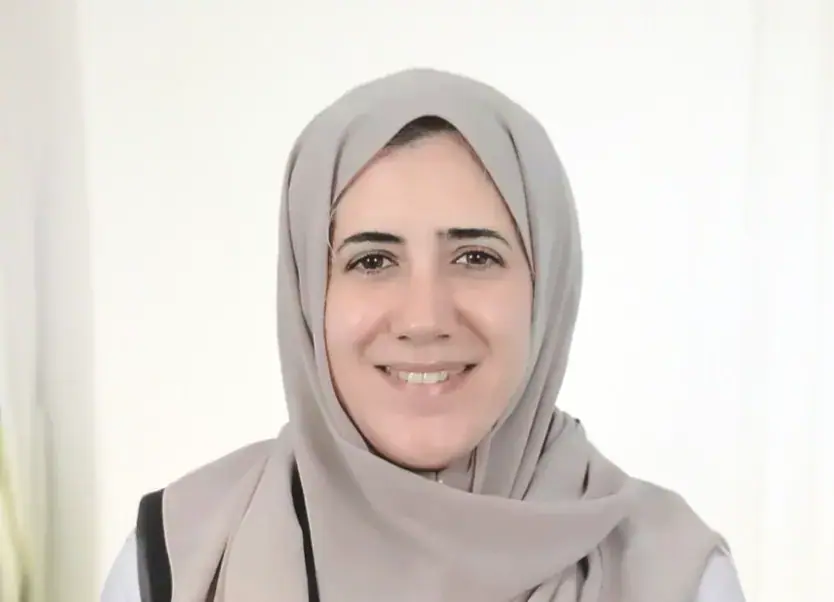
Moroccan startups are facing significant challenges in scaling up their businesses, despite the availability of various public and private funding initiatives. According to Zineb Rharrasse, co-founder and general manager of StartUp Maroc, the main bottleneck lies in the transition to large-scale development. While there are numerous funding options, including grants, loans, and venture capital, startups struggle to articulate and sequence these resources effectively to achieve sustainable growth.
Rharrasse notes that the funding landscape in Morocco has improved, with a range of instruments available to support startups at different stages of development. However, the challenge lies in the conversion of these resources into sustainable capacities, such as building a strong team, establishing a solid organization, and generating revenue. This requires strategic choices, specific skills, and execution capacity. Recent programs have combined funding with specialized support, tailored to the specific stage of the startup.
The main challenge for Moroccan startups is at the scaling stage, where funding requirements increase and local options become limited. According to a report by UM6P, Moroccan startups raised a record $108 million in 2025 through 48 public operations, with six Series A investments accounting for $51 million. However, no Series B investments were made public, highlighting the need for more developed funding mechanisms to support startups at this critical stage.
The Moroccan venture capital market has made progress, but it still lacks depth to support successive funding rounds for high-potential startups. The market is dominated by established players such as MNF Ventures, EmergingTech Ventures, and UM6P Ventures, as well as recent entrants like funds from large groups. The Innov Invest Fund has contributed to the structuring of four venture capital funds, which have invested over 500 million dirhams in around 40 startups.
Two main obstacles hinder private investors and specialized funds from committing to Moroccan startups. The first is the lack of clear exit opportunities, which makes it difficult for investors to envision a return on their investment. The second is the need for greater visibility into the startup's governance, financial reporting, and economic model. To address these challenges, the government has launched a new initiative to create funds that cover pre-seed to Series A and beyond, with a target of mobilizing 2.5 billion dirhams.
Public funding and guarantee mechanisms have had some success, with the Innov Invest Fund supporting over 500 startups since 2017 and the Startup Venture Building program aiming to back over 800 startups in three years. However, the effectiveness of these mechanisms depends on the ability of supported startups to progress to the next stage. To facilitate access to capital, adjustments are needed to ensure that funding and support are tailored to the specific needs of startups at different stages.
Ultimately, the goal is to build sustainable businesses that can drive growth and create jobs. This requires a coordinated effort from all stakeholders, including government, investors, and startups themselves. By addressing the challenges and bottlenecks in the funding ecosystem, Morocco can unlock the full potential of its startup sector and create a thriving entrepreneurial environment.
Key points
- The main bottleneck for Moroccan startups is at the scaling stage, where funding requirements increase and local options become limited.
- The Moroccan venture capital market lacks depth to support successive funding rounds for high-potential startups.
- Two main obstacles hinder private investors and specialized funds from committing to Moroccan startups: lack of clear exit opportunities and limited visibility into the startup's governance and financial reporting.