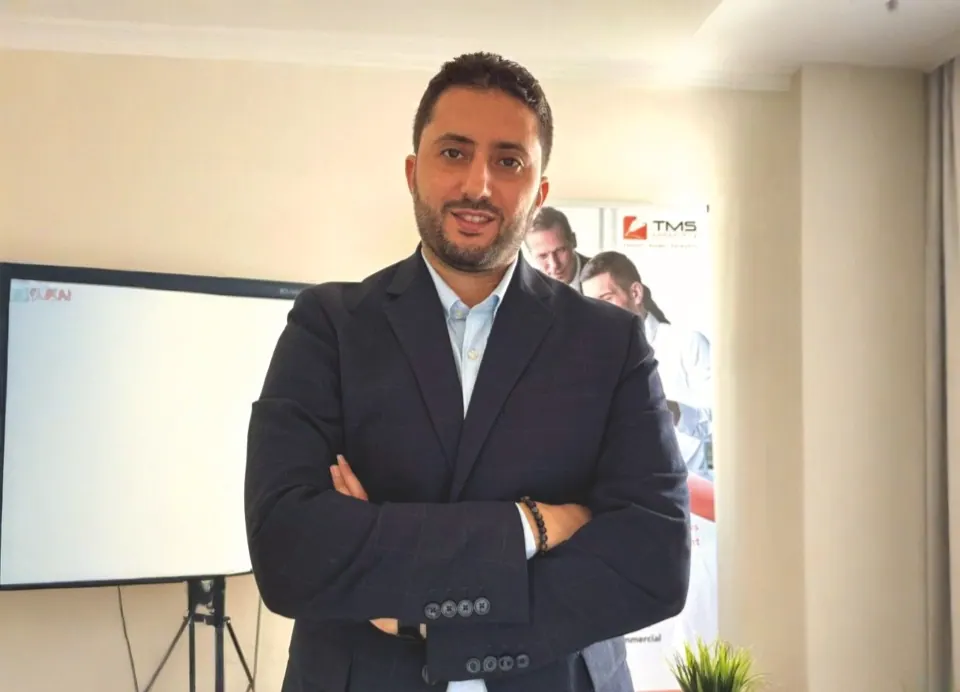
Despite having access to a wide range of support mechanisms, Moroccan small and medium-sized enterprises (SMEs) remain fragile. According to Anouar El Basrhiri, Director General of TMS Consulting, the issue is not the lack of support, but rather the ability of these mechanisms to address the specific needs of each enterprise. The Moroccan government has implemented various initiatives to support SMEs, including financing, guarantees, investment mechanisms, and digitalization programs.
The support ecosystem for SMEs in Morocco has never been more comprehensive. Various financing options, guarantees, investment mechanisms, and digitalization programs have been put in place to facilitate their development and enhance their competitiveness. However, a contradiction persists, as a significant portion of SMEs remain vulnerable, facing cash flow tensions, weak equity, payment delays, commercial difficulties, and insufficiently structured organizations.
El Basrhiri emphasizes that multiplying support mechanisms is not enough if the underlying causes of fragility are not addressed. He notes that a company may obtain financing, but its true problem may lie in its margins, organization, management, or lack of clients. In such cases, providing financial solutions does not necessarily address the root issue. It is essential to identify the specific needs of each enterprise and provide targeted support.
The issue of financing is not the only factor contributing to SME fragility. Weaknesses can arise from various factors, including insufficient equity, poor cash management, low margins, payment delays, and dependence on a few major clients. El Basrhiri stresses that financing remains a significant obstacle, but it is often only part of the problem. The risk is that financing may provide short-term relief without addressing the underlying issues.
To overcome these challenges, El Basrhiri advocates for a more tailored approach to supporting SMEs. This involves moving beyond uniform support and instead providing assistance that is adapted to the size and maturity level of each enterprise. SMEs at different stages of development require distinct types of support, and a one-size-fits-all approach is no longer sufficient.
As SMEs attempt to scale up, they often encounter significant challenges. El Basrhiri notes that creating a business and growing a business are two distinct endeavors. As companies grow, their founders must learn to delegate, recruit, structure functions, establish procedures, and manage their activities using indicators. This requires a different set of skills and support than those needed during the initial stages of business creation.
The Moroccan government has launched initiatives such as the Pact TPME 2026-2030 to support SMEs. El Basrhiri emphasizes that these efforts must be accompanied by a comprehensive approach that addresses the specific needs of each enterprise, including development, human resources, internal organization, financing, governance, and management. By providing targeted support, Morocco can help its SMEs become more robust and competitive.
Key points
- Moroccan SMEs require tailored support that addresses their specific needs and challenges.
- The support ecosystem for SMEs in Morocco must move beyond uniform support and focus on providing assistance adapted to the size and maturity level of each enterprise.
- Financing is only one aspect of SME development, and a comprehensive approach that includes development, human resources, and governance is necessary for long-term success.