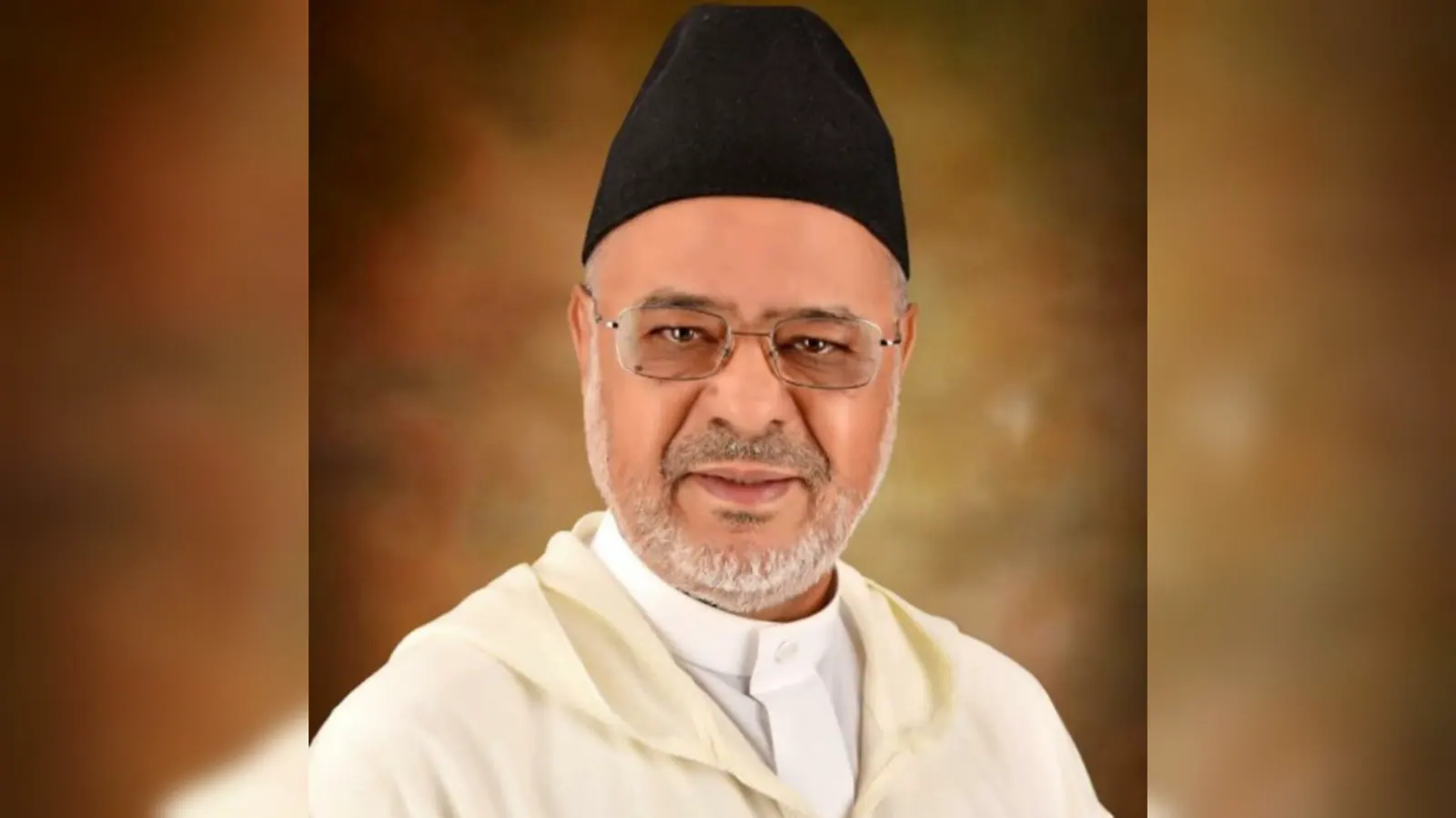
Moroccan intellectual Ahmad al-Raisouni has expressed concern over the low voter turnout in the 2026 elections. In a post on his Facebook page, al-Raisouni stated that the low turnout was not just a matter of voters punishing incumbent parties, but a more profound issue of disengagement with the electoral process. According to the Ministry of Interior, 15,801,162 voters were registered for the 2026 elections, out of a total of 27 million eligible voters.
Al-Raisouni noted that the number of registered voters who actually cast their ballots was even lower, with less than 6 million people voting. This represents a significant decline from the 8.79 million voters who participated in the 2021 elections. The scholar argued that this low turnout was not just a matter of voter apathy, but a sign of a deeper crisis in the country's democratic process. He also pointed out that over 11 million eligible voters had not even registered to vote.
The low voter turnout has sparked debate among politicians and analysts, with some calling for sanctions against those who did not vote. Al-Raisouni, however, argued that the issue was more complex than simply punishing non-voters. He suggested that the low turnout was a sign of a broader disillusionment with the electoral process and the country's politicians. The scholar also noted that many voters who did cast their ballots did so for personal reasons, such as friendship or family ties, rather than based on a candidate's qualifications or platform.
Al-Raisouni cited an example from the 1980s, when a young man with a university degree was elected to parliament in the city of Al-Qasr al-Kabir, largely due to the support of his friends and family. The scholar argued that this type of voting, based on personal connections rather than a candidate's merits, was a form of "travelling" that undermined the integrity of the electoral process.
The scholar also noted that many voters who did not vote were not necessarily opposed to the electoral process, but rather felt that it was not relevant to their lives. He argued that this sense of disconnection was a major challenge for Morocco's democracy and required a thorough evaluation and consideration. Al-Raisouni's comments have sparked a national debate about the state of Morocco's democracy and the need for electoral reform.
According to al-Raisouni, the low voter turnout was not just a matter of voter punishment, but a sign of a deeper crisis in the country's democratic process. He argued that the issue required a nuanced understanding of the complex factors driving voter disengagement. The scholar's comments have highlighted the need for a more informed and engaged citizenry in Morocco's democratic process.
Al-Raisouni concluded his post by citing a Quranic verse, emphasizing the importance of reflection and consideration in understanding the complexities of human behavior. His comments have sparked a national debate about the state of Morocco's democracy and the need for electoral reform. The issue of low voter turnout is likely to remain a major challenge for Morocco's democratic development in the years to come.
Key points
- Low voter turnout in 2026 elections sparks debate about Moroccan democracy.