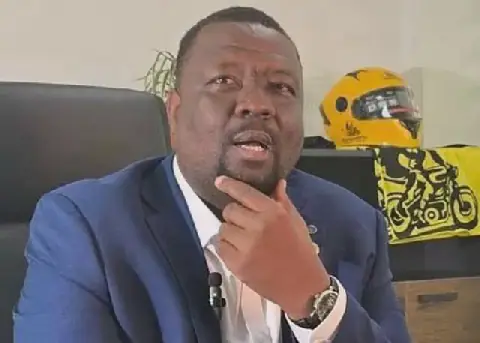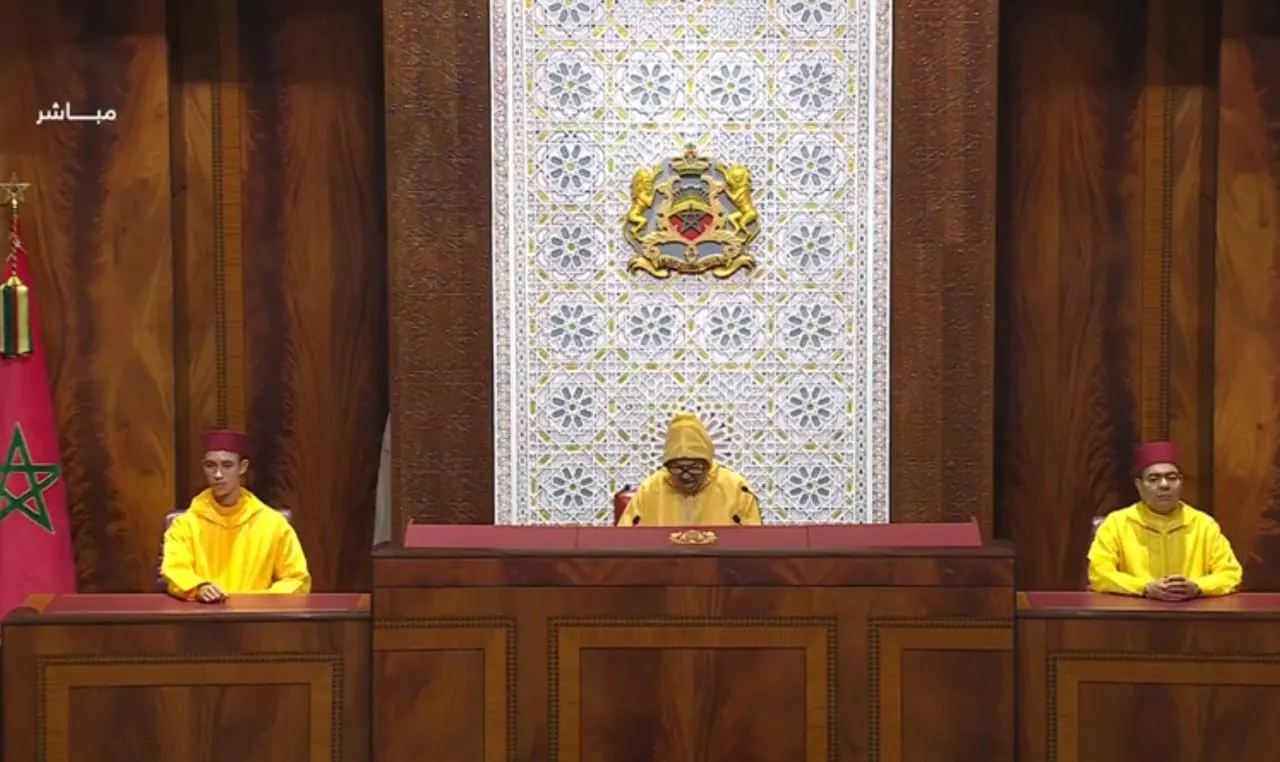
On October 9, 2026, King Mohammed VI delivered a significant speech to the Moroccan Parliament, marking the beginning of a new legislative term. The speech was seen as a pivotal moment, setting the tone for the country's future development. According to Idriss Kettami, head of the National Tax and Public Accounting Authority, the speech went beyond traditional political rhetoric, addressing the complexities of Morocco's current situation.
The speech highlighted the need for Morocco to transition from merely achieving economic growth to ensuring that this growth translates into tangible development and social justice. The King emphasized that true national strength is not measured solely by economic indicators or infrastructure projects but also by the equitable distribution of resources and opportunities among citizens.
A key aspect of the speech was the emphasis on national pride and identity. The King stressed that Moroccan identity is not just a historical or cultural heritage but a living, dynamic force that should guide the country's future. This sense of national pride is not merely a matter of nostalgia but a call to action, encouraging citizens to take responsibility for building a better future.
The speech also addressed the need for Morocco to adapt to a rapidly changing global landscape, characterized by shifting geopolitics, economic transformations, and increasing competition for resources and markets. In this context, the King called for the development of new strategies in areas such as water, energy, and food security, as well as industrial development, digital economy, and artificial intelligence.
The King's emphasis on water, energy, and food security reflects the pressing challenges facing Morocco, including the impact of climate change, fluctuations in international markets, and disruptions to supply chains. These areas are critical to ensuring the country's stability and prosperity, and the King's speech outlined a clear vision for addressing these challenges.
The speech has been seen as a call to action, urging Moroccans to move beyond mere patriotism to a more practical, engaged sense of national responsibility. This involves not only celebrating Morocco's achievements but also acknowledging its shortcomings and working to address them. The King's message was clear: the country's future depends on the collective efforts of its citizens.
The speech has been welcomed by many as a roadmap for Morocco's future development, outlining priorities and challenges that the country must address. As the country moves forward, it will be crucial to translate the King's vision into concrete actions, ensuring that Morocco achieves its full potential and provides a better future for its citizens.
Key points
- The King's speech emphasized the need for balanced economic growth, social justice, and a renewed sense of national pride.
- Morocco must adapt to a rapidly changing global landscape, characterized by shifting geopolitics, economic transformations, and increasing competition for resources and markets.
- The speech outlined a clear vision for addressing pressing challenges facing Morocco, including water, energy, and food security.